
Unbiased headlines. Facts, not spin.
Every story is an unbiased news briefing written from 110+ sources across the spectrum — sources linked so you can verify it yourself.
 health
Major Story (8/10)
July 9, 2026 at 10:04 PM
health
Major Story (8/10)
July 9, 2026 at 10:04 PM
Venezuela Earthquake Aftermath: Diarrheal Disease, Chronic Illness Surge as 17,000 Remain Displaced Two Weeks Out
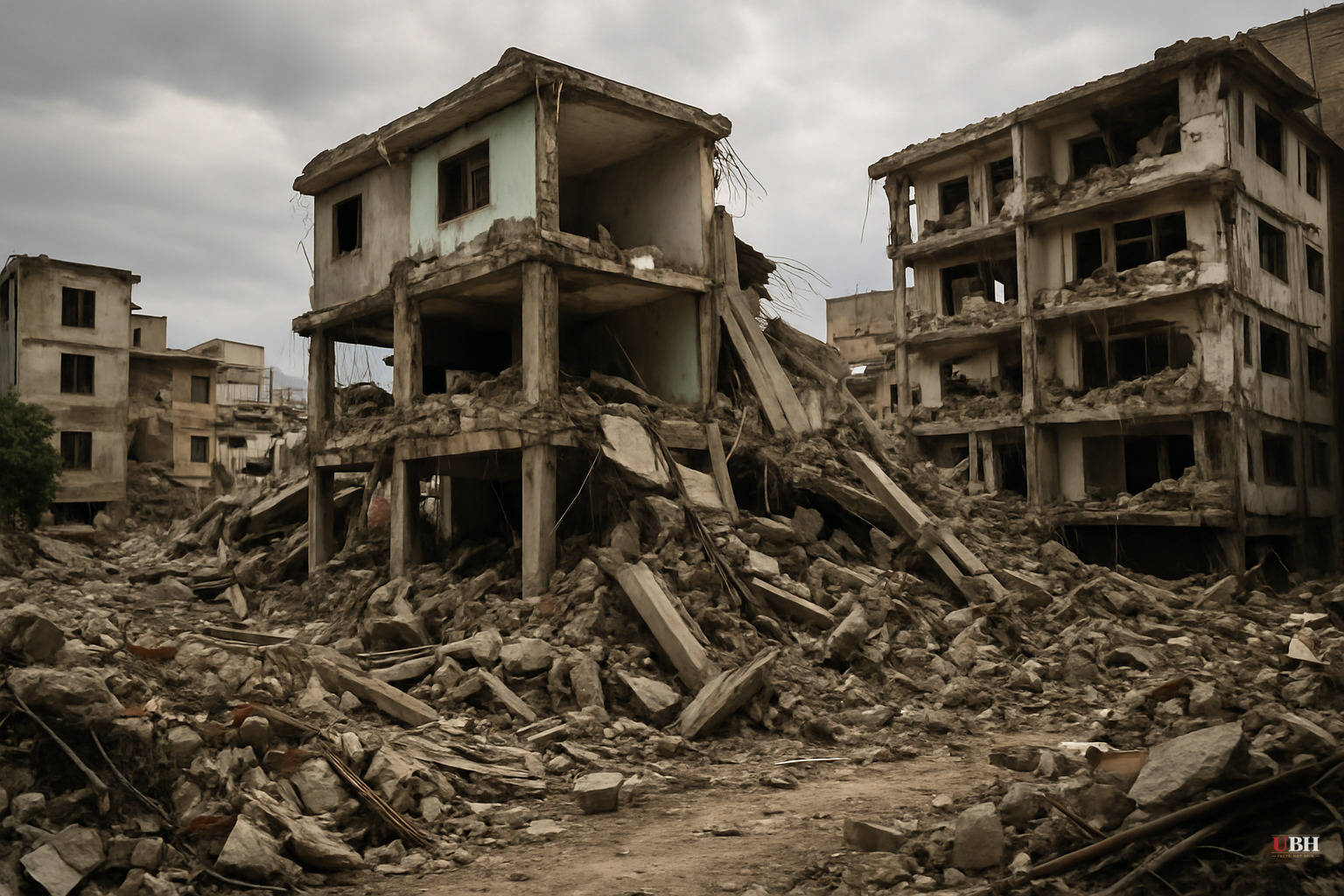
Since the June 24 twin earthquakes struck northern Venezuela, killing 3,811 people and injuring 16,740, the disaster has moved through its acute phase into a slow-building medical crisis driven by crowded shelters, broken sanitation, and a healthcare system that was already failing before the first tremor hit.
As of July 8, the figures from Venezuelan authorities cited by the Pan American Health Organization (PAHO) show 3,811 confirmed deaths and more than 6,400 people rescued alive. More than 17,000 remain displaced across 87 temporary sites, including schools, parks, sidewalks, and plazas, according to PAHO Director Dr. Jarbas Barbosa, who addressed a press briefing on July 9.
The Medical Threat Is No Longer Broken Bones
Doctors in La Guaira state's Catia La Mar community reported Thursday a surge in skin conditions and diarrheal diseases, along with a spike in requests for medications to manage chronic conditions like diabetes and high blood pressure, according to the Associated Press. These are diseases of displacement: crowded living, compromised water, failed sanitation.
U.N. relief chief Tom Fletcher, who visited Venezuela this week, told AP directly: "People are turning up because they haven't been able to get their other treatments. They're not turning up with just the fractures now, they're turning up with those longer-term health needs."
Eugenio Cova, head of the trauma unit at Hospital del Oeste Dr. José Gregorio Hernández in Caracas, put it plainly to AP: "The issue we foresee just around the corner is the infections that patients who have been exposed to the disaster for the longest time might bring. We've already gone through a period of complex trauma — which will continue to occur — but now it's complicated by infections."
Veronique Durroux, the U.N. humanitarian agency spokesperson for Latin America and the Caribbean, flagged vector-borne disease risk. "It's very hot and there's a lot of concern about potential vector-borne diseases," she told AP. "Waste management is an issue. Debris management, when you see the scale of devastation, it's very concerning."
What's on the Ground
Twelve Emergency Medical Teams are currently operational in affected areas, supported by PAHO, handling emergency care, surgery, primary health care, and mental health services. PAHO has delivered six metric tons of emergency medical supplies from its Emergency Strategic Reserve in Panama and has facilitated vaccination efforts to prevent further outbreaks.
Mobile kitchens, clinics, and field hospitals are now operating in public spaces across La Guaira. Local organizations like Paluz, operating in partnership with the International Rescue Committee, are among those delivering frontline care. Hospitals are still functioning, according to PAHO, but are dealing with structural damage, limited surgical and diagnostic capacity, and growing backlogs.
The U.S. military had 900 personnel on the ground as of last Wednesday, according to Steven McLoud, a U.S. Southern Command spokesperson. The military repaired an earthquake-damaged runway at Venezuela's main international airport near Caracas to enable humanitarian supply flights and stationed naval assets offshore. An additional 100 State Department personnel have been deployed to support those efforts, McLoud confirmed to AP.
The Money Gap
The United Nations launched a $300 million appeal to assist 1.3 million people in urgent need. The Trump administration has committed $300 million in assistance channeled through aid groups and the U.N. Satellite analysis by the U.N. Development Program estimates material losses from the earthquakes above $6.7 billion.
Fifty international search-and-rescue teams have arrived from countries including Ecuador and Israel — neither of which maintains diplomatic relations with Venezuela — a sign of how broadly the international community has mobilized despite Caracas's political isolation.
The Deeper Problem Underneath the Earthquake
The Maduro administration has been coordinating with international relief organizations and, according to official figures, estimates roughly 18,000 people lost their homes, with 190 buildings collapsed and 856 damaged. The government has not obstructed the international response, and nongovernmental organizations — which until recently faced state repression under the Maduro government — are now operating openly in affected areas alongside U.N. agencies.
The pre-existing conditions remain significant. AP reported that the crowded conditions and poor sanitation driving the disease surge "in many communities predate the earthquakes." Venezuela's chronic shortage of doctors, the result of years of economic collapse, healthcare underfunding, and emigration, was already a crisis before June 24. The earthquakes didn't create the fragile health system; they exposed it.
What Comes Next
PAHO's Dr. Barbosa framed the current moment clearly: the response has shifted from acute emergency to "stabilization, continuity of care and early recovery." The unresolved question is whether the funding and coordination hold long enough to prevent the secondary death toll from infection, untreated chronic disease, and vector-borne illness from rivaling the earthquake's direct toll. PAHO says hospitals face growing surgical backlogs with limited diagnostic capacity, and the 17,000 displaced people remain in conditions where preventable diseases spread fast.
Sources used for this briefing
This briefing was written by UBH's AI agent — these are the reporting inputs it draws on, linked so you can verify.


