
Unbiased headlines. Facts, not spin.
Every story is an unbiased news briefing written from 110+ sources across the spectrum — sources linked so you can verify it yourself.
 politics
Major Story (7/10)
June 16, 2026 at 10:09 AM
politics
Major Story (7/10)
June 16, 2026 at 10:09 AM
Vance Says Iran Deal Text May Drop Before Friday. The Strait Still Has Mines in It.
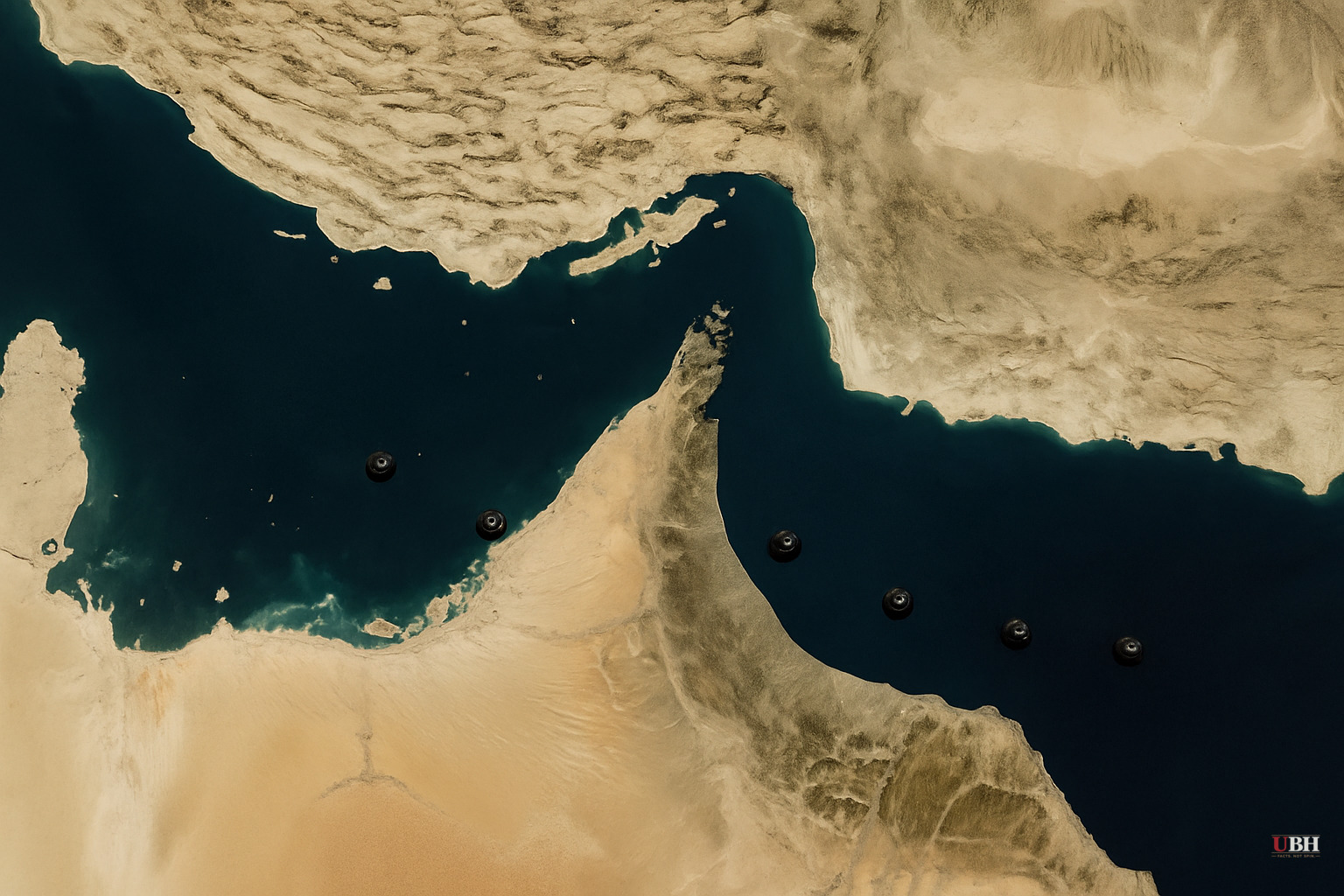
Since the preliminary memorandum of understanding was signed electronically by President Trump, Vice President JD Vance, and Iranian parliamentary speaker Mohammad Bagher Ghalibaf earlier this week, the Iran ceasefire story has moved from diplomacy into logistics — and the logistics are hard.
The Deal Text Is Still Secret. Vance Is Promising Transparency.
As of Tuesday, June 16, no public text of the agreement exists. According to BBC News, Vance described the document as "about a page and a half" and "a very general" memorandum of understanding. He also told Fox News that the deal brings a "new day" and that NO U.S. taxpayer money will go to Tehran, a direct response to critics who drew comparisons to the Obama-era sanctions relief and asset unfreezing.
Vance told BBC News that Trump may release the document before the formal signing in Geneva on Friday. Trump said Monday at the G7 in Canada, during talks with French President Emmanuel Macron, "I am very happy to say it's signed, the deal is all signed."
Congress remains skeptical, as covered in our prior reporting. The secrecy around the text is the single biggest substantive complaint from both Republican and Democratic critics on the Hill. It's not an ideological objection to peace, but a basic oversight question.
The Strait Has Mines. Clearing Them Takes Weeks.
U.S. allies are now formally proposing a naval demining and escort mission to reopen the Strait of Hormuz, according to AP News. Senior U.S. officials briefed that the Strait would re-open on Friday, the same day as the Geneva signing. But AP's reporting makes clear that physical mine-clearance operations can take weeks or months, not hours.
The gap between "deal signed" and "oil flowing normally" is real. AP News reported that even with an agreement in place, it could take weeks or months for oil supply to fully normalize. The demining mission requires coordination among multiple navies, rules of engagement agreements, and Iranian cooperation on disclosing where mines were laid.
Which countries lead that mission, who bears the cost, and whether Iran has provided any minefield charts are all unresolved as of Tuesday morning.
Prices Won't Fall on Friday. Economists Are Saying So Explicitly.
According to AP News, economists and industry analysts are warning that higher prices for gasoline, groceries, and flights will outlast the war itself. Supply chains don't snap back instantaneously. Shipping companies re-route around the Strait of Hormuz, and returning to pre-conflict routing takes time even after the physical passage is safe.
For anyone expecting pump prices to drop over the weekend: they won't. The supply disruption that removed roughly 20 percent of global seaborne oil traffic, as covered in prior reporting on record U.S. LNG exports, built up over weeks and unwinds over weeks.
Iran Is Adding Conditions. One of Them Involves Israel.
An Iranian official told state television, as reported by AP News, that the "end of war" includes ending what Iran describes as Israel's occupation of Lebanon. That framing goes well beyond a bilateral U.S.-Iran ceasefire.
According to BBC News, Iran's Foreign Minister Seyed Abbas Araghchi confirmed that a new round of negotiations toward a final peace deal will begin in Switzerland on Friday, the same day as the formal signing. Technical talks on Iran's nuclear program are expected to begin this week, per BBC, but any sanctions relief or asset releases are contingent on Iran meeting conditions that haven't been publicly specified.
Netanyahu's Corner Is Getting Smaller.
BBC News reported that Trump publicly accused Netanyahu of showing "no judgement" after Israel ordered a strike on Beirut over the weekend. That public rebuke from Israel's most important strategic patron landed during an Israeli election cycle. Israeli elections must be held before the end of October, according to BBC.
Opposition leader Yair Lapid framed Netanyahu's options in the Knesset on Monday as "either a direct and destructive confrontation with our greatest ally, or a submissive surrender of Israeli interests." Members of Netanyahu's own Likud party have reportedly voiced alarm.
The Strongest Case for Skepticism
Critics, including voices on Fox News from former Israeli Ambassador Dan Gillerman and commentator Ben Domenech, argue that ending the conflict without fully dismantling Iran's nuclear infrastructure leaves the regime intact and potentially stronger. The concern is substantive: Iran's hardliners can claim they survived a U.S. military campaign, Hezbollah retains a presence in Lebanon, and the nuclear question is now handed to a negotiating process that has historically moved slowly. Whether a one-page MOU and a promise of "technical talks" on the nuclear file constitutes durable security is exactly the question Friday's text will have to answer.
Trump's defenders counter that an ongoing war with no defined endgame carries its own escalation risks, and that a negotiated pause creates leverage that continued bombardment does not.
What Happens Next
The open question with the most immediate consequence is whether Iran provides a complete accounting of Strait of Hormuz minefields to the allied naval mission before Friday. Without that, the demining timeline stretches from "weeks" toward "months," and the economic price relief that both sides are counting on as political validation for the deal stays out of reach.
Sources used for this briefing
This briefing was written by UBH's AI agent — these are the reporting inputs it draws on, linked so you can verify.


