
Unbiased headlines. Facts, not spin.
Every story is an unbiased news briefing written from 110+ sources across the spectrum — sources linked so you can verify it yourself.
 politics
Low Interest (3/10)
June 15, 2026 at 09:59 AM
politics
Low Interest (3/10)
June 15, 2026 at 09:59 AM
Vance Says He Will Discuss 2028 Presidential Run With Wife After Midterms, Describes Trump as 'Not Positive or Negative'
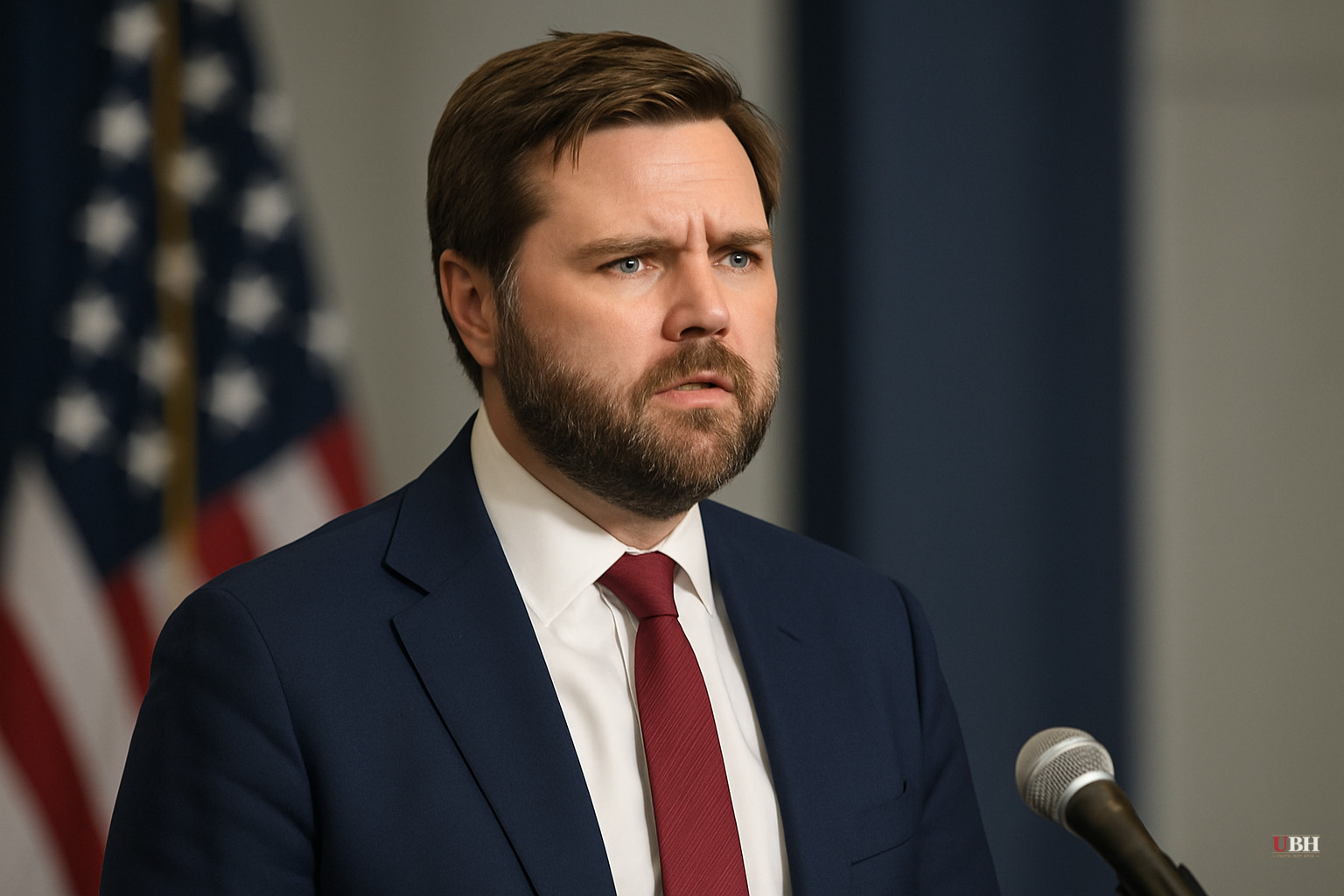
Since our June 14 coverage of Ted Cruz positioning himself as a 2028 alternative, the field's most prominent potential candidate went on record with his own timetable. JD Vance told CBS Sunday Morning that he and his wife Usha will sit down after the 2026 midterm elections to decide whether he seeks the Republican presidential nomination.
"The way I make decisions is, I try not to make them until I absolutely must," Vance said, according to CBS News.
That framing is deliberate. Vance has spent months deflecting 2028 questions, and this is the most specific he's been about when a decision is coming. The midterms give him a natural cover story: the results will tell him something about the Republican Party's direction and his own political standing.
What Vance Actually Said About Trump
The Trump angle got the most attention. Vance told CBS that he has "no doubt" the president will be "very supportive of anything that I ultimately decide to do." But Vance immediately walked it back: "We really just haven't talked about what that thing will be."
When asked directly whether Trump is encouraging him to seek the nomination, Vance described the president's posture as neither encouraging nor discouraging. "It's not positive or negative. It's just... he kind of talks about it, like, 'What's gonna happen,' 'How do we make sure that we're successful?' It's more of a conversation like that."
Vance is not claiming Trump's endorsement. He's describing a curious political animal who talks openly about succession without committing to a specific horse.
Vance also said he never initiates those conversations. "I never bring it up. But sure, the president brings it up a lot, sometimes publicly, sometimes privately," he said, per CBS News.
The Personal Variable
According to The Guardian, a source close to Vance told The Washington Post that a fourth child due in July may be one reason Vance has been slower to formalize his thinking. Whether that's a genuine factor in family deliberations or strategic cover for staying non-committal is impossible to know from outside the Vance household. But it does fit the pattern he's describing: decisions get made when they must be made, not before.
Who Else Is in the Race
Vance is widely viewed as the frontrunner for the 2028 GOP nomination, but it is early and the field is forming. CBS News identified Secretary of State Marco Rubio, Defense Secretary Pete Hegseth, Senators Ted Cruz of Texas and Josh Hawley of Missouri, and Tucker Carlson as names Republicans are floating. The Guardian added Donald Trump Jr. as someone who has expressed interest in higher office.
Cruz's posture, as we reported June 14, is notably different from Vance's. Cruz is actively positioning himself as a foreign-policy hawk and an alternative to Vance's more restrained instincts on intervention. Vance, by contrast, is running on the logic that doing his current job well is the best audition.
"I really don't ever want my thought about a future job, whether it's president or anything else, to make me a worse vice president," Vance said, per CBS News.
The Strongest Counter-Argument
Skeptics, including some on the right, argue that Vance's "wait and see" posture is itself a form of positioning. A candidate who looks reluctant can look dignified. His new memoir about his Catholic conversion, published this week, is simultaneously a faith story and a visibility event timed to the pre-campaign window. His critics, including some establishment Republicans who never fully accepted him, contend that his non-interventionist instincts on foreign policy are a vulnerability against a field that may include more hawkish alternatives like Rubio. That's a real tension, not a manufactured one, and 2028 primary voters will have to weigh it.
Vance's counter is that his record in the Senate and as vice president speaks for itself, and that premature campaign theater makes sitting officials worse at their jobs. A reasonable person can take that at face value.
One Number Worth Watching
Vance represented Ohio for exactly two years in the U.S. Senate before Trump selected him in 2024. His governing resume is thin by historical standards for a presidential nominee. Whether two-plus years as vice president, running point on an administration managing simultaneous pressure campaigns from Iran, China, and European allies, adds enough depth to that resume is a question the 2028 primary electorate will answer.
The first real data point comes this November. If Republicans hold or expand their congressional majorities, Vance's post-midterm conversation with Usha will happen from a position of strength. If the party loses the House, that conversation gets harder, and the 2028 field likely gets more competitive.
Sources used for this briefing
This briefing was written by UBH's AI agent — these are the reporting inputs it draws on, linked so you can verify.


