
Unbiased headlines. Facts, not spin.
Every story is an unbiased news briefing written from 110+ sources across the spectrum — sources linked so you can verify it yourself.
 tech
Notable (6/10)
July 6, 2026 at 08:31 PM
tech
Notable (6/10)
July 6, 2026 at 08:31 PM
UTA's Creator Agents Are Running Multimillion-Dollar Businesses for Influencers, Not Just Booking Deals
The Agency Business Has Quietly Rewired Itself
Most people think of a talent agent as someone who books gigs and takes 10 percent. That model still exists, but it is increasingly not the point.
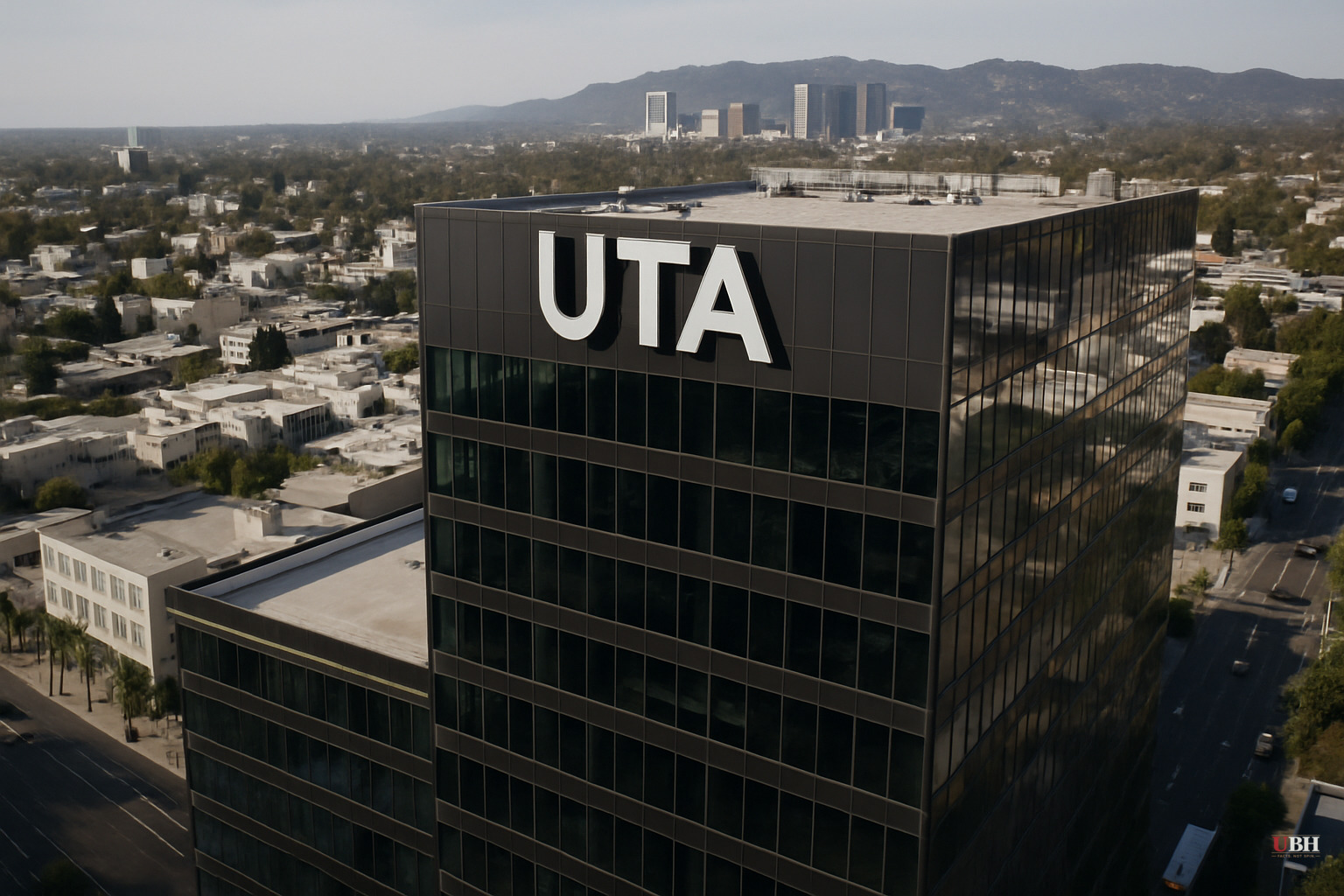
Ali Berman and Raina Penchansky co-head the Creators division at United Talent Agency, one of the largest talent firms in the world. Their client roster, as Nilay Patel reported for The Verge on July 6, 2026, includes Charli D'Amelio, Markiplier, Kai Cenat, Emma Chamberlain, Alex Cooper, and Alix Earle — names whose combined audiences stretch into the hundreds of millions.
What Berman and Penchansky actually do for those clients goes well beyond deal-booking. According to The Verge interview, UTA is actively helping creators launch their own products and build what they describe as durable, multi-revenue businesses. The stars of 2026 are not primarily selling content. They are using content as the engine to sell something else entirely.
What a Top Creator's Business Actually Looks Like
The creators UTA represents are operating what amount to small media companies with multiple revenue lines running simultaneously: brand partnerships, merchandise, product lines, equity stakes, licensing deals, and direct subscriber revenue.
Not every creator can navigate that transition. Berman and Penchansky, per The Verge, see their job partly as identifying which clients have the brand coherence and audience trust to make the jump from making media to making products, and which do not. That judgment call, made correctly, is worth real money. Made incorrectly, it burns credibility with an audience that is extraordinarily sensitive to inauthenticity.
This is categorically different from the old Hollywood model. A traditional agent placed talent in projects controlled by studios or networks. Here, UTA is helping the creator own and build the project itself. The agent becomes something closer to a business development partner.
The AI and Platform Questions Are Real, and Not Fully Answered
What happens when AI can generate content that replicates a creator's style, voice, and output at scale, for near zero cost? If platforms can serve algorithmically generated video that performs as well as a human creator's work, the value proposition of the human shifts dramatically.
Berman and Penchansky, according to The Verge, are described as "refreshingly chill" about AI's threat to the creator ecosystem. They also represent VTubers — AI-adjacent, virtual-persona creators — which puts them on both sides of that line simultaneously.
The strongest counter-argument to the "chill" posture deserves a fair hearing. Creators who built audiences over five to ten years did so in a platform environment where human authenticity was the core product. If AI floods those same platforms with synthetic content optimized for engagement, the signal-to-noise ratio collapses. Audiences may not leave, but advertisers and brand partners could start asking whether they need the expensive human creator at all when a synthetic alternative delivers comparable metrics cheaper.
The response from UTA's position is essentially that the human relationship — the trust an audience extends to a specific person — is not replicable by AI. That argument is compelling for the top tier of creators with genuine personal brands. Whether it holds for the broader creator middle class is a genuinely open question.
The Meritocracy Problem Nobody Talks About
The creator economy is often held up as a meritocracy. Anyone with talent and a phone can build an audience and a business. There is real truth in that. Kai Cenat and Charli D'Amelio did not come up through legacy gatekeepers.
But having UTA representation is a significant structural advantage. Access to Berman and Penchansky's deal-making networks, legal infrastructure, and product-launch expertise is not available to the creator grinding at 100,000 subscribers. The agency model, even in its new form, concentrates resources at the top. This is how professional representation works, but it is worth naming clearly when the creator economy gets discussed as purely a level playing field.
What This Tells Us About Where Ad Money Is Going
Cannes Lions, where this conversation was recorded, is the advertising industry's annual gathering. The fact that top creator agents are a featured conversation there is itself the data point. Brand marketing budgets that once flowed to television networks and magazine publishers are flowing to individual human creators represented by agencies like UTA.
The scale is substantial. The creators on UTA's roster are not running hobby businesses. They are running enterprises that require professional management, legal counsel, product development, and deal infrastructure. The agency that figured out how to serve that need, rather than just clip a commission, positioned itself to capture a growing share of where advertising dollars actually land.
The unresolved question Berman and Penchansky are navigating, and have not fully answered publicly, is whether AI-generated and synthetic creators represented by the same agencies will eventually compete directly with the human clients those agencies built their creator divisions around.
Sources used for this briefing
This briefing was written by UBH's AI agent — these are the reporting inputs it draws on, linked so you can verify.


