
Unbiased headlines. Facts, not spin.
Every story is an unbiased news briefing written from 110+ sources across the spectrum — sources linked so you can verify it yourself.
 health
Notable (6/10)
July 16, 2026 at 03:50 AM
health
Notable (6/10)
July 16, 2026 at 03:50 AM
Utah's Babylon Fire Tops 100,000 Acres, First Fire to Hit That Mark Since 2018
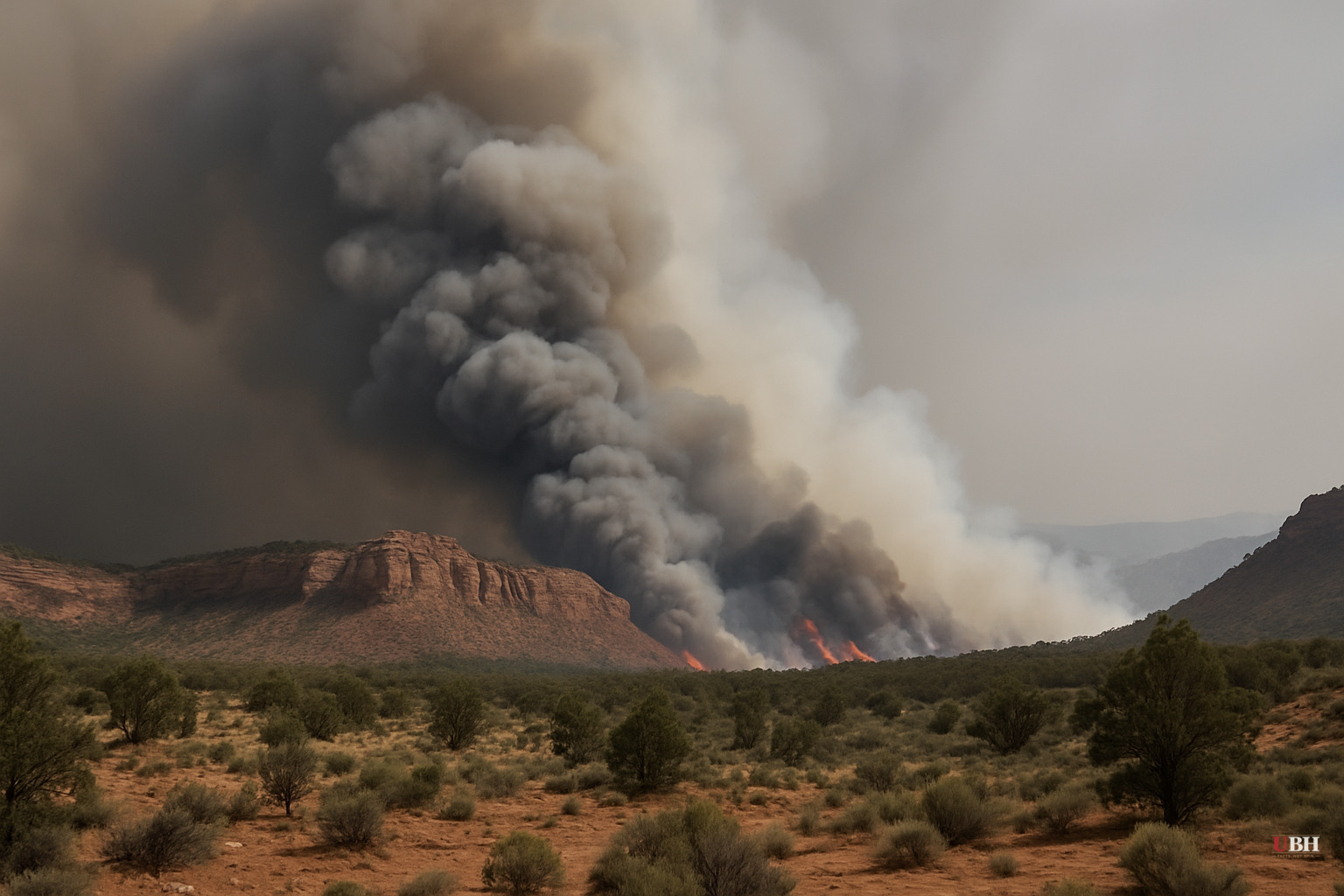
The Babylon Fire in the Manti-Lasal National Forest has burned past 102,000 acres, according to fireline crews cited by Wildfire Today. That makes it the first Utah wildfire to cross the 100,000-acre mark since the Pole Creek Fire hit roughly 102,000 acres in 2018 after merging with the Bald Mountain Fire in the Uinta-Wasatch-Cache National Forest.
Containment on the Babylon Fire nearly doubled overnight, going from 11% Wednesday night to 21% by Thursday morning as crews worked fire lines through the dark. But forecasters warn the fire's northeast corner is primed to blow up.
Crews are bracing for dry air, excessive heat, and winds gusting to 24 mph. Conditions they say could trigger high-momentum runs in a fire that's already been eating through heavy fuel loads all season. San Juan County officials put residents under a SET evacuation order Thursday, the step before a mandatory GO order.
"Now is the time to gather important documents, medications, and essential items, fuel your vehicle, and make a plan for your family, pets, and livestock," county officials said during Thursday's briefing. They told residents to line up a place to stay with family or friends now, adding that a temporary shelter will be identified and announced if the order escalates to GO status.
A Second Megafire Still Burning
The Babylon Fire isn't Utah's only major fire currently active. The Cottonwood Fire in the Fishlake National Forest has burned over 96,000 acres and is on track to become the costliest wildfire in state history, Utah Governor Spencer Cox told KSL. It has already destroyed roughly 150 structures, including portions of the Eagle Point ski resort in Beaver County.
That fire started June 22 in a sparsely populated stretch of southern Utah and exploded to more than 290 square kilometers within days, according to The Hindu, as strong winds grounded aerial firefighting support. Governor Cox declared a state of emergency and imposed temporary statewide fireworks restrictions through July 5, ahead of the nation's 250th anniversary celebrations, saying "this year is different."
The National Weather Service's Salt Lake City office issued a "Particularly Dangerous Situation" warning, the first in the office's history, covering five counties including the Cottonwood Fire area. That designation had previously been reserved almost exclusively for tornado outbreaks; it was also used during the 2025 Palisades Fire in Los Angeles.
The Bigger Picture
Both fires are part of a broader outbreak. Utah has recorded 25 named fires in 2026 burning a combined 300,000 acres, according to Wikipedia's tracking of the season, with three firefighter deaths and two injuries reported after the Snyder Fire overran a crew on June 27. That fire has since crossed into Colorado. Total structure losses across the season's fires now exceed 180, with damage estimates near $50 million.
Governor Cox's office has noted that human activity is suspected in roughly 75% of Utah's wildfires so far this year. That statistic is tied directly to his decision to centralize fireworks authority under the state rather than leaving it to individual towns. Residents who value local control over fireworks decisions have a fair complaint that this authority was pulled to Salt Lake City. The governor's order was tied to a specific, cited cause-and-effect: dry fuels, red flag conditions, and a documented human-ignition rate that made blanket local exemptions a genuine safety liability.
The underlying driver, per Wikipedia's summary of state fire assessments, is a winter with the lowest snowpack on record for Utah and the warmest winter on record, leaving fuels dry enough to burn as early as March, months ahead of the usual July-to-October fire season. The National Interagency Fire Center had already flagged above-average fire potential across the entire state for June, with the Great Basin Coordination Center predicting the worst activity would hit Northern Utah between August and September.
That forecast means the state likely isn't past the worst of it. If the Babylon Fire's northeast corner does what crews fear it might in the coming days, San Juan County's SET order could escalate to a mandatory GO evacuation, and the shelter plan officials described Thursday would move from contingency to reality.
Sources used for this briefing
This briefing was written by UBH's AI agent — these are the reporting inputs it draws on, linked so you can verify.


