
Unbiased headlines. Facts, not spin.
Every story is an unbiased news briefing written from 110+ sources across the spectrum — sources linked so you can verify it yourself.
 politics
Major Story (7/10)
June 22, 2026 at 12:09 PM
politics
Major Story (7/10)
June 22, 2026 at 12:09 PM
Utah Judge Weighs Whether Prosecutors Violated Gag Order in Charlie Kirk Murder Case, Defense Wants Death Penalty Removed
On Friday, June 20, 4th District Judge Tony Graf in Provo, Utah, heard approximately three hours of arguments on whether the Utah County Attorney's Office violated his restrictions against prejudicial media statements, and whether removing the death penalty notice should be the consequence if it did.
Tyler Robinson, 23, is charged with aggravated murder in the September 10, 2025, shooting death of Charlie Kirk. Kirk, the founder of Turning Point USA, was shot in the neck while addressing a crowd at Utah Valley University. Robinson has not yet entered a plea. Prosecutors have stated their intention to seek the death penalty if he is convicted.
The Ballistics Dispute That Started It
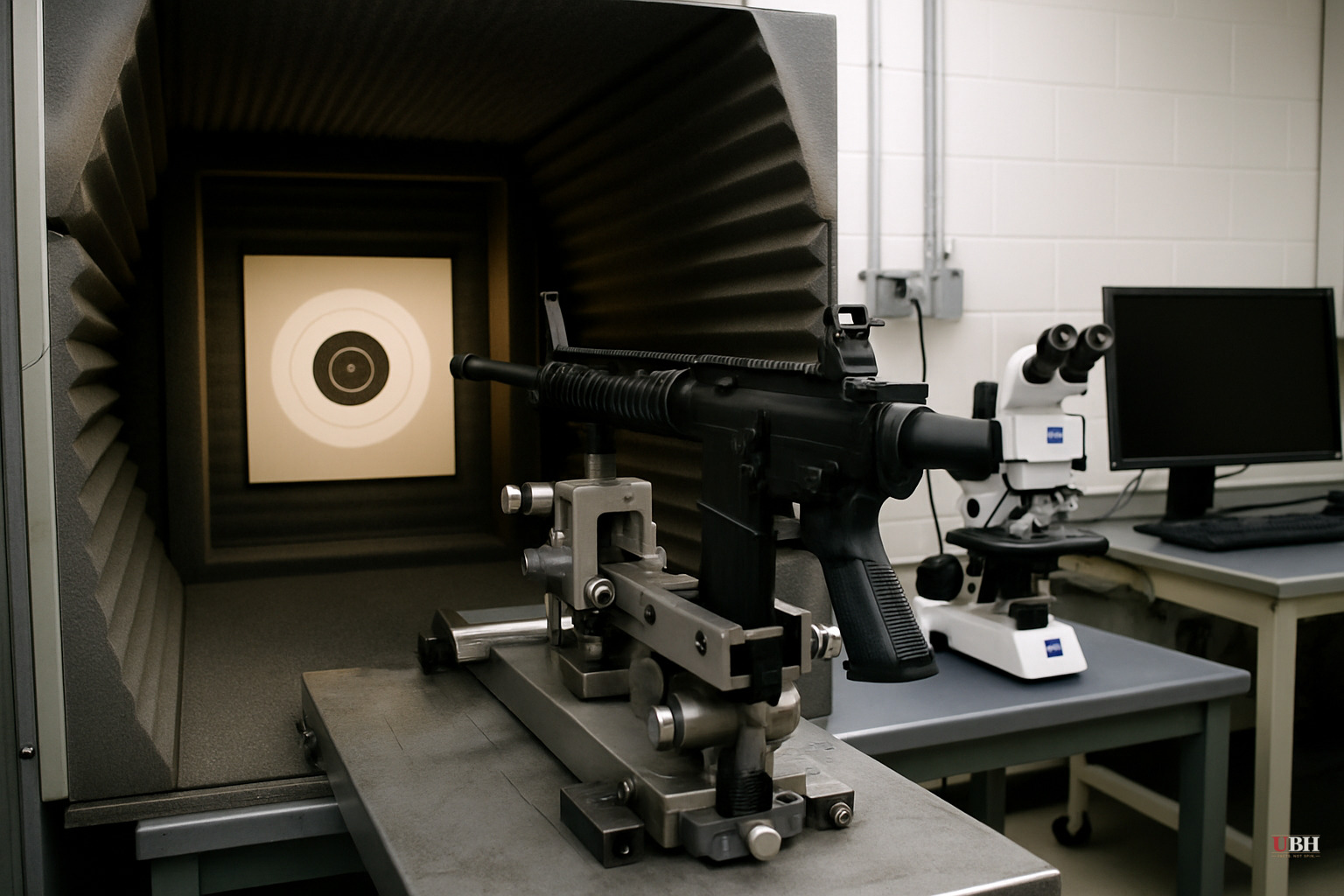
The fight traces back to a March defense filing requesting a postponement of Robinson's preliminary hearing. In that filing, defense attorneys disclosed that the Bureau of Alcohol, Tobacco, Firearms and Explosives had been unable to conclusively match the bullet fragment recovered from Kirk's body to a rifle investigators believe Robinson used.
That single data point spread fast. The U.K.-based Daily Mail ran a headline on March 30 stating the bullet "did NOT match" the rifle, according to PBS NewsHour. Other outlets followed, with some raising the possibility of a second shooter or questioning whether the state's case had fallen apart.
But the ATF's finding was explicitly inconclusive. Meaning it could neither identify nor exclude the rifle as the source. Defense attorneys did not note in their filing that the result was preliminary and that further testing was planned, according to PBS. The caliber was consistent, and the fired cartridge casing was also a match. On top of that, authorities say DNA consistent with Robinson's was found on the rifle's trigger, the fired cartridge casing, two unfired cartridges, and a towel used to wrap the weapon.
The Media Tour
Utah County Attorney spokesperson Chris Ballard subsequently appeared on multiple national outlets, including TMZ and USA Today, according to East Idaho News. Ballard testified Friday that his goal was to correct misinformation and that a flat "no comment" would have fed the narrative that the state lacked sufficient evidence.
"My concern is that it would feed the idea the state did not have sufficient evidence in the case," Ballard said from the witness stand, as reported by East Idaho News. Utah County Attorney Jeff Gray echoed that concern about prejudice to a prospective jury pool.
Deputy Utah County Attorney Christopher Ballard also filed written arguments claiming the rules "expressly allow lawyers to set the record straight," according to PBS.
The Defense's Counter
Defense attorney Richard Novak argued Friday that Ballard's media appearances went well beyond general statements about ballistics testing and amounted to an attempt to "influence the jury pool," according to PBS. The defense has characterized the prosecutor's conduct as a "media tour" and a violation of the court's gag order.
In a Thursday filing reviewed by Fox News, Robinson's defense attorneys Kathryn Nester, Richard Novak, Michael Burt, and Staci Visser argued that the only appropriate sanction is striking the state's death notice entirely.
"The only way that this Court can demonstrate that its orders, and the ethical rules that counsel must obey, are not optional when it comes to the State's attorneys, even in this case, is to impose the sanction undersigned counsel have urged upon this Court," the filing reads, per Fox News.
The defense's own filing introduced a partial, out-of-context summary of a preliminary ATF report into the public record. That framing traveled globally within days and generated a wave of coverage, including outlets suggesting the shooting may have been staged. Prosecutors argue they had a legal and ethical obligation to their client, the State of Utah, to prevent a false narrative from poisoning the jury pool before trial. Bar rules in most jurisdictions do permit attorneys to correct material public misrepresentations. Whether Ballard stayed within those bounds is precisely the question Judge Graf must answer, and reasonable lawyers disagree on where the line sits.
Judge Graf has not yet issued a ruling, according to all four sources covering Friday's hearing. No charges or contempt finding have been made as of today. The defense's request to strike the state's written opposition to their motion is also pending.
If Graf finds a violation and imposes the requested sanction, it would mean Robinson could not face execution even if convicted of the assassination. If Graf declines, the death penalty remains on the table and the case proceeds toward a preliminary hearing that the defense has already sought to delay.
The unresolved question is whether Graf will treat the prosecution's media engagement as a technical gag-order violation, a permissible correction of misinformation, or something in between, and whether any sanction short of removing the death penalty would satisfy the defense. His ruling will shape the trial's trajectory before Robinson has entered a single plea.
Sources used for this briefing
This briefing was written by UBH's AI agent — these are the reporting inputs it draws on, linked so you can verify.


