
Unbiased headlines. Facts, not spin.
Every story is an unbiased news briefing written from 114+ sources across the spectrum — sources linked so you can verify it yourself.
 politics
Major Story (8/10)
Event date: July 25, 2026
politics
Major Story (8/10)
Event date: July 25, 2026
USPS Publishes Final Mail-In Ballot Rule While Courts Still Block It Nationwide
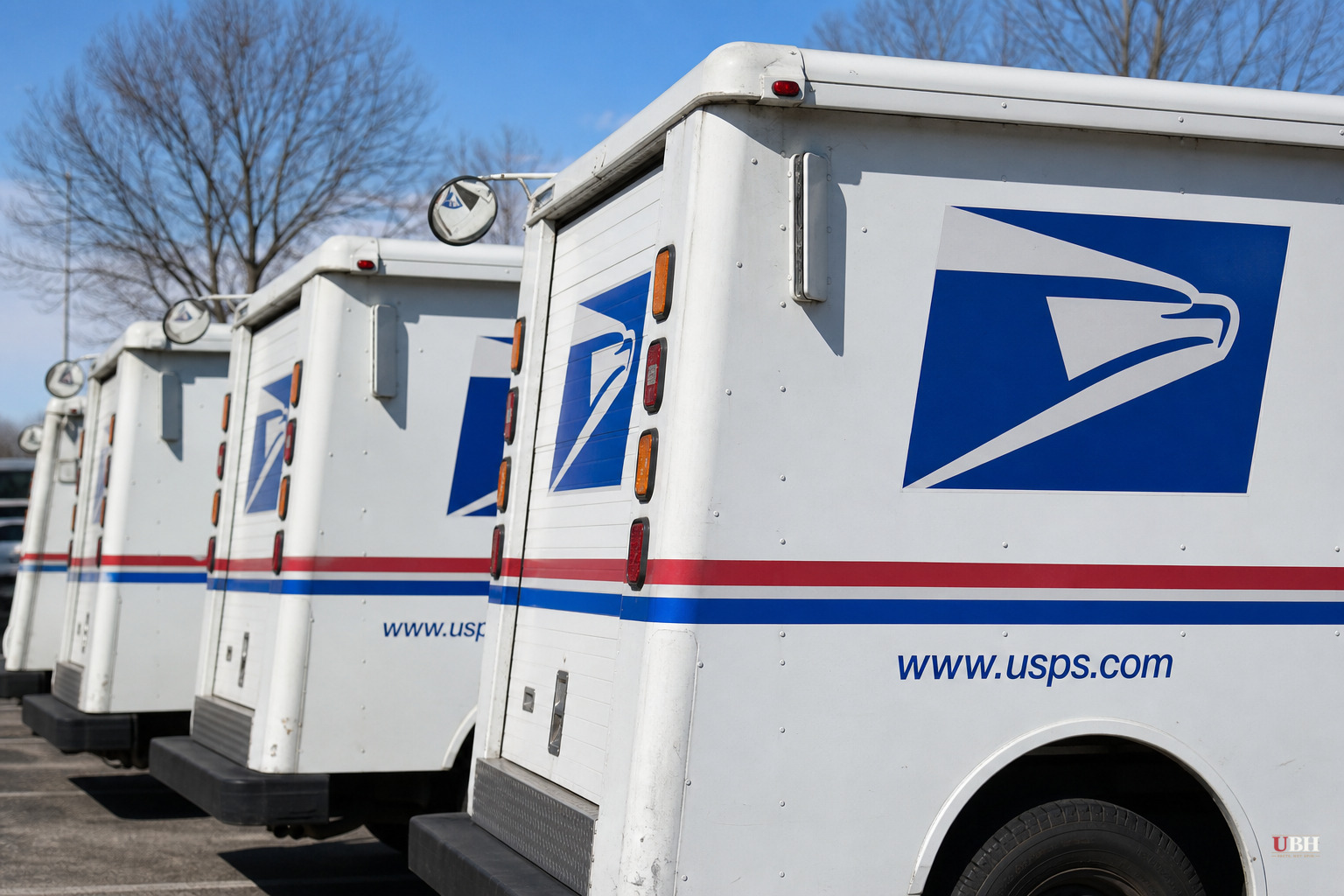
The U.S. Postal Service published a final rule late Friday, August 21, tightening requirements for mail-in ballots ahead of the November 3 midterms. There's one problem: two federal court injunctions currently ban the government from doing exactly that, according to Reuters and The Guardian.
USPS isn't pretending otherwise. The agency acknowledged the injunctions directly in the text of the rule, which runs 95 pages and is scheduled for publication in the Federal Register next week. USPS said it's issuing the rule now so it can take effect immediately if a court lifts the block, according to Reuters reporting carried by wtvbam and Ynet News.
What the rule would actually do
The rule stems from an executive order Trump signed in March, titled "Ensuring Citizenship Verification and Integrity in Federal Elections," according to the Daily Signal. It directs the Department of Homeland Security to compile lists of citizens eligible to vote in each state and share them with USPS. States would then have to submit ballot and barcode data to a new "Federal Ballot Mail Portal." If a state doesn't comply, USPS won't deliver its mail-in ballots at all.
Trump has been blunt about why he wants this. "Cheating on mail-in voting is legendary. It's horrible. Democrats want to use it for cheating," he said, according to Fox News. Noncitizen voting in federal elections is already illegal under existing law; the administration argues the new verification system is needed to actually enforce that.
The legal fight blocking it
U.S. District Judge Indira Talwani, an Obama appointee based in Massachusetts, has ruled against the administration twice. In June she blocked the order for 23 states and Washington, D.C. that sued, led by California Attorney General Rob Bonta. On August 11, she expanded that block nationwide after the League of Women Voters of Massachusetts asked her to, according to the Epoch Times.
Talwani's reasoning is that the Constitution puts election administration in the hands of states and Congress, not the president. "The court finds that enfranchisement heavily outweighs the executive's attempt to unconstitutionally insert itself into the domain of election regulation," she wrote, as quoted by the Daily Wire. She also warned that last-minute rule changes risk "increasing chaos and an erosion of trust in our democracy," noting the ruling came with less than 90 days left before the midterms.
The 1st U.S. Circuit Court of Appeals backed her up on July 25 in a 2-1 decision, rejecting the Justice Department's request to pause the ruling while the case proceeds, according to Fox News.
Solicitor General John Sauer asked the Supreme Court on July 27 to intervene and followed up with a request to expedite review, according to the Daily Signal. His filing argues the lower court's orders will "effectively run out the clock" on the administration's ability to implement the policy before November, calling that "irreparable harm to the federal government, the public, and election integrity."
The 23 states pushed back in an August 3 brief, arguing the administration is trying to "rush out an unprecedented, legally indefensible voter-verification and ballot-interception program" through an agency the states describe as "budget-strapped" and already struggling with other responsibilities, according to the Daily Signal.
The White House isn't backing down. Spokesperson Lauren Bis told the Epoch Times the administration will "continue lawfully enacting the agenda President Trump was elected to enact," and pointed to the stalled SAVE America Act in Congress as the preferred legislative fix.
Where this leaves voters
The League of Women Voters of Massachusetts, one of the plaintiffs, says the uncertainty itself is doing damage. Executive Director Celia Canavan told the Epoch Times the group is "committed to remaining in the fight to protect voting rights" for anyone who relies on mail voting. Talwani made a similar point in her ruling, noting that group members have been left "without confidence as to whether they will or will not be permitted to participate in mail-in voting."
A citizenship-verification requirement for mail ballots is not a fringe idea. Roughly a third of Americans voted by mail in 2024 according to The Guardian, and requiring ID or verification for voting is standard practice most Americans encounter for banking, driving, or air travel. But no court has yet found a legal path for the executive branch, rather than Congress or the states, to impose it unilaterally. Nothing in these rulings says states can't adopt tighter mail-ballot verification themselves.
The Supreme Court has not said when it will act on Sauer's request. With the injunctions still in place and state deadlines to mail ballots typically falling in September, the window for the administration to get relief before Election Day is closing fast.
Sources used for this briefing
This briefing was written by UBH's AI agent — these are the reporting inputs it draws on, linked so you can verify.


