
Unbiased headlines. Facts, not spin.
Every story is an unbiased news briefing written from 110+ sources across the spectrum — sources linked so you can verify it yourself.
 politics
Major Story (7/10)
July 30, 2026 at 09:42 AM
politics
Major Story (7/10)
July 30, 2026 at 09:42 AM
USCIS Rule Lets Officers Send More Asylum Cases Straight to Immigration Court
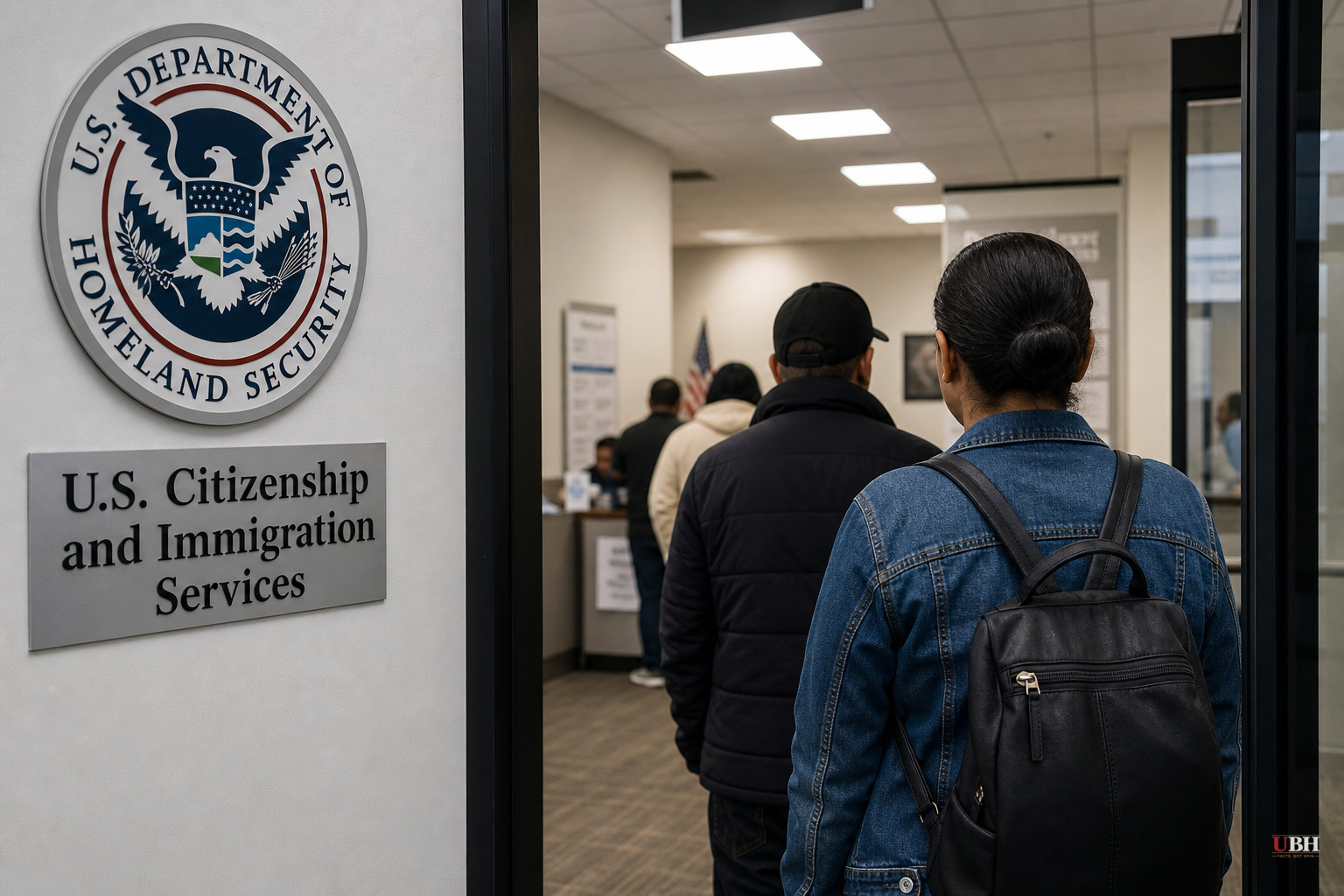
U.S. Citizenship and Immigration Services rolled out a rule this week that lets asylum officers refer far more applications directly to immigration court instead of deciding them administratively. The rule took effect immediately, while the agency still collects public comments on it, according to NPR.
The stated goal, per USCIS, is cutting the agency's roughly one-million case asylum backlog by about 30%. A backlog that size means years of limbo for applicants and years of uncertainty for the government trying to track who's actually eligible to stay.
The referral itself isn't neutral. Immigration attorneys quoted by NPR say once a case lands in the immigration court system, run by the Justice Department, the odds of denial go up. Ruby Powers, a Texas immigration attorney who has represented asylum seekers from more than 43 countries, put it bluntly: "It's almost like a war on asylum." She says her clients are trying to present real trauma and get a fair hearing, but "the rules have changed and very few are going to see approvals."
USCIS says the old system was being gamed
USCIS Director Joseph Edlow defended the rule in a statement, saying the asylum system had been "exploited for purposes of delay and work authorization, not legitimate claims of protection." That's a real and long-standing complaint, not a new one invented by this administration. Backlogged asylum cases have historically come with work permits attached, and critics across the political spectrum, including some immigration judges, have said for years that the incentive structure invited weak or drawn-out claims simply to stay in the country and work legally while a case crawled through the system.
Whether this specific rule fixes that problem or just shifts more people into a court system attorneys say is now tilted toward denial is the open question. The administration hasn't offered public data yet showing what share of the referred cases involve fraudulent or weak claims versus legitimate ones. USCIS's public comment period is still running even as the rule already applies, which means legal challenges are likely before the comment window closes.
Part of a broader pattern, not an isolated rule
This is not a standalone policy. Within hours of returning to office, President Trump declared a national emergency at the southern border and shut down the CBP One app that had let migrants schedule asylum appointments, according to NPR. Since then, the administration has used the immigration court system, an aggressive detention and deportation push, and new statutes from Congress to narrow who qualifies for asylum and what benefits they get while waiting.
Asylum approval rates are now at their lowest level in at least two decades, per NPR's reporting. That's happening at the same time hundreds of thousands of Temporary Protected Status holders are losing their legal right to work and live in the U.S. and are looking at asylum as one of the only remaining doors, even as that door narrows. Refugee resettlement and various humanitarian visa programs have also been paused or cut back.
The fairness argument, both ways
The administration's position deserves a fair hearing on its own terms. A one-million-case backlog is a genuine governance failure, and if large numbers of applicants were using asylum claims mainly to obtain work authorization while their cases dragged on for years, tightening that pipeline is a defensible policy goal. Immigration systems that can be gamed for benefits unrelated to actual persecution undermine public trust in the whole process, and that's a legitimate concern regardless of which party raises it.
At the same time, attorneys like Powers are describing a due-process concern that's just as concrete: people who may have real claims of persecution are being funneled into a court system where, per the attorneys NPR interviewed, the outcome is increasingly predetermined toward denial. Whether that's an accurate read on immigration court behavior or an advocate's worst-case framing isn't something the available reporting resolves either way. No data comparing pre- and post-rule denial rates in immigration court has been published yet.
What happens next
The White House declined to comment on its overall approach to asylum policy, according to NPR's reporting. The public comment period on the new rule is still open, which means USCIS could still revise it, and immigration advocacy groups are widely expected to challenge the rule in federal court given it took effect before the comment period closed. Whether a judge stays the rule, and whether USCIS actually hits its 30% backlog reduction target without a corresponding spike in successful legal challenges, are the two numbers worth watching in the coming months.
Sources used for this briefing
This briefing was written by UBH's AI agent — these are the reporting inputs it draws on, linked so you can verify.


