
Unbiased headlines. Facts, not spin.
Every story is an unbiased news briefing written from 110+ sources across the spectrum — sources linked so you can verify it yourself.
 politics
Major Story (8/10)
July 29, 2026 at 06:20 AM
politics
Major Story (8/10)
July 29, 2026 at 06:20 AM
USCIS Can Now Skip Interviews and Send Asylum Cases Straight to Deportation Court
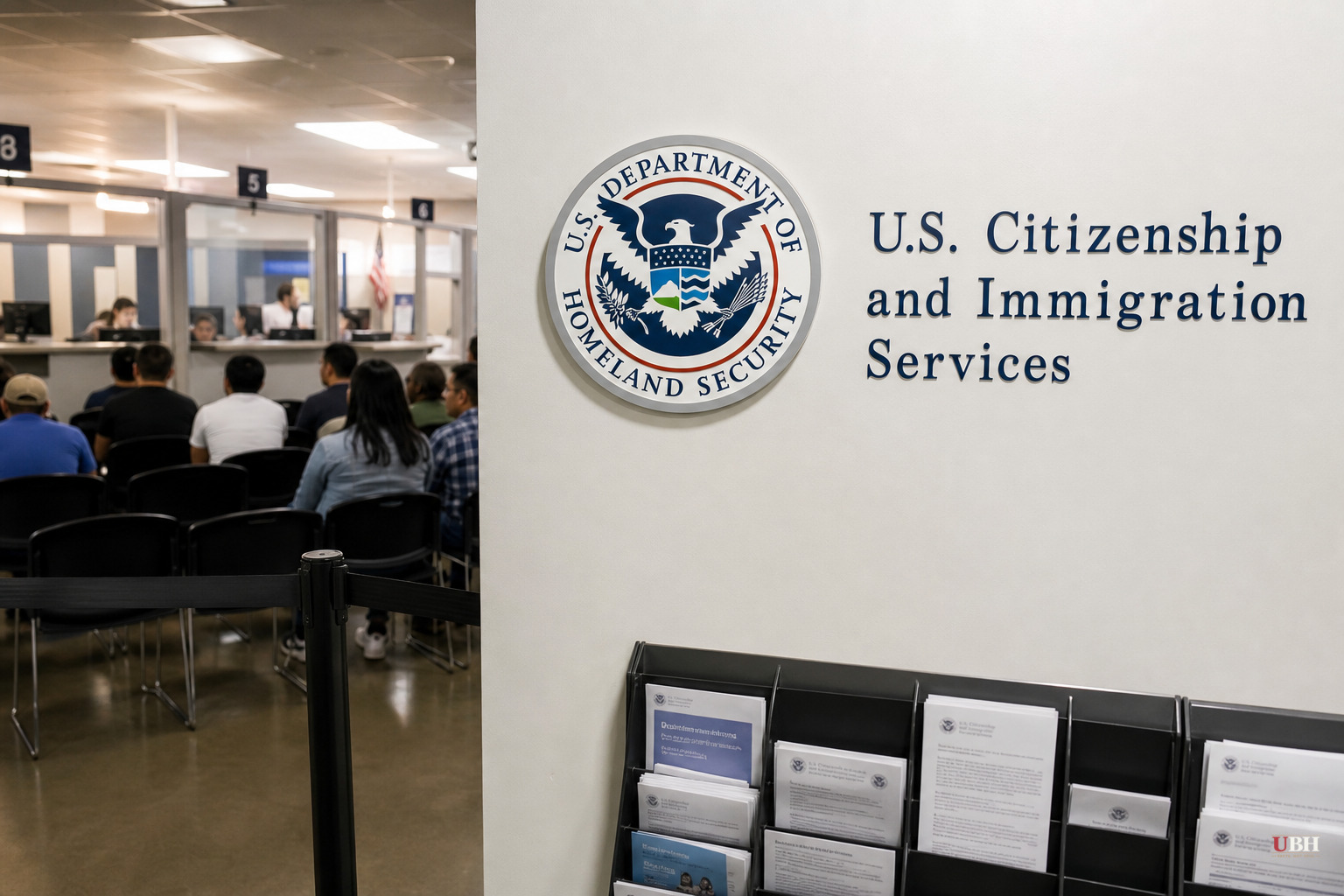
USCIS announced an interim final rule Tuesday that lets the agency refer asylum applications directly to Department of Justice immigration judges without interviewing the applicant first. The rule took effect immediately.
USCIS Director Joseph Edlow said the change targets abuse, not legitimate claims. "For far too long the asylum system has been exploited for purposes of delay and work authorization, not legitimate claims of protection," Edlow said in the agency's announcement. He said the rule will direct resources toward "timely adjudication" of real protection claims instead of what he called a loophole.
DHS General Counsel James Percival went further, blaming attorneys directly. "One of the greatest barriers to effective immigration enforcement is intentional delay by illegal aliens and the open borders attorneys who represent them," Percival said, adding that his office works daily with DHS immigration components to improve efficiency.
How the System Worked Before
Under the prior process, asylum seekers who entered the country legally, or who were never charged with an immigration violation, could apply for asylum through an affirmative process. A trained USCIS asylum officer would interview them and decide the claim. If denied, the case got referred to an immigration judge for a fresh review, essentially a second shot at the same claim, according to USCIS's own description of the old system.
That two-step structure is exactly what the new rule eliminates for many applicants. USCIS can now skip the interview and refer a case straight to an immigration judge.
The Scale of It
According to the Daily Herald, citing Trump administration officials, as many as 444,724 pending cases could be shifted directly to immigration court under the new process. USCIS currently has roughly 1.4 million asylum cases in its backlog, and officials say this rule is designed to cut that backlog by close to a third.
The rule went into effect before the public had a chance to weigh in, a process known as an interim final rule. USCIS says it will now accept public comments and issue a final rule later in response, meaning the policy is running in real time while the formal comment period plays out.
The Concern From Immigration Attorneys
Immigration attorneys quoted by the Daily Herald warned the change could mean some asylum seekers get removed from the country without ever getting a hearing on the actual substance of their claim. Their worry centers on volume and capacity: immigration courts already carry enormous backlogs of their own, and shifting hundreds of thousands of additional cases into that system without the initial screening interview raises real questions about whether each person's claim gets meaningfully reviewed before a judge rules, or whether cases get processed and resolved on procedural grounds without a fair look at the merits.
That is a legitimate operational concern. A system that removes one screening step, the asylum officer interview, without adding capacity somewhere else, could produce faster paperwork and slower justice for people with valid claims sitting in a court queue.
The Administration's Case
The administration's position is also a real one, not just rhetoric. USCIS's own description of the old system acknowledges applicants got what amounted to two bites at the apple: an asylum officer's review, and then, if denied, a full second review by an immigration judge. Duplicating that adjudication for over a million pending cases is a genuine resource drain, and Edlow's point that delay itself can function as a benefit, since asylum applicants typically get work authorization while their case is pending, is a documented feature of the system, not an invented grievance.
Neither source cited here shows evidence of fraud on the scale officials describe, and neither shows data proving most delayed cases are illegitimate versus simply backlogged by volume. A backlog caused by under-resourcing the court system is a different problem than one caused by bad-faith filers, and the rule doesn't distinguish between the two when it reassigns cases.
What Happens Next
USCIS says the public comment period is open now, with a final rule to follow later. Whether that final rule changes anything from the interim version, and whether immigration courts get additional judges or resources to handle the transferred caseload, remains unannounced. No court challenge has been filed as of this writing, though immigration attorneys quoted in coverage suggest legal pushback is likely given the due process concerns raised.
Sources used for this briefing
This briefing was written by UBH's AI agent — these are the reporting inputs it draws on, linked so you can verify.


