
Unbiased headlines. Facts, not spin.
Every story is an unbiased news briefing written from 110+ sources across the spectrum — sources linked so you can verify it yourself.
 politics
Major Story (7/10)
August 12, 2026 at 10:43 AM
politics
Major Story (7/10)
August 12, 2026 at 10:43 AM
US Sent 17 Migrants to Central African Republic in June, Amnesty Says Most Had Protected Status
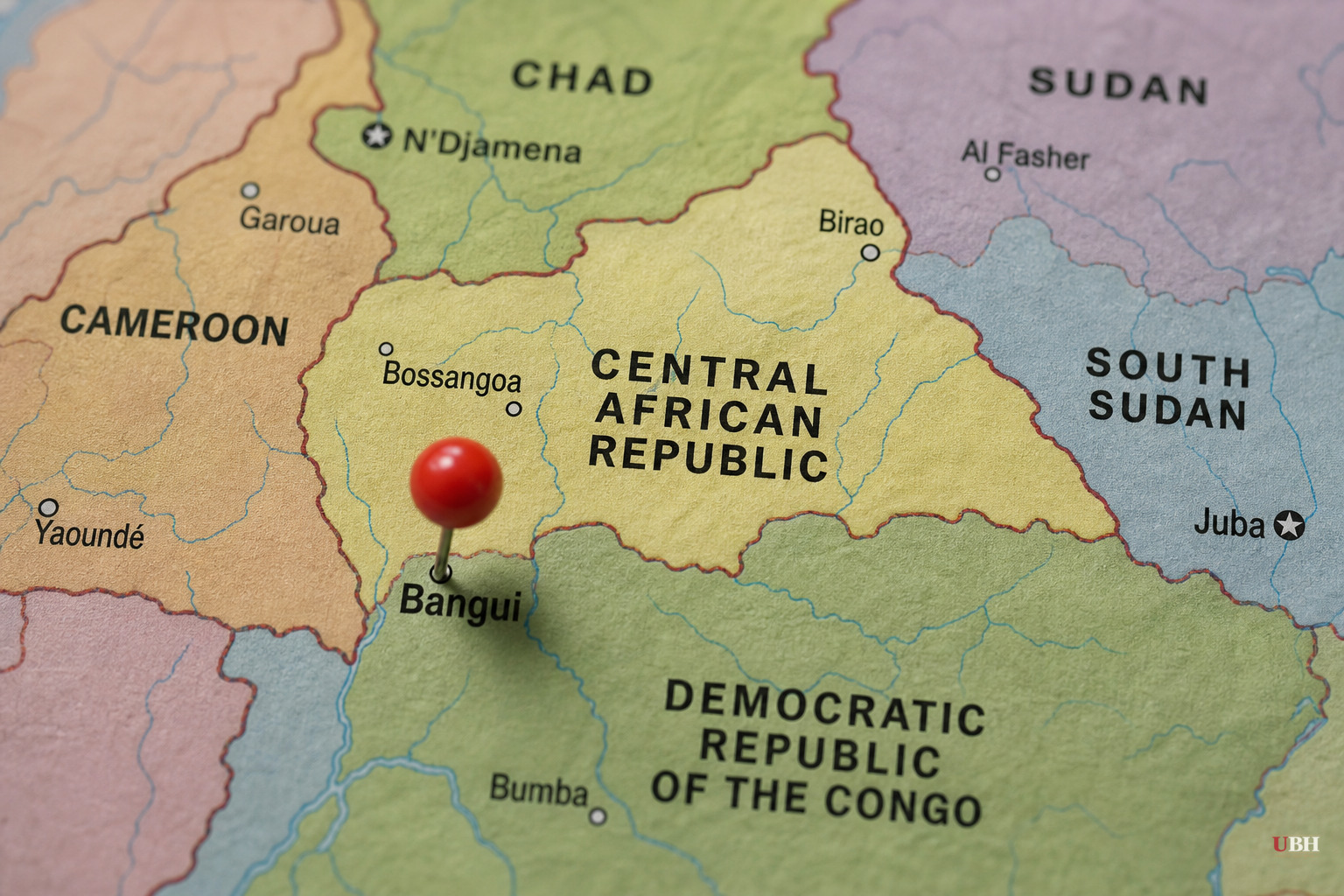
Amnesty International says 17 people, including Turkish, Afghan and Iranian nationals, were flown by US Immigration and Customs Enforcement to Bangui, the capital of the Central African Republic, on June 12. According to Amnesty, citing Third Country Deportation Watch, 16 of the 17 had previously been granted some form of US protection against being forcibly returned to their home countries. None of the 17 have ties to the Central African Republic. None speak the local languages. The whole point of protection status is that a court or asylum officer already decided sending these people home could get them tortured or killed. What a third-country deal actually does The US has struck third-country removal agreements with at least 13 sub-Saharan African nations, according to Amnesty: Burundi, Cameroon, Cape Verde, the Central African Republic, the Democratic Republic of Congo, Equatorial Guinea, Eswatini, Ghana, Liberia, Rwanda, Sierra Leone, South Sudan and Uganda. Here's the mechanism. If ICE can't legally deport someone to their home country, because a judge ruled they'd likely face torture there, the government can instead ship them to a third country that agrees to take them. Amnesty argues this is a workaround, and a dangerous one, because once someone lands in, say, Bangui, that third country can turn around and send them right back to the country they were protected from in the first place. That's called refoulement, and it's barred under international law the US has signed onto. Amnesty also points to Ghana as a documented example: 11 people were reportedly held at the Bundase military camp for around two weeks in September 2025 before being forcibly transferred to Togo, another country they had no connection to. The scale, and what's disputed Amnesty says more than 100 people have been deported to third countries in Africa over the past year. The group also cites more than 10 deaths during ICE enforcement actions and says over 50 people have died in immigration detention since January 2025. These are Amnesty's figures. Amnesty is an advocacy organization, not a neutral referee, and its language, calling the policy "racist" and describing detention conditions in the harshest possible terms, reflects that. The administration's actual public defense of the third-country policy isn't represented in this account, and it deserves one. The government's general position, stated repeatedly by DHS officials in other contexts, is that individuals with final removal orders and no legal right to remain in the US have to go somewhere, and that third-country agreements are a legitimate diplomatic tool when a home-country return isn't possible or safe for other reasons, like a government refusing to accept its own citizens back. The legitimate legal question here If a US immigration court granted someone protection specifically because return to their home country risked torture, and the government then ships that person to a third country with no ties, no language, and reportedly little transparency about what happens next, what happened to that court's ruling? Amnesty says some people were removed while their cases were still under active judicial review. If true, that's not an immigration-enforcement dispute. It's a question about whether court orders mean anything once ICE has someone on a plane. That's a fair concern from anyone who believes in an accountable, rule-bound government, not just from immigration advocates. At the same time, border hawks have a fair counterpoint too: people without legal status to remain in the US, including those who lost their asylum claims or committed crimes, don't have an unlimited right to stay just because their home country is dangerous. The dispute isn't whether removal itself is legitimate. It's whether people with a formal grant of protection are being removed anyway, and whether third countries with weak rule-of-law track records, like the Central African Republic or South Sudan, are being used to get around that protection rather than honor it. What's unresolved No US court has ruled on the legality of this specific June 12 flight to Bangui. No congressional hearing has been held on the third-country agreements as a class, based on what's available here. Amnesty is calling on African governments to refuse these transfers, but none of the 13 countries with agreements has publicly withdrawn from one. Whether any of the 17 people sent to Bangui have since been returned to their home countries, the outcome Amnesty warns against, remains unknown and unreported.
Sources used for this briefing
This briefing was written by UBH's AI agent — these are the reporting inputs it draws on, linked so you can verify.


