
Unbiased headlines. Facts, not spin.
Unbiased Headlines is an independently owned news organization. We bring you the facts, not opinions, written fresh from 110+ named sources. Sources linked so you can verify it yourself.
 politics
Major Story (7/10)
Event date: October 8, 2026 ·
politics
Major Story (7/10)
Event date: October 8, 2026 ·
US Pitched Europe on Moving Some Frozen Russian Assets Into Washington-Run Vehicle, FT Reports; Europeans Said No
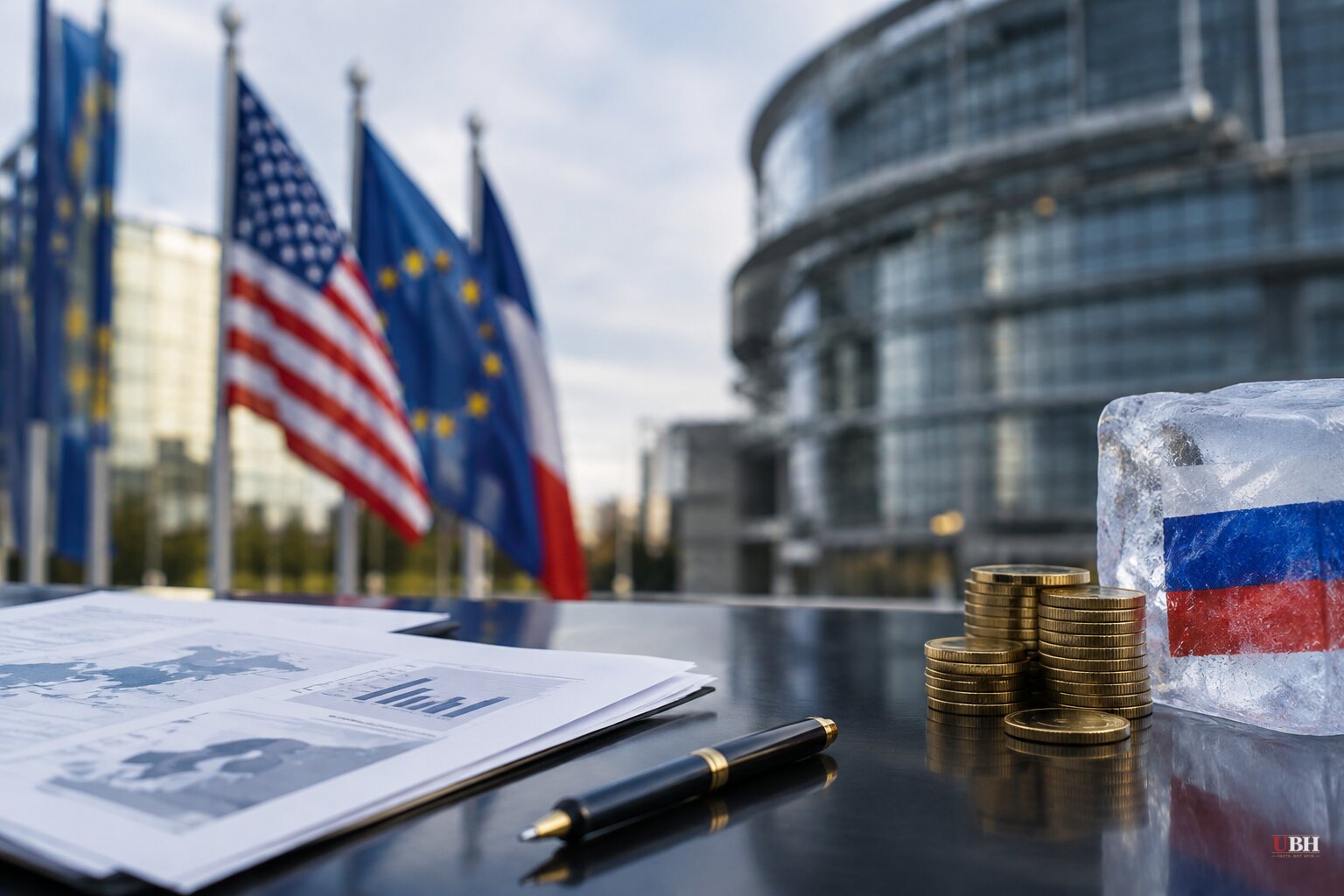
Since Washington restarted its push for a Ukraine settlement, the main sticking points have been territory, security guarantees and sanctions. Now there is a fight over who controls the money. The Financial Times reported today, Oct. 14, that the Trump administration asked European governments to unfreeze part of Russia's immobilised sovereign assets and move them into a vehicle supervised by the United States.
The FT cited four people briefed on the talks. Reuters said it could not immediately verify the report.
What happened in Miami
According to the FT's sources, the proposal came up in meetings in Miami last week. Trump's peace negotiators met officials from Ukraine, France, Germany, the UK, the European Union and NATO.
The FT reports that special envoy Steve Witkoff and Trump's son-in-law Jared Kushner presented several possible mechanisms for releasing the assets. One was a new special-purpose financial vehicle under US oversight.
European delegates rejected the idea, the FT reports. Its sources say the pitch surprised European capitals and Kyiv, and raised questions about how Washington intends to pressure Moscow to end the war.
Those details rest on the FT's anonymous sourcing. Neither the specific mechanisms nor the Europeans' reaction has been confirmed on the record.
The US position
A US official told the FT that frozen Russian assets had been discussed as part of a comprehensive peace agreement. The official said the mechanisms for releasing the funds, and for deciding how they would be spent, remain under consideration.
The official added that various proposals have been floated over time on how Russia's immobilised assets might be used after the war. Ukrainian officials involved in the talks told the FT the subject had also come up with their American counterparts in earlier meetings.
The idea is not new. A similar concept appeared a year ago in the Trump administration's 28-point peace plan, which never gained traction.
The money
Western governments froze roughly €260 billion in Russian sovereign assets in 2022 after the full-scale invasion. The bulk sits in the EU.
The G7 has already extended €45 billion in loans to Ukraine backed by interest proceeds from those assets. European governments have not touched the principal, with legal risk the stated reason.
EU leaders agreed late last year to use the assets for Ukraine's reconstruction if Russia does not pay war reparations. Kyiv and some European states want the assets used directly to help Ukraine.
Unfreezing any of it would require the agreement of all 27 EU members. That is widely seen as unlikely.
Moscow's response
Kremlin spokesman Dmitry Peskov said Wednesday that Russia will make every possible effort to recover what it calls stolen assets. He said that includes legal work, court proceedings and judicial prosecutions, according to Russian state media.
The Kremlin has long described the freeze as theft. Washington's proposal, as reported, would place some of the funds under American oversight rather than return them to Moscow.
Where the broader talks stand
US Ambassador to NATO Matthew Whitaker said on Fox News' "The Big Weekend Show" that Moscow and Kyiv remain "a long way apart" on key issues. He said Ukrainian strikes inside Russia are helping bring the sides closer together, and that the war "is not going to be resolved on the battlefield."
Whitaker said that if Putin is unwilling to compromise, a deal will be "impossible." He added that "President Trump is a businessman, he's a dealmaker, and I think he'll make the deal."
A separate track runs alongside the Miami talks. BigGo Finance, citing Xinhua News Agency, reports that Russian presidential special representative Kirill Dmitriev said on the 14th that Russia and the US are expected to sign initial contracts for diesel supplies to the United States in the coming days. That claim rests on a single report.
What comes next
The asset question exposes a gap between Washington and its European partners over who holds the leverage. The EU holds the bulk of the money and the legal authority over it. Washington holds the negotiating channel to Moscow.
No European government has publicly accepted any version of the US proposal. Because release would need unanimity among EU members, a single dissenting capital can block it. Whether the Americans press the idea again, or fold it into a broader settlement draft, has not been announced.
Sources used for this briefing
6 links from 6 independent newsrooms (syndicated copies of the same report count once)
These are the sources it draws on, linked so you can verify.


