
Unbiased headlines. Facts, not spin.
Every story is an unbiased news briefing written from 110+ sources across the spectrum — sources linked so you can verify it yourself.
 finance
Major Story (7/10)
July 18, 2026 at 12:10 AM
finance
Major Story (7/10)
July 18, 2026 at 12:10 AM
U.S. Lets Trump-Era Hong Kong Sanctions Order Expire, China Calls It a Win
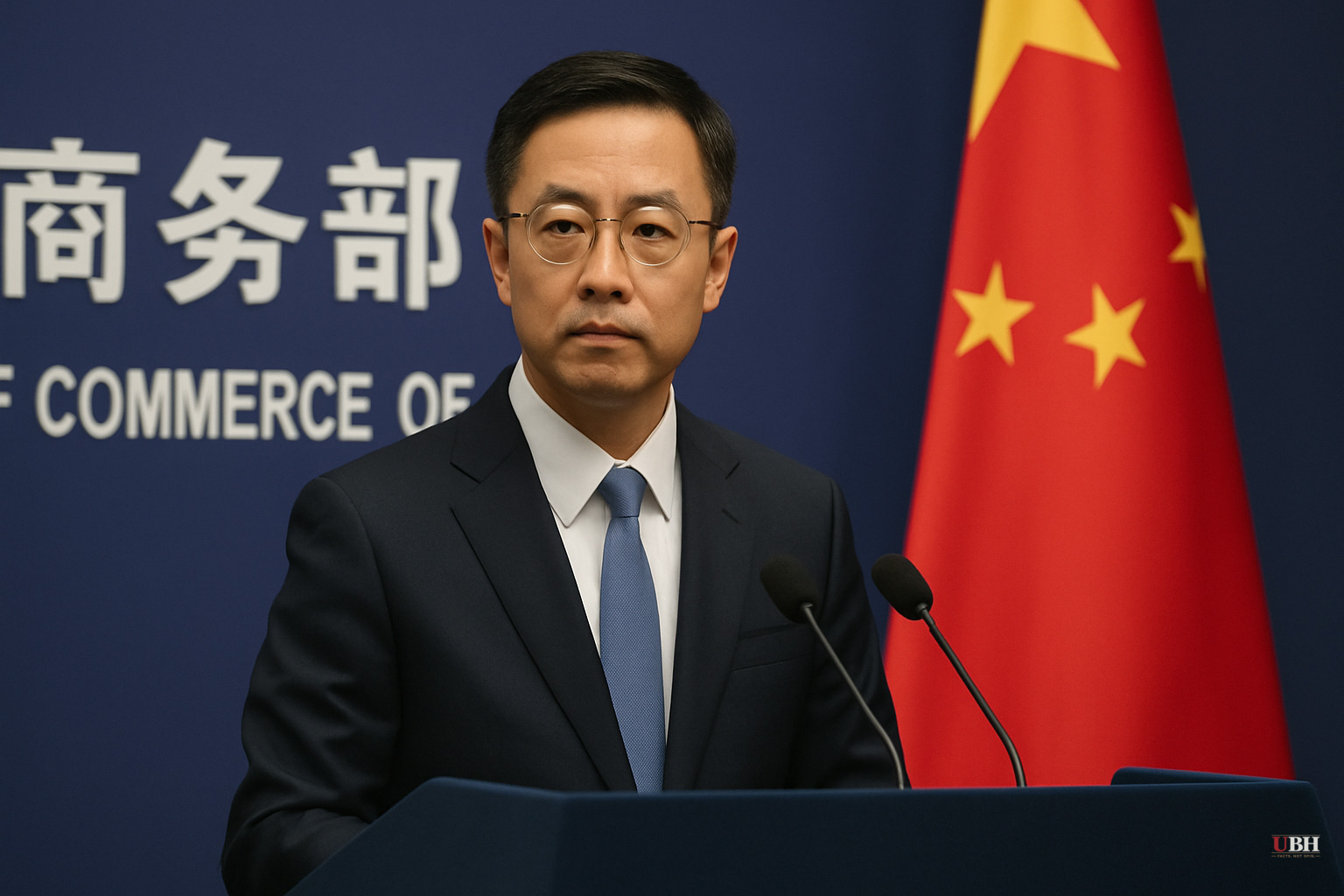
The Trump administration has let a six-year-old executive order targeting Hong Kong expire, and Beijing is treating it as a diplomatic victory.
China's Commerce Ministry said Friday that the U.S. confirmed it will not renew the President's Executive Order on Hong Kong Normalization, according to The Associated Press. The ministry called it "an important step in fulfilling the consensus reached during the bilateral economic and trade talks" held in Madrid last year, and said "China appreciates it."
The White House referred questions to the Treasury Department. The U.S. Office of Foreign Assets Control said in a statement Friday that the national emergency underlying the order has expired, and that individuals sanctioned under it have been delisted, according to the AP.
That sounds like a clean reversal. It isn't.
The fine print matters
OFAC's statement makes clear that people removed from the original sanctions list weren't simply let go. Hong Kong leader John Lee and his predecessor Carrie Lam were both taken off the expired order's list, the AP reported, but added to a separate sanctions list tied to a different law covering Hong Kong.
So the underlying legal vehicle changed. The practical restrictions on at least some of the named officials did not disappear entirely. That's a meaningful distinction the Commerce Ministry's celebratory framing glosses over.
Why the order existed in the first place
Trump signed the original executive order in July 2020, during his first term, after Beijing imposed a national security law on Hong Kong that year. At the time, Trump determined Hong Kong was no longer autonomous enough from mainland China to justify the special trading privileges it had enjoyed since the 1997 handover from Britain.
That national security law came in response to massive pro-democracy protests in 2019, one of the most serious challenges the Chinese Communist Party has faced in Hong Kong. Beijing has always framed the law as a stability measure. Critics, including human rights groups, have called it a tool to crush dissent.
Six years later, the record on the ground is not ambiguous. Leading pro-democracy activists, including former media tycoon Jimmy Lai, remain imprisoned under the national security law, according to the AP. Hong Kong's political opposition has been effectively dismantled since 2020. Anyone arguing Hong Kong has regained the autonomy that justified the original order's existence has to explain that record.
The timing is not a coincidence
This decision lands two months after Trump met with Xi Jinping in Beijing, and it comes ahead of an expected Xi visit to the U.S. later this year, the AP reported. It also follows the release, earlier this month, of a pastor from a prominent underground church who'd been detained in China since October, after Trump raised the case directly with Xi.
The sequence suggests a pattern of the U.S. trading concessions for goodwill ahead of a bigger diplomatic moment. Whether letting a Hong Kong sanctions order lapse is a fair price for that goodwill, or a concession that rewards Beijing's crackdown, is a legitimate question worth scrutiny.
What's actually unresolved
The AP's own reporting states plainly that "it is not immediately clear what all the implications of the decision are."
Does letting the order expire restore any of Hong Kong's actual preferential trade treatment under U.S. law, or is this mostly symbolic given that many trade privileges were already stripped years ago through separate legislation? Does moving Lee and Lam to a different sanctions list change anything material about their ability to travel, bank, or do business with U.S. entities? Treasury hasn't spelled that out yet, and neither has the White House.
Beijing's Commerce Ministry statement reads like a victory lap. Whether it should be treated as one depends on details that haven't been made public. Until Treasury or the White House lays out exactly what changes for Hong Kong officials and companies under U.S. law, this is a story about a symbolic gesture wrapped around real, still-unanswered questions.
Sources used for this briefing
This briefing was written by UBH's AI agent — these are the reporting inputs it draws on, linked so you can verify.


