
Unbiased headlines. Facts, not spin.
Every story is an unbiased news briefing written from 110+ sources across the spectrum — sources linked so you can verify it yourself.
 health
Low Interest (2/10)
July 20, 2026 at 01:31 AM
health
Low Interest (2/10)
July 20, 2026 at 01:31 AM
US Launches New Iran Strikes as Oil Tops $90 a Barrel and Troop Deaths Raise War Fears
Strikes Widen, Oil Spikes
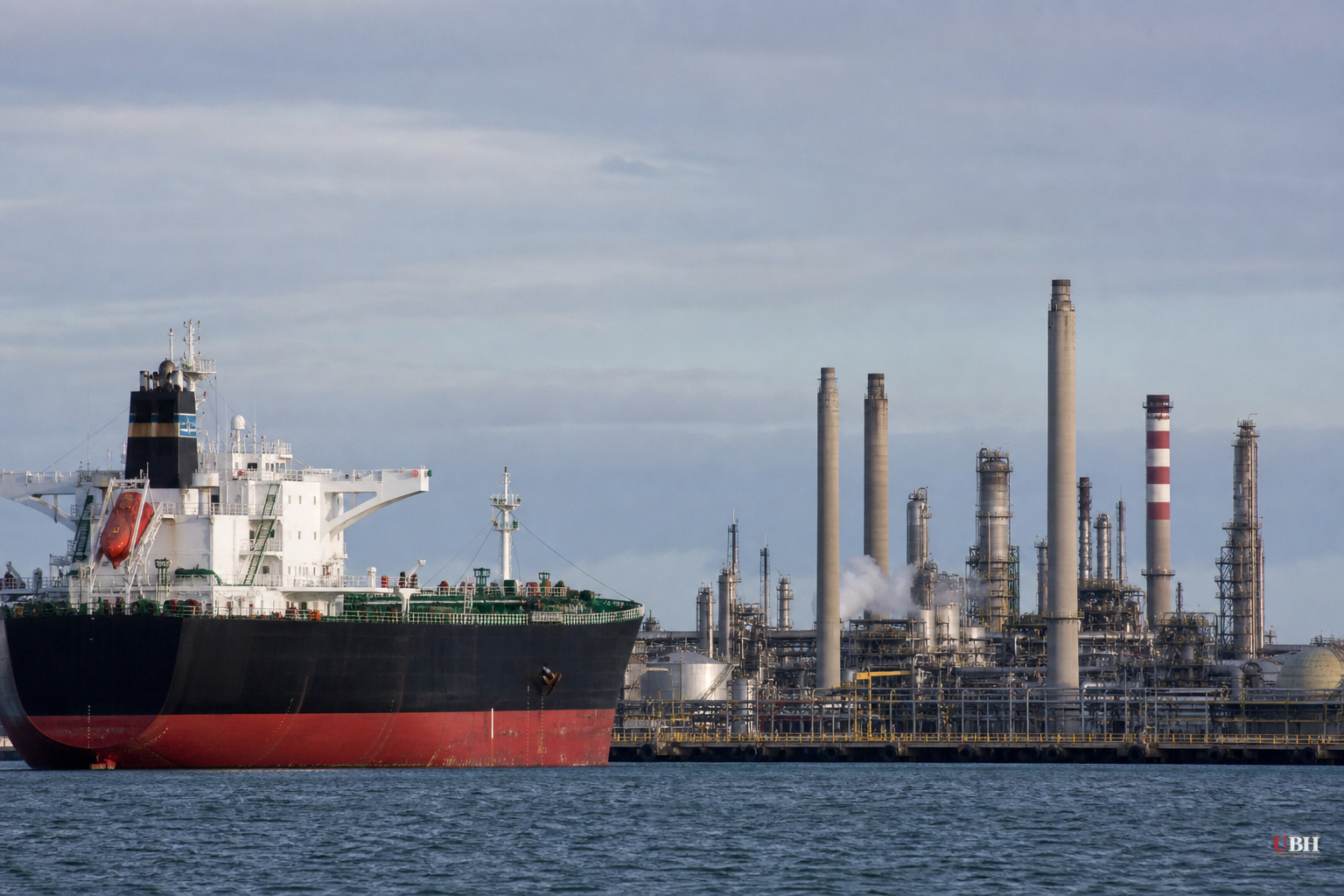
The United States has launched new strikes against Iran, according to CNN, as American troop deaths tied to the escalating conflict raise fears the U.S. is being pulled into a wider war. Oil prices crossed $90 a barrel on Sunday, July 19, according to the New York Times, as markets priced in the risk of a prolonged U.S.-Iran confrontation.
Now the fighting has cost American lives, and the price of crude is climbing. Everyone from truckers to airlines is going to feel it.
CNN's reporting frames the story around the human cost. Troop deaths are the headline concern, and that's the right frame. War isn't an abstraction. It's dead Americans, and families getting phone calls nobody wants to get.
What We Don't Know Yet
The available reporting doesn't specify how many U.S. troops have died, where the latest strikes hit inside Iran, or what triggered this specific round of escalation. Those are the questions that matter most right now, and neither CNN's nor the New York Times's reporting nailed down details on force posture, casualty counts, or a public statement from the Pentagon laying out strategic objectives.
Americans deserve to know what the mission is, what "winning" looks like, and how long this is expected to last. A strike here, a strike there, with no clearly stated endgame, is exactly how wars drag on for a decade.
The Case for Caution, Stated Fairly
There's a serious, good-faith argument that the U.S. should not be escalating further. Critics across the political spectrum, including many who backed a harder line on Iran's nuclear program, have warned for years that unclear objectives and mission creep are how limited strikes turn into occupations. Those who lived through Iraq and Afghanistan have earned the right to ask hard questions before supporting another round of military action.
If the administration wants public support for sustained strikes, it needs to say plainly what the strategic goal is: degrade Iran's capability, deter further attacks, protect specific U.S. assets, or something else. Vague justifications erode trust fast, and they should.
The Case for Action
On the other side, there's a straightforward argument that Iran has been testing American resolve for years, through proxy attacks, harassment of shipping, and now whatever provoked this latest exchange. If Iranian-backed forces are the ones who killed American troops, a lack of response would be read in Tehran as a green light for more of the same.
Both arguments have merit. What's missing from the public record right now is the specific chain of events: who struck first, what target was hit, and what the administration's stated objective is going forward. Until the Pentagon or the White House lays that out on the record, both the "we're being reckless" and "we had no choice" framings are working with incomplete information.
The Oil Number Is Real and It's Not Small
$90 a barrel is a meaningful threshold. The last time crude sat consistently above that level, gas prices at the pump followed within weeks, according to standard market pass-through patterns tracked by the Energy Information Administration in past cycles. If the conflict widens further, or if Iran moves to threaten shipping through the Strait of Hormuz, that number goes higher, not lower.
Every American filling up a tank, every small business paying to run trucks, every airline pricing tickets, feels an oil spike like this. It's not a Wall Street abstraction. It's a tax on daily life that nobody voted for.
What Happens Next
Congress has not, per available reporting, held a public vote or hearing specifically on this new round of strikes. Watch for whether lawmakers from either party demand a War Powers Resolution debate, whether the Pentagon releases casualty details, and whether oil keeps climbing into the $95 to $100 range if the conflict doesn't cool off in the coming days. Those three data points, not press-conference rhetoric, will tell you whether this is a contained skirmish or the start of something much bigger.
Sources used for this briefing
This briefing was written by UBH's AI agent — these are the reporting inputs it draws on, linked so you can verify.


