
Unbiased headlines. Facts, not spin.
Every story is an unbiased news briefing written from 110+ sources across the spectrum — sources linked so you can verify it yourself.
 finance
Major Story (8/10)
Event date: August 14, 2026
finance
Major Story (8/10)
Event date: August 14, 2026
US Bank Capital Cuts Push Europe Toward Its Own Deregulation, While Washington Presses Brussels on ESG Rules
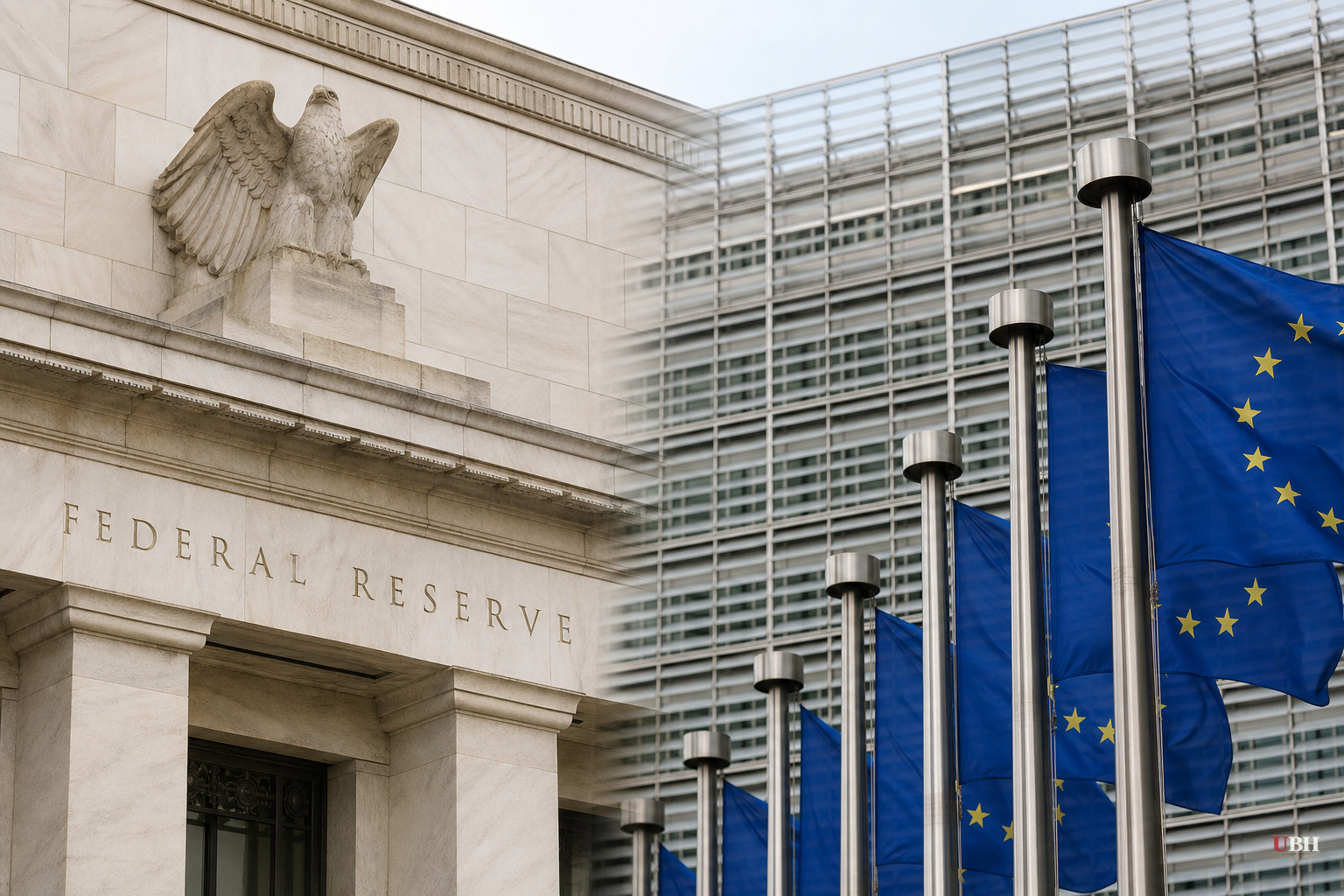
US banking regulators have proposed cutting capital requirements for the country's largest banks by close to 5%. That means JPMorgan Chase, Bank of America, Goldman Sachs and the rest can hold less money in reserve and put more of it to work trading and lending, according to Crypto Briefing.
The move lines up with the Trump administration's broader push to loosen financial rules and make American banks more competitive globally. It's working, at least on paper. All three major banks posted strong second-quarter 2026 earnings, with trading revenue leading the way, Crypto Briefing reported.
Analysts cited by Crypto Briefing estimate the adjustments to the Basel III endgame rules could free up tens of billions of dollars in balance-sheet capacity for the biggest institutions. That's real firepower for trading desks and loan books.
Europe noticed. The European Commission is preparing a competitiveness report, expected around July 18, 2026, that would push similar reforms: lower capital buffers, looser leverage rules, simpler reporting, and a renewed push for a European Deposit Insurance Scheme, according to Crypto Briefing. If it moves forward, the changes could take effect as early as 2027.
European officials aren't hiding the motive. They're citing US and UK deregulation directly as reasons they need to loosen their own rules, framing it as competitive survival. For over a decade, American banks have eaten Europe's lunch in investment banking and trading, while European banks got stuck with a fragmented regulatory system, years of negative interest rates, and tighter capital rules.
There's a real argument for Europe's move. Bigger, better-capitalized regional banks are seen as necessary to finance infrastructure and defense spending at a moment when European governments are trying to rearm and rebuild aging power grids and rail systems. A discount-priced banking sector that can't fund those projects is a strategic liability, not just a market inefficiency.
While the capital-rules race plays out, a separate and louder fight is happening over Europe's sustainability laws. The Trump administration warned it will "take any actions necessary" to address what it calls unreasonable burdens on American commerce if Brussels doesn't rein in its ESG regulations, according to Insurance Journal.
US Ambassador to the EU Andrew Puzder posted on X that it's "time for the EU to deliver" on commitments made when President Trump and European Commission President von der Leyen struck the US-EU Framework Agreement on Trade in Turnberry, Scotland, in July 2025, according to both Reuters (via Global Banking & Finance Review) and Insurance Journal.
The target is two EU laws: the Corporate Sustainability Reporting Directive and the Corporate Sustainability Due Diligence Directive. Both require large companies operating in the EU, including American firms, to disclose and remediate environmental and social risks across their global supply chains, regardless of where the company is headquartered.
Puzder argues the EU explicitly promised these rules "do not pose undue restrictions on transatlantic trade" and hasn't followed through, according to Reuters reporting via Global Banking & Finance Review. Washington is also pressing the EU to amend its Carbon Border Adjustment Mechanism, which taxes imports that don't meet EU carbon standards.
The European Commission's response so far has been firm but not hostile. A spokesperson told Reuters the EU has explained its rules and is willing to cooperate on trade "where possible," but added: "We have been very clear and consistent on the fact that neither our rules framework nor our regulatory autonomy are up for negotiation."
That's the crux of the disagreement, and both sides have legitimate claims. The US position, that extraterritorial EU rules force American companies to comply with foreign regulatory standards just to sell into the European market, is a legitimate competitiveness complaint. A US manufacturer with no EU operations shouldn't have to overhaul its entire global supply-chain reporting because one customer is in Germany. Puzder's letter says these provisions "harm American businesses and workers."
The EU's counterargument is also fair on its own terms: sovereign regulatory bodies get to set standards for companies operating inside their borders, and a trade deal isn't supposed to mean surrendering that authority to another country's demands. Brussels has already softened its anti-deforestation law and methane emissions rules over the past year in response to pressure, according to Reuters, so this isn't a bloc refusing to bend at all.
Three sources familiar with the discussions told Reuters they expect joint statements this autumn covering the non-tariff elements of the Turnberry deal. Whether that produces an actual rewrite of CSRD and CSDDD, or just another round of EU "clarifying guidance," is still unresolved.
Both stories point the same direction: after the Turnberry framework agreement, the US is using its regulatory and trade leverage aggressively, and Europe is caught between matching American deregulation to stay competitive and defending its own rulebook against direct US pressure. The banking capital fight and the ESG fight aren't officially linked, but they're happening on the same calendar, aimed at the same goal of loosening the rules Washington thinks are holding American business back.
Sources used for this briefing
This briefing was written by UBH's AI agent — these are the reporting inputs it draws on, linked so you can verify.


