
Unbiased headlines. Facts, not spin.
Every story is an unbiased news briefing written from 110+ sources across the spectrum — sources linked so you can verify it yourself.
 finance
Major Story (8/10)
August 16, 2026 at 09:59 AM
finance
Major Story (8/10)
August 16, 2026 at 09:59 AM
US and Japan Buy Yen Together for First Time in Decades. It Barely Worked.
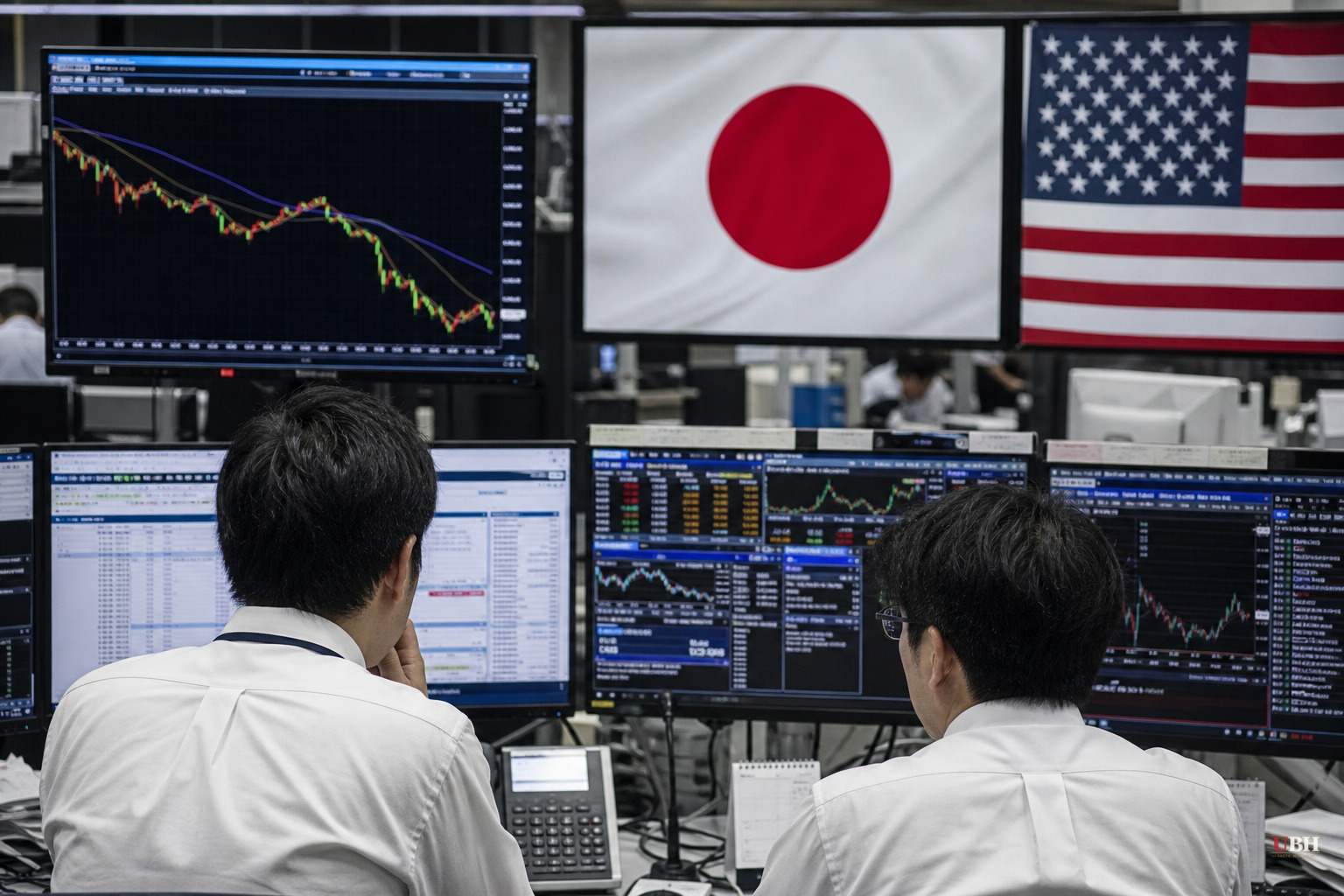
The yen was falling apart. So the U.S. Treasury and the Bank of Japan did something neither has done in almost three decades: they intervened together to stop it.
According to Fortune, Treasury Secretary Scott Bessent's own notes indicated the U.S. bought between $5 billion and $10 billion in yen. Japan reportedly went far bigger, topping $50 billion. The yen strengthened from roughly 164 per dollar to about 157. By Friday, according to Fortune, it had drifted back to around 159.
It's a temporary move, not a lasting fix.
A Wall Street Guy Doing Wall Street Things
Bessent isn't a career bureaucrat. Before Treasury, he ran a hedge fund and, according to the Japan Times (Bloomberg), made roughly $1 billion on a currency trade while working for George Soros. He's already run a high-risk bailout play for Argentina. Propping up the yen is the latest example of him applying trader instincts to a government job.
One of his moves raised eyebrows specifically. Instead of selling dollars to buy yen, the U.S. reportedly sold euros. Japan, meanwhile, borrowed against its Treasury holdings rather than selling them outright, according to Fortune. Both choices avoided dumping U.S. debt onto the market, which tells you something about how nervous Washington is about Treasury yields right now.
Why the Yen Is in Trouble in the First Place
The intervention treats a symptom. The disease is bigger.
Japan's government debt exceeds 200% of GDP, according to Fortune. The government is running fiscal stimulus that's expected to push the deficit higher. And the Bank of Japan has kept short-term rates far below other G7 economies. The Globe and Mail's John Rapley put a number on it: Japanese rates sit at less than half Canada's and Europe's levels and barely a quarter of what the U.S. and U.K. charge.
That rate gap is what fuels the "yen carry trade" Wall Street veteran Ed Yardeni flagged in a note cited by Fortune. Investors borrow cheap yen and use it to buy higher-yielding assets elsewhere. When the yen destabilizes, that trade gets nervous, and Yardeni's blunt description was that the whole financial system "looks like a giant Jenga tower with the yen as a load-bearing piece."
Rapley's Globe and Mail column adds a wrinkle. He ties recent yen weakness partly to inflation pressure from rising oil prices tied to the war Trump launched with Iran, on top of the Bank of Japan's traditionally ultra-loose stance. Japanese inflation sits at 1.7%, still climbing at roughly 0.1% a month by his account, not runaway by any historical standard, but enough to spook currency traders watching a central bank slow to respond.
The Real Risk for Washington
Japan is the largest foreign holder of U.S. Treasuries, with more than $1 trillion on its books, according to Fortune. If Japan needs to sell those Treasuries to defend its currency or cover domestic obligations, it pushes U.S. Treasury yields higher, which makes U.S. debt more expensive to service. Yardeni's framing was direct: decades of assuming Asian central banks would keep buying U.S. debt "are catching up with Washington."
Fortune also noted a silver lining, courtesy of Yardeni: other Asian economies are in far better shape now than during the 1998 Asian financial crisis, when regional currencies collapsed. That's a reasonable, fact-based counterpoint to doom framing, and it deserves to be stated plainly rather than buried.
One Source Worth Naming and Setting Aside
Global Research, in a piece attributed to no named financial analyst, argued Bessent is pushing to revive the Bretton Woods gold-backed system and speculated, without evidence, that America's gold reserves are empty, that the U.S. hasn't conducted an external audit since 1984, and that Venezuelan gold might be diverted to "Trump's personal bank account." None of that appears in Treasury statements, Federal Reserve releases, or reporting from Bloomberg, Fortune, or the Globe and Mail. It is an unsupported allegation from a single outlet, not a documented Treasury policy position, and it should be read as such.
What's Actually Unresolved
Even the intervention's supporters admit currency interventions have a poor track record. Rapley's column notes the Bank of Japan has been selling dollars to buy yen for years with little lasting effect, because traders know central banks have finite reserves and will eventually stop.
The open question is whether the Bank of Japan raises rates meaningfully to close the gap with other G7 economies, which would address the actual driver of yen weakness rather than just the symptom. As of Friday's close near 159 yen per dollar, according to Fortune, the market's answer so far is that it isn't convinced Tokyo will move fast enough.
Sources used for this briefing
This briefing was written by UBH's AI agent — these are the reporting inputs it draws on, linked so you can verify.


