
Unbiased headlines. Facts, not spin.
Every story is an unbiased news briefing written from 110+ sources across the spectrum — sources linked so you can verify it yourself.
 finance
Major Story (7/10)
July 16, 2026 at 12:25 AM
finance
Major Story (7/10)
July 16, 2026 at 12:25 AM
United Airlines Beats Q2 Estimates, But Iran Conflict Adds $6 Billion in Fuel Costs, Stock Drops 5%
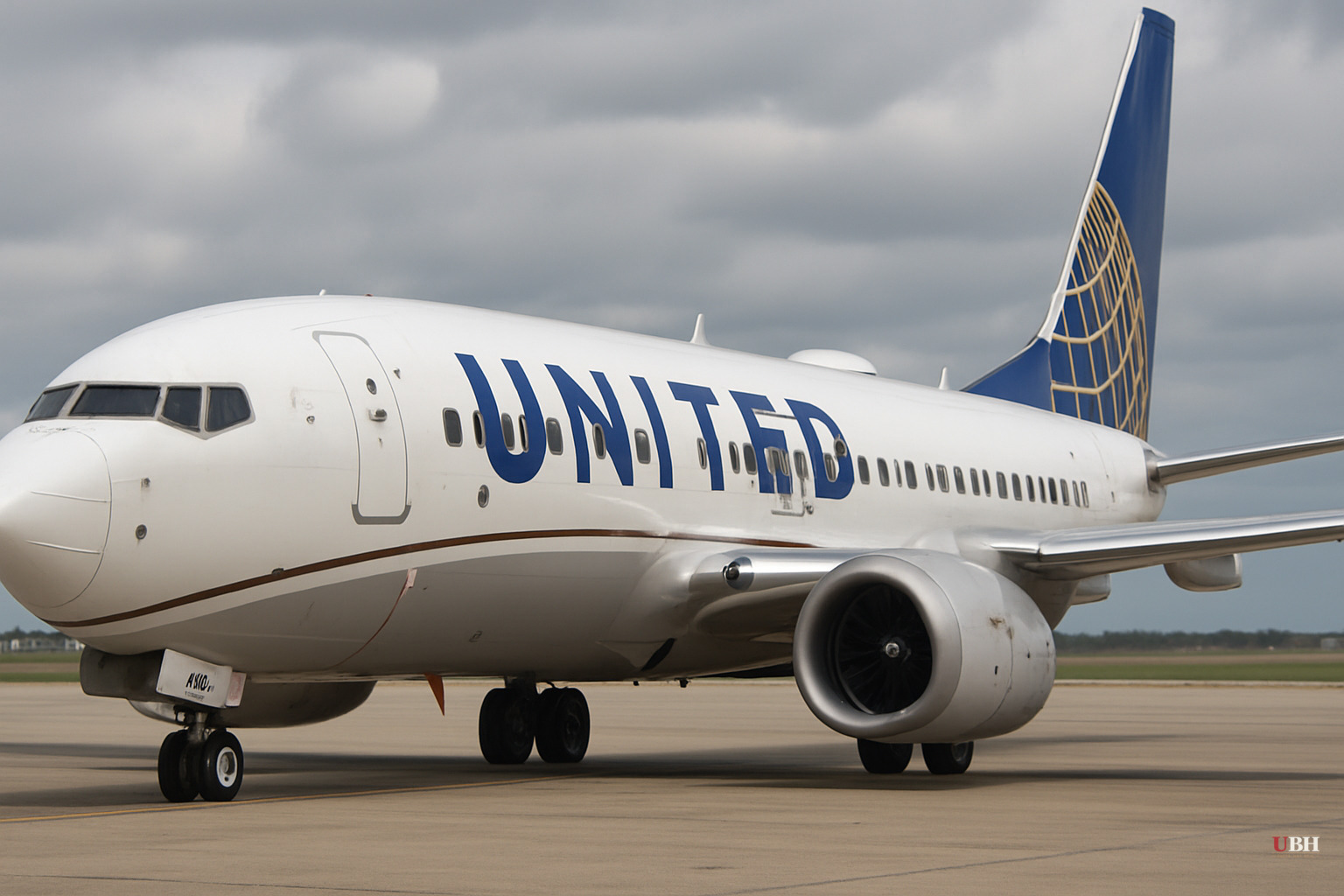
United Airlines beat Wall Street's second-quarter numbers on Wednesday, July 15. Then it told investors fuel costs might wreck a chunk of the year's profit anyway.
Adjusted earnings per share came in at $1.99, ahead of the $1.88 analysts polled by LSEG expected. Revenue hit $17.67 billion, up 16% from a year earlier, according to CNBC. Net income fell more than 17% to $805 million, or $2.46 a share, reflecting one-time items that get stripped out of the adjusted number.
That's the good part. The bad part is fuel.
Iran, Again
Jet fuel prices at major U.S. airports jumped 34% in July alone, through Tuesday, July 14, according to Argus data published by industry group Airlines for America. Reuters, in a report filed from Chicago and carried by WMBD Radio, tied the spike to renewed hostilities between the U.S. and Iran, on top of the U.S. and Israeli strikes on Iran back in late February that already forced United to cut its January guidance once this year.
United's own second-quarter fuel bill rose 84% year-over-year to $2.3 billion. Fuel is the airline's second-biggest expense after labor, and it's not close.
United now says the renewed price surge could tack on nearly $6 billion in added costs for 2026 versus what it budgeted at the start of the year. Reuters reported that just the last two weeks of price moves account for about $575 million of that increase, and that oil prices are up roughly 15% since July 1.
The Guidance Cut Nobody Should Be Surprised By
United forecast third-quarter adjusted earnings of $2.50 to $3.50 a share.
Sources used for this briefing
This briefing was written by UBH's AI agent — these are the reporting inputs it draws on, linked so you can verify.


