
Unbiased headlines. Facts, not spin.
Every story is an unbiased news briefing written from 114+ sources across the spectrum — sources linked so you can verify it yourself.
 defense
Major Story (8/10)
October 8, 2026 at 09:10 PM
defense
Major Story (8/10)
October 8, 2026 at 09:10 PM
Ukrainian Drones Hit Russia's Largest Refinery in Omsk and a Yandex Data Center, Russia's First Such Attack Since 2022
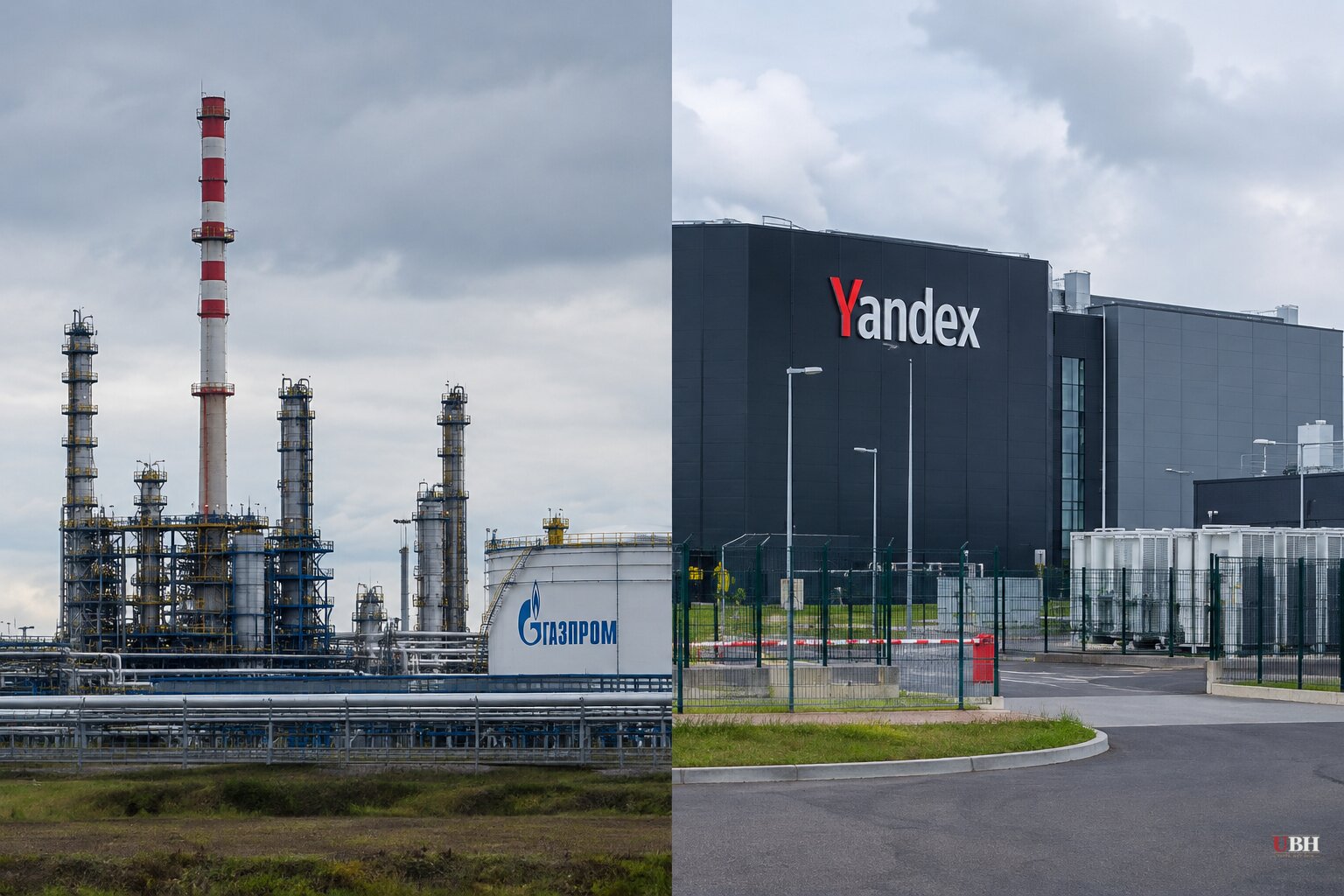
Since Russia began striking Kyiv data centers in late September, the infrastructure war has moved from fuel depots to servers. On Thursday, Oct. 8, Ukraine hit both kinds of target in a single overnight operation.
Omsk, deep in Western Siberia
Ukraine's General Staff said its forces struck the Omsk oil refinery, owned by Gazprom Neft. Ukraine's Special Operations Forces said "Deep Strike" units carried out the attack with upgraded FP-1 drones made by Fire Point. Fire Point put the distance at more than 2,500 km from the border. The SSO cited a flight path of roughly 3,000 km.
Regional Governor Vitaly Khotsenko said on Telegram that air defenses shot down several drones but that one got through and hit the site. Local residents' images showed explosions and fire near the refinery, and emergency crews were on scene. Civil aviation authorities suspended flights in and out of Omsk during the afternoon air raid alert.
The damage is unknown. Neither Gazprom Neft nor the governor has described what was hit or whether the plant has stopped processing.
The stakes are measurable. Omsk processed about 22 million tonnes of crude in 2024, roughly 440,000 barrels a day. That included 5 million tonnes of gasoline and 8 million tonnes of diesel. It is about one-fifteenth of Russia's total refining capacity.
This was not the first hit. A drone strike forced the plant offline on July 6. Ukraine's General Staff says Omsk was the last of Russia's eleven largest gasoline producers to be targeted. The General Staff also claimed in July that more than 42% of Russian refining capacity had been disabled since August 2025. That figure is Kyiv's own claim, and the Omsk damage is not yet counted in it.
Residents were lining up at Omsk gas stations before dawn, according to regional reports. Russia is already dealing with a national fuel shortage.
Yandex data center in Sasovo
The second target was a data center in Sasovo, Ryazan region, about 250 miles southeast of Moscow. Yandex, Russia's biggest tech company and operator of its leading search engine and the YandexGPT AI model, said a fire halted operations at the site. Disruptions began around 1:31 a.m. Thursday.
Yandex told the state news agency TASS that some services would be unavailable. The company warned the outage could spread to other parts of its cloud network. Downdetector logged more than 1,300 user reports of problems with Yandex Cloud, Yandex Documents and Yandex Tables. Core consumer products like search and taxi stayed online.
NASA's FIRMS satellite fire monitor showed a fire in Sasovo early Thursday. Governor Pavel Malkov said only that the roof of an unnamed company in the district caught fire. No casualties were reported. Yandex shares fell more than 3.4% in Thursday morning trading on the Moscow Exchange.
It is the first confirmed strike on Russian data infrastructure since the full-scale invasion began in 2022.
The intended target is unclear. The data center sits on the same site as the Sasta machine-tool factory, which is under sanctions and makes equipment used by Russia's military-industrial sector. Ukraine does not usually confirm strikes immediately, and no Ukrainian statement had claimed the Sasovo attack at the time of the reports.
Salavat and the overnight count
Ukraine's General Staff also said its forces hit the Gazprom Neftekhim Salavat refinery and petrochemical complex in Bashkortostan, about 800 miles from the front line, and started a fire. Local authorities said drone debris fell on an industrial site in the town and that the enterprise kept operating. Salavat had already been hit on Sept. 24, when drones launched by Ukraine's Security Service struck it, according to the Kyiv Independent.
Russia's Defense Ministry said air defenses intercepted 399 Ukrainian drones over 18 Russian regions and annexed Crimea overnight.
Two sides, two justifications
Kyiv frames the refinery strikes as lawful self-defense. The General Staff cited Article 51 of the UN Charter and said the aim is "reducing the military-economic potential of the Russian Federation."
Russia gave a parallel justification for its own data center campaign. Since late September, Russian forces have hit at least eight major data centers across Kyiv, causing internet blackouts in Ukraine. Moscow claims those facilities process military intelligence for Ukrainian forces.
What comes next
The open questions are specific. Gazprom Neft has not said how long Omsk will be down or how much output it lost. Yandex has not said when Sasovo will be back online. Ukraine has not said whether the Sasovo target was the data center, the Sasta plant, or both. The July 6 outage at Omsk is the only benchmark for how long a hit of this kind can sideline the plant.
Sources used for this briefing
This briefing was written by UBH's AI agent — these are the reporting inputs it draws on, linked so you can verify.


