
Unbiased headlines. Facts, not spin.
Unbiased Headlines is an independently owned news organization. We bring you the facts, not opinions, written fresh from 110+ named sources. Sources linked so you can verify it yourself.
 defense
Major Story (8/10)
Event date: October 14, 2026 ·
defense
Major Story (8/10)
Event date: October 14, 2026 ·
Ukraine Resumes Refinery Strikes, Says Russia Ignored Trump's Energy Ceasefire
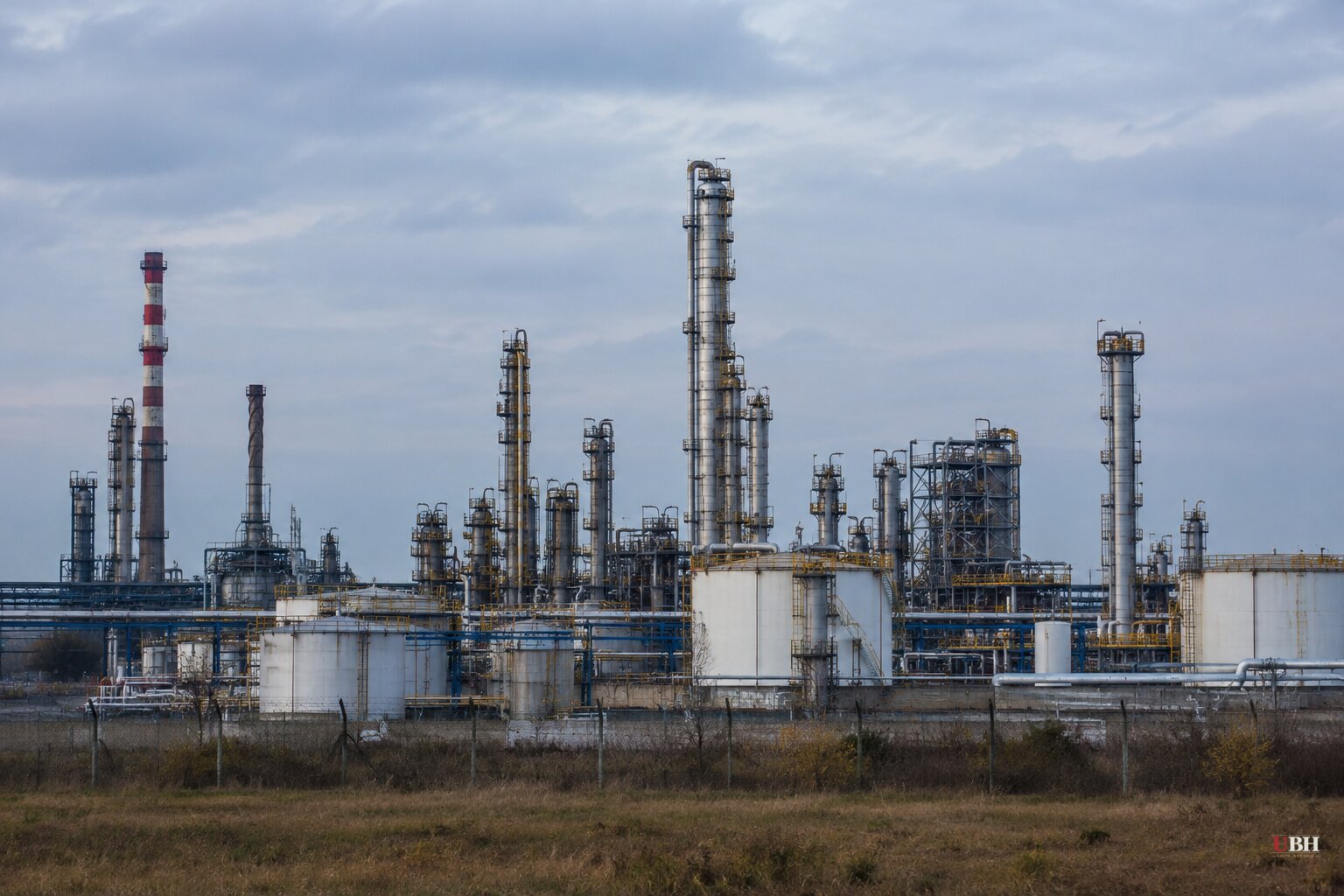
Ukraine hit a Russian oil refinery again today, Thursday, Oct. 15, ending a pause of less than a week.
Pavel Malkov, governor of Russia's Ryazan region, said a large Ukrainian drone attack started a fire at the refinery there. He said damage was still being assessed. The plant belongs to Rosneft and handles almost 5% of Russia's total refining throughput.
A ceasefire announced on Sunday, ignored by Monday
President Donald Trump announced a surprise energy ceasefire between Russia and Ukraine on Sunday, Oct. 11. He had blamed Ukrainian refinery strikes for pushing up diesel prices on global markets. Zelensky said Kyiv held off on refineries after the announcement. Ukraine's last reported refinery hit before today came on Friday, Oct. 9.
Russia did not slow down. Hours after Trump's announcement, Russian forces bombed a series of Ukrainian power plants, according to the Atlantic Council. Kremlin spokesman Dmitry Peskov said Wednesday that details of the ceasefire were "still being decided."
On Wednesday, Oct. 14, Prime Minister Serhii Koretskyi said Russian forces hit all three of Kyiv's combined heat and power plants. Zelensky said at least 600,000 people lost power. Ukrainian officials said Russia fired 39 ballistic missiles and more than 120 drones at energy and critical infrastructure in Kyiv. The Russian Defense Ministry said it struck six power plants in Kyiv, the Kyiv region and the Kharkiv region.
Zelensky said the overnight assault on Oct. 14 alone targeted 26 power facilities. Kyiv's metro lost power temporarily after attacks on Oct. 8 and Oct. 14.
In an interview with the Financial Times published today, Zelensky said of the refinery restraint: "The block is out. We're done." He had earlier warned Kyiv would not hold off indefinitely if Moscow did not reciprocate.
Washington's role
Zelensky has also accused Trump of favoritism toward Russia. Trump struck a deal with Vladimir Putin for the U.S. to import Russian diesel, and Ukrainian officials say it helps Moscow sustain its invasion. Twelve U.S. senators, six of them Republicans, have urged Trump to drop it.
There is a security problem on top of the political one. Zelensky said Tuesday that Kyiv got no advance warning of Russian launches from Western allies for a second night running. He called the withdrawal of U.S. intelligence "dangerous." The U.S. has also slowed deliveries of Patriot interceptors, the only proven defense against hypersonic and ballistic missiles. RFE/RL reports that many were diverted to the Middle East after the war with Iran began in late February. European allies have sent some, but Ukrainian officials say not enough.
Trump's stated aim was to bring down fuel prices. His approval ratings have fallen as diesel and gasoline costs rose, according to RFE/RL. Ukraine's refinery campaign did cause fuel shortages inside Russia, which is why Moscow had every reason to want it stopped. The ceasefire as announced put the restraint on one side only in practice.
What Russia is aiming at
This is a fifth winter campaign, and it looks different from the last. Energy experts told the Kyiv Independent that Moscow now overwhelms air defenses with jet-powered drones and AI-guided loitering munitions, attacks in daylight as well as at night, and hits the rail lines that bring coal to power plants.
The Energy Ministry's press department said there were about 200 hits on power sector facilities and 17 on oil and gas sites in the week of Oct. 5 to 11 alone.
Viktoria Gryb, who chairs the parliament's energy security subcommittee, described the pattern this way: the strikes damage the network, force emergency restrictions and slow repairs, especially when crews cannot work during air-raid alerts.
The New York Times reported that Energy Minister Denys Shmyhal showed European officials what he described as an intercepted Russian plan. The Times viewed a copy but could not verify it. It reportedly calls for more than 1,000 drones, bombs and missiles. The goal is to cut electricity and heat in Kyiv, Kharkiv and Odesa by up to 90%, and to hit water systems and the switchyards connecting nuclear plants to the grid. It aims to remove 15 gigawatts of generating capacity, which is roughly what Kyiv had available at the end of August.
Zelensky has warned Russia has stockpiled as many as 700 ballistic missiles for the winter. One energy official, speaking anonymously to the Kyiv Independent, said Russian drones and missiles have been seen near nuclear plants more often lately. The official said they may be surveillance ahead of a strike, something Moscow has largely avoided so far.
Preparing for the cold
Ukrainians are stockpiling firewood and candles, and portable generators are selling briskly, RFE/RL reports. Officials are weighing pontoon bridges across the Dnieper. Kyiv Mayor Vitali Klitschko and Zelensky's government have traded blame over how prepared the capital is.
The front is not going Moscow's way. Brig. Gen. Andrii Biletskyi, commander of the Third Army Corps, said Ukraine has retaken 277 square kilometers in an operation begun this summer.
Zelensky arrived in London on Wednesday for talks with British Prime Minister Andy Burnham. He could travel to Brussels for an EU summit later this week. Whether the ceasefire Trump announced on Sunday is formally negotiated or simply abandoned is still to be settled, and Peskov has said only that work continues.
Sources used for this briefing
6 links from 6 independent newsrooms (syndicated copies of the same report count once)
These are the sources it draws on, linked so you can verify.


