
Unbiased headlines. Facts, not spin.
Unbiased Headlines is an independently owned news organization. We bring you the facts, not opinions, written fresh from 110+ named sources. Sources linked so you can verify it yourself.
 defense
Major Story (7/10)
defense
Major Story (7/10)
Ukraine Offers Russia a Black Sea Truce as Grain Exports Fall 76%
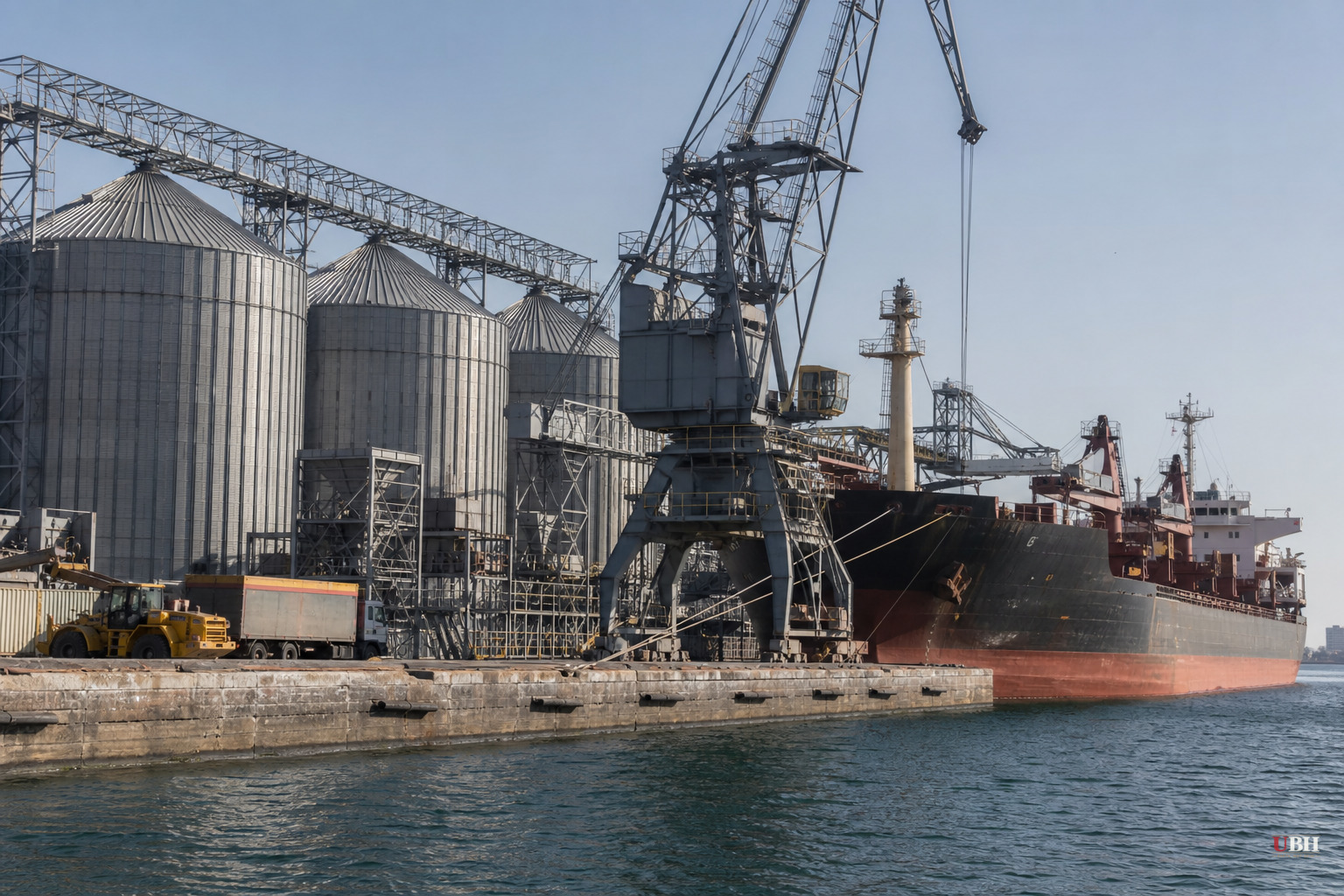
Since Ukrainian missiles and drones forced Russia to suspend all three terminals at Novorossiysk on Wednesday and Thursday, the Black Sea has looked less like a shipping lane and more like a war zone. Ukraine responded by sending Russia a truce offer through a third party on Thursday, August 13, according to Reuters. The proposal covers one thing: a mutual halt to attacks on civilian targets in the Black Sea.
This isn't a peace deal. It isn't even a ceasefire in the broader war. It's a narrow ask to stop hitting ships and ports, because both countries are bleeding out their own agricultural exports trying to strangle each other's.
Ukrainian grain exports have collapsed 76% year-on-year so far in August, according to Reuters. That's most of the trade gone.
How we got here
Ukraine's Odesa region ports, the country's primary grain export hub, saw shipowners bail out in late July after Russian strikes hit dozens of foreign-flagged vessels and port infrastructure, according to Reuters. Kyiv had to scramble for alternative routes. Rail and the Danube River exist as backups, but Ukraine itself says those options are extremely limited.
Russia isn't sitting pretty either. The Ukrainian strikes that knocked out all three Novorossiysk terminals this week mean Moscow will have to cut its own grain exports further, Reuters reported. Novorossiysk is Russia's most important Black Sea export hub.
So both sides are now attacking the infrastructure both sides need. That's the backdrop for Thursday's offer.
Turkey's role, and Russia's denial
Turkey has been involved in trying to broker something here since around August 9-10. Turkey conveyed its concerns about the attacks to both Russia and Ukraine, saying both countries should declare a moratorium on attacks in the Black Sea, according to Reuters.
Russia's response, at least publicly, has been to deny anything formal exists. Deputy Foreign Minister Alexander Grushko told Russia's state news agency TASS: "Recently, we have been hearing many calls for various kinds of moratoriums and truces. These ideas are being put forward through various channels, but we have not received any formal proposals."
That statement came before Reuters' report on Ukraine's specific offer surfaced Thursday. Neither the Kremlin nor Russia's foreign ministry responded to a request for comment on the report itself, according to Reuters.
Grushko's denial is plausible given the offer was routed through a third party rather than direct channels. Diplomatic back-channel offers often get publicly disavowed by the receiving government until, or unless, they're ready to engage. That's a legitimate distinction between "no formal proposal received" and "we're ignoring this." Whether Grushko's statement reflects that distinction or is simple stonewalling, only Moscow knows, and the sourcing here doesn't establish which.
Markets reacted, then settled down
Euronext wheat futures had been climbing toward a two-week high on supply fears. Once the Reuters report on Ukraine's offer hit wires Thursday, those wheat contracts pared their gains in choppy trading, according to Euronext's own market coverage and Reuters.
That's a market betting, at least partially, that de-escalation in the Black Sea is possible. Prices didn't collapse, they just gave back some gains.
Why this isn't the 2022 grain deal, round two
The comparison people will reach for is the deal brokered by the United Nations and Turkey after Russia's 2022 invasion, which let Ukrainian grain keep moving to stave off a looming food crisis. Russia refused to renew that agreement in 2023. Ukraine then set up its own sea corridor that functioned until this latest wave of strikes.
The current situation is arguably more militarily intense than what preceded the 2023 collapse of that deal, according to Reuters. Both nations' key ports have taken direct hits within the same window this week. That's a different animal than a slow-motion blockade.
What's unresolved
As of Thursday, Ukraine was still waiting for a response to its offer, according to Reuters. No timeline has been given for a response. The offer's narrow scope, civilian targets only, means even if both sides agree, military operations elsewhere in the Black Sea and along front lines would continue unaffected.
Whether Turkey's mediation produces an actual accepted moratorium, or whether this becomes another proposal that dies quietly like the 2023 grain deal renewal, is the open question hanging over wheat markets and food-import-dependent countries watching from the sidelines.
Sources used for this briefing
6 links from 6 independent newsrooms (syndicated copies of the same report count once)
These are the sources it draws on, linked so you can verify.


