
Unbiased headlines. Facts, not spin.
Unbiased Headlines is an independently owned news organization. We bring you the facts, not opinions, written fresh from 110+ named sources. Sources linked so you can verify it yourself.
 health
Low Interest (3/10)
Event date: November 10, 2026 ·
UKHSA Cold-Health Alerts for North West and West Midlands Take Effect as Arctic Air Pushes Lows Toward -7°C
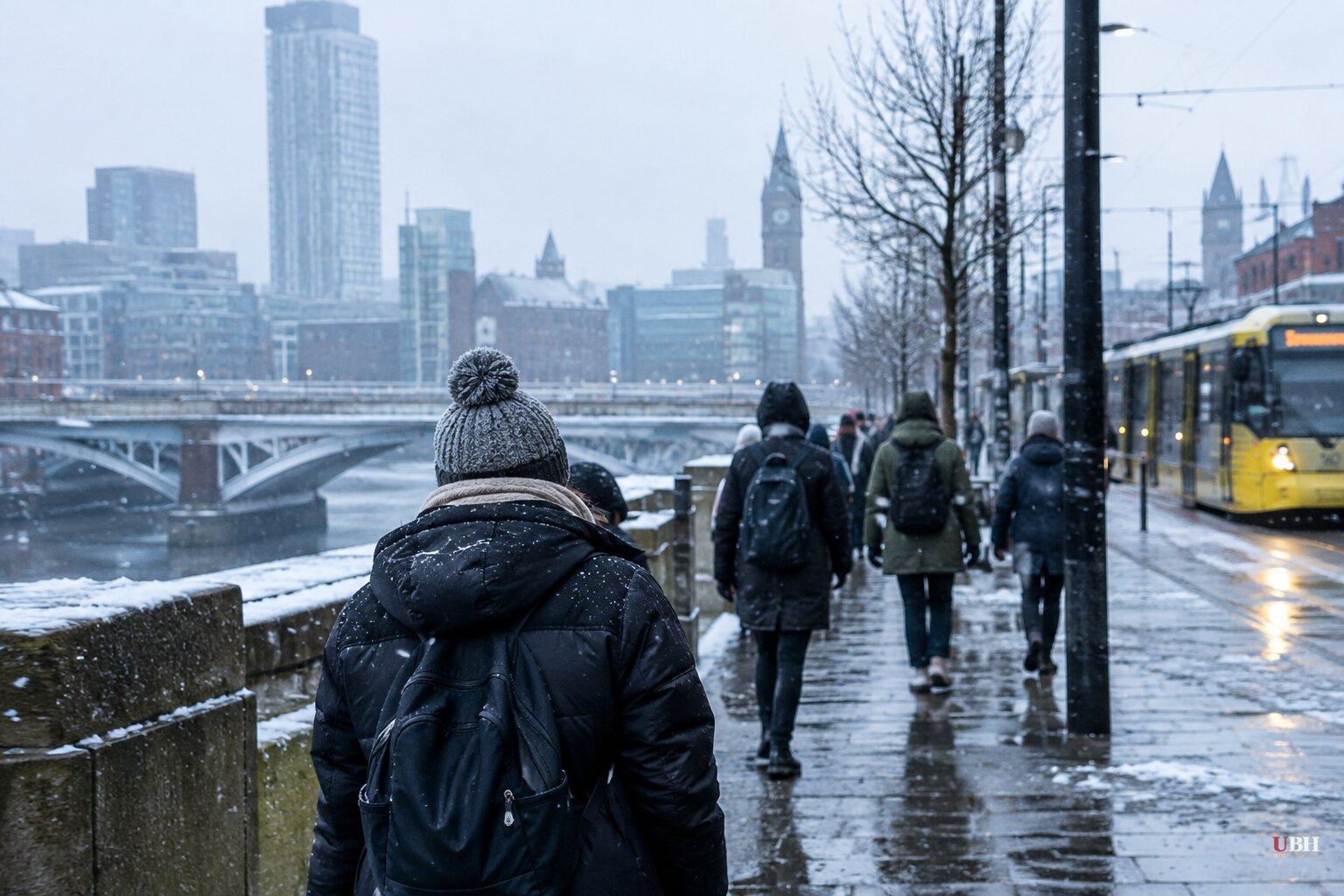
Since UKHSA issued the first cold-health alert of the 2026/27 winter on Nov. 10, the cold it warned about has arrived. Northerly winds are bringing Arctic air across the UK, and the alerts are due to take effect at 9am today, Nov. 12.
What the alert covers
The yellow alerts cover the North West and West Midlands regions of England. They run until 12pm on Saturday, Nov. 14. UKHSA issued them with the Met Office. Other English regions are not covered.
UKHSA says a yellow alert is for cold that is unlikely to affect most people but could affect the particularly vulnerable. That means people aged 65 and over, people with respiratory or cardiovascular conditions, and people sleeping rough. The agency says cold weather can increase use of health care services among those groups.
The alerts are separate from the Met Office's National Severe Weather Warning Service. UKHSA says its alerts focus on health impacts in England, while the weather warning service covers wider severe-weather risks across the UK.
Dr Anya Gopfert, a consultant in public health at UKHSA, said: "This is the first cold-health alert of the winter, but we can expect more as we move further into the season." She urged people to check on friends, family and neighbours who are most vulnerable, keep homes heated where possible and dress warmly.
How cold it gets
Afternoon highs today are forecast at 6°C to 10°C for most of the UK. Wind chill will make it feel colder, especially on northern and eastern coasts.
The strongest winds are expected in north-east Scotland, where gusts could reach 50 to 60mph. Showers will fall as rain, sleet and hail in northern Scotland, with a little snow possible over high ground. The BBC's forecast calls that unremarkable for November.
Tonight is forecast to be one of the most widely cold nights of the autumn so far. Lows could reach -7°C, with widespread frost and some icy stretches, particularly in northern Scotland.
The Met Office recorded -6.2°C at Tyndrum overnight into Wednesday. Its forecasts, as relayed by the Daily Mail, put rural lows as low as -8°C in Scotland over the three nights from Wednesday through Friday. They also show -7°C in northern England on Thursday night and -8°C in the South on Friday night.
Friday brings more sunshine and lighter winds for many, though northern Scotland stays blustery. Showers are most likely in Northern Ireland, Wales, north-west England and Scotland. Another frost is expected Friday night.
How long it lasts
This looks like a short spell. The weekend stays chilly, but temperatures begin to climb by a degree or two. Milder, more unsettled Atlantic weather is forecast to push in, with Saturday and Sunday nights remaining frosty in some southern and eastern areas before conditions ease next week.
The polar vortex question
Some forecasters have said the polar vortex could weaken unusually early this year, in mid-November. The Met Office has said a weakening vortex raises the likelihood of colder, drier spells in the UK, particularly if winds turn easterly or northerly. The 2018 "Beast from the East" was linked to a sudden stratospheric warming.
No agency has tied this week's alert to that process. HuffPost UK noted that the alert was not explicitly linked to the polar vortex or to this year's super El Niño, and there is no guarantee the vortex will break down.
The issue is not limited to Britain. The U.S. National Weather Service's Climate Prediction Center said in its November outlook that forecast models "indicate the potential for a stratospheric polar vortex disruption" that could develop into a sudden stratospheric warming. It called that "very rare" for November.
The center said effects of such an event could last up to two months. It also noted "some potential for troughing to settle over the Southeast by the end of the month." NOAA research says a weakened vortex can let Arctic air move much farther south, though predicting when and where remains difficult.
An SSW does not guarantee a cold outbreak, and any effect would not be immediate. Newsweek's reading of the outlook puts late November and December as the period to watch in the U.S.
What happens next
The two English alerts expire at noon Saturday, Nov. 14. UKHSA has said more alerts are likely as winter goes on. Whether a stratospheric disruption actually materialises, and whether it brings colder weather to the UK or the U.S., will not be known until forecasters see how the vortex behaves over the coming weeks.
Sources used for this briefing
7 links from 7 independent newsrooms (syndicated copies of the same report count once)
These are the sources it draws on, linked so you can verify.


