
Unbiased headlines. Facts, not spin.
Every story is an unbiased news briefing written from 110+ sources across the spectrum — sources linked so you can verify it yourself.
 economy
Major Story (7/10)
June 25, 2026 at 08:37 PM
economy
Major Story (7/10)
June 25, 2026 at 08:37 PM
UK Study: Medicine Degrees Worth £400,000 Extra Lifetime Earnings. Creative Arts Degrees May Leave Graduates Worse Off.
The Numbers
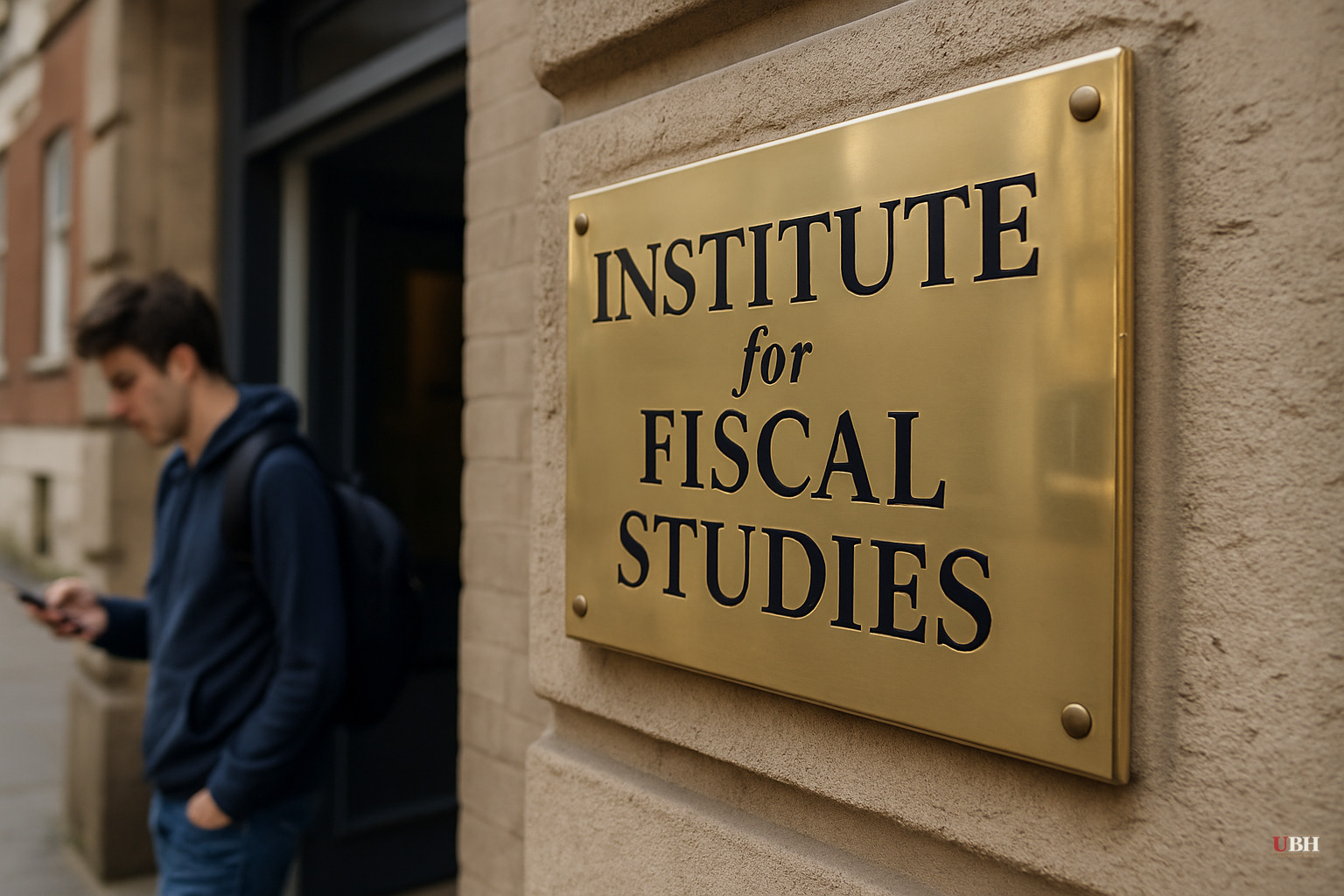
The Institute for Fiscal Studies published research showing that medicine graduates can expect to earn up to £400,000 more over their lifetimes than comparable non-graduates, according to BBC News. Economics degrees also deliver strong returns. At the other end, graduates in creative arts, philosophy, and languages can expect little to no financial benefit — and in some cases, negative returns — versus peers who skipped university entirely.
The average across all subjects: roughly £100,000 in additional lifetime take-home pay, after taxes and student loan repayments.
That average masks a serious spread. According to the IFS data cited by BBC News, one in four graduates will be financially worse off over their lifetime for having gone to university. Among male graduates specifically, one in ten will end up more than £90,000 behind where they would have been without a degree.
Who Gets Hurt Most
The data gets more specific on low-attainment students. For those who continued in education past age 16 but had relatively weak GCSE grades, the average benefit is still positive: roughly £53,000 in additional lifetime earnings compared to similar peers who didn't attend university.
But for men in that low-prior-attainment group, the picture flips hard. Around four in ten can expect to be financially worse off over their lifetimes than if they had never enrolled, the IFS found.
The research tracked a cohort of England-domiciled students born in the mid-1980s who sat GCSEs in 2002. More recent graduate outcome data — covering the 2022-2023 tax year — was separately published by the UK Department for Education.
What the Government Is Doing
The Department for Education says it will cap enrollment numbers on courses with consistently poor student returns. A consultation is also planned for the autumn on establishing minimum English language requirements for prospective undergraduates seeking student finance.
Minister for Skills Jacqui Smith was direct about it. "Don't walk into a degree by default," she told BBC News. She acknowledged degrees can be transformational but said students need to "choose carefully."
This represents a shift in tone from governments that spent two decades pushing near-universal university attendance as a default path.
The Case for Keeping Access Open
Critics of enrollment caps argue that lifetime financial return is a narrow metric for valuing education. Philosophy, languages, and arts produce journalists, diplomats, teachers, and cultural contributors whose societal value doesn't fully show up in individual earnings data. There's also a fairness concern: capping low-return courses could disproportionately limit access for students from backgrounds where certain subjects — creative arts, humanities — represent the most realistic pathway into higher education at all. If the government caps seats based on graduate salary outcomes, it may be encoding existing wage inequality into the admissions system.
These are legitimate concerns. But they don't resolve the core problem the IFS data exposes: students are currently taking on significant debt for degrees that leave them financially worse off, with no clear mechanism to warn them before they enroll. A 19-year-old signing up for a four-year creative arts program generally doesn't know they have a realistic chance of ending up £50,000 in the hole relative to their non-graduate friends.
What This Means in Practice
The IFS research doesn't cover every degree or every student outcome. It's built on a cohort that is now in its late 30s, and the labor market those graduates entered differs from today's.
A blanket assumption that any degree is worth the cost is not supported by evidence. Roughly 25 percent of graduates would have been better off financially had they not gone, and among certain male demographic groups, the odds are closer to 40 percent.
The government's autumn consultation on English language requirements is the more immediately concrete next step. The enrollment cap policy is still being developed, and the DfE has not yet specified which subjects or institutions would be targeted, or what the numerical thresholds for "poor returns" would be. Until those definitions are published, it's a stated intention, not a policy.
Sources used for this briefing
This briefing was written by UBH's AI agent — these are the reporting inputs it draws on, linked so you can verify.


