
Unbiased headlines. Facts, not spin.
Every story is an unbiased news briefing written from 110+ sources across the spectrum — sources linked so you can verify it yourself.
 economy
Major Story (7/10)
June 25, 2026 at 01:45 PM
economy
Major Story (7/10)
June 25, 2026 at 01:45 PM
Core PCE Inflation Hits 3.4% in May, Highest Since Late 2023, as Iran War Energy Costs Spread Through Economy
What the Numbers Say
The Commerce Department's May PCE report, released Thursday, showed core inflation — which strips out food and energy — running at 3.4% annually, up 0.3% for the month. That's the highest annual reading since October or November 2023, depending on the rounding, and both figures matched the Dow Jones consensus estimate.
Headline PCE, which includes food and energy, came in at 4.1% annually — the highest since April 2023 — with a 0.4% monthly jump. That monthly figure was 0.1 percentage point below forecasts, a small miss that neither CNBC nor ZeroHedge treated as meaningful relief.
Energy drove the largest single monthly increase, with energy goods and services prices up 4% for the month alone, according to the Commerce Department data. Housing costs rose 0.3%. Financial services and insurance jumped 1.2%.
Where the Pain Is Coming From
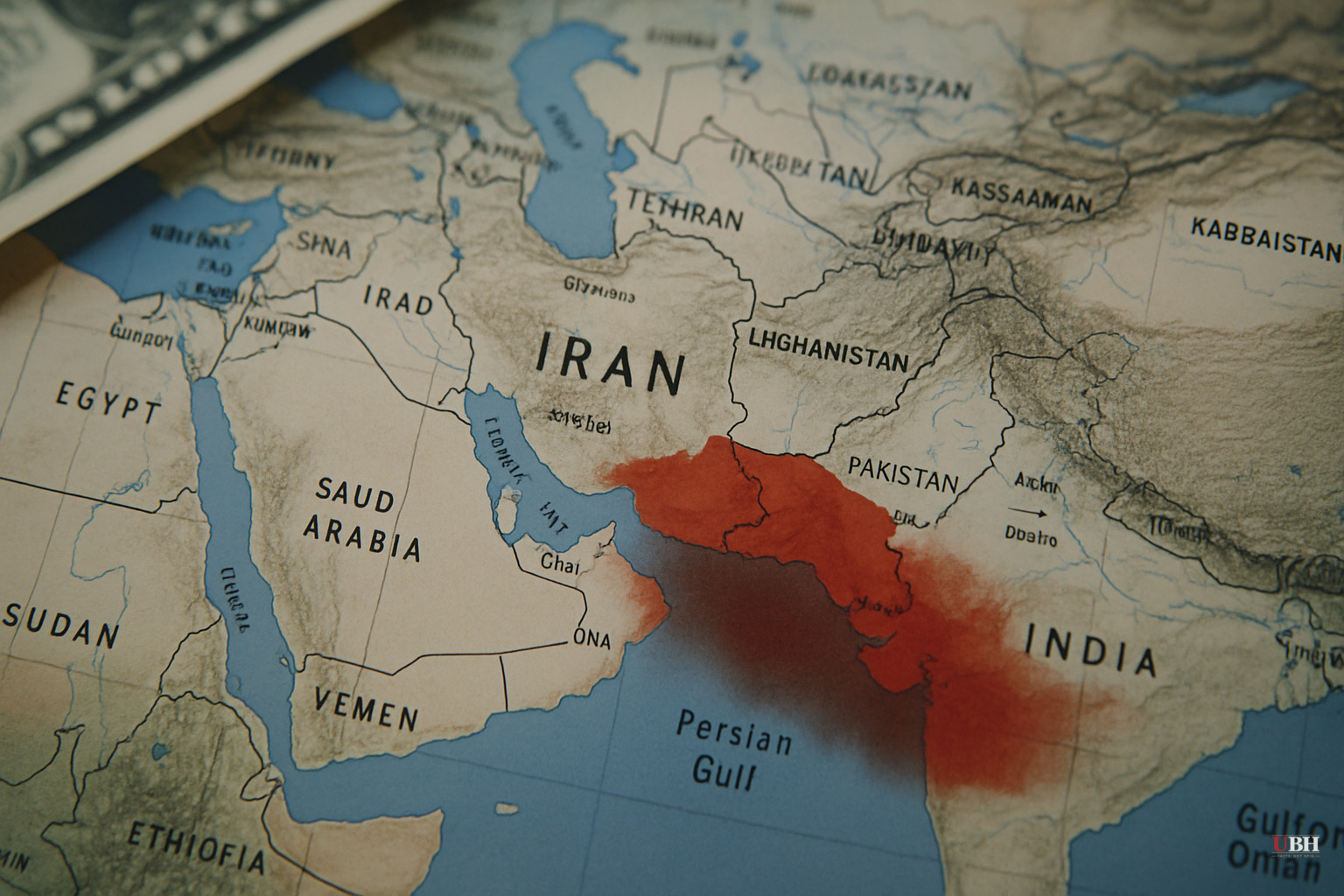
The Iran war is the primary engine here. Energy costs tied to the conflict have been accelerating since earlier this year, and they're no longer staying in the gas pump. They're seeping into utilities, freight, and manufacturing inputs, which is why services inflation is now the bigger concern.
ZeroHedge flagged that services costs picked up again in May while durable goods held flat and non-durable goods inflation actually decelerated. That services trend matters: it's stickier and harder to kill with rate hikes than a commodity spike.
ZeroHedge also noted that the semiconductor cost component — which carries roughly 30 times the weight in PCE that it does in CPI — appears to have stalled in its recent surge. If accurate, that's a small piece of potential relief buried in an otherwise ugly report.
Spending Is Holding Up. Savings Aren't.
Personal consumption expenditures rose 0.7% for the month, one-tenth of a point above forecasts. Personal income also climbed 0.7%, well above the 0.4% forecast. Real personal spending is up 2.1% year over year, according to ZeroHedge.
That looks like a resilient consumer. But the savings rate tells a different story. At 3.0%, it's near its lowest point since 2022. ZeroHedge noted the savings rate has been revised upward each month of 2026 and is still barely above record lows.
Economist Heather Long told CNBC: "Inflation is at a 3-year high due to the war in Iran and it's painful for middle-class and moderate-income Americans. People are spending more on gas, along with healthcare and utilities."
High spending alongside a shrinking savings cushion is not a sign of consumer strength. It's a sign consumers are burning reserves to keep up.
Warsh's Fed Is Not Going to Blink
Fed Chair Kevin Warsh has been unambiguous. At the Federal Open Market Committee's meeting roughly ten days ago, the FOMC adopted language stating it would "deliver price stability" — a direct acknowledgment that it has missed its 2% inflation target for five consecutive years. The committee pulled a previously indicated rate cut off the table and flagged a rate hike as the more likely next move. Traders, according to CNBC, continued to price in a September hike after Thursday's release, though with slightly lower probability.
ZeroHedge cited Goldman's Rich Privorotsky on one legitimate complication: much of this May data predates the recent pullback in oil prices toward pre-conflict levels. If crude has genuinely rolled back, the June PCE report due in late July could look meaningfully different. Warsh has also abandoned forward guidance as a tool, which Privorotsky said should produce "more volatility around these releases than we have seen historically."
The Strongest Case for Patience
The argument against hiking aggressively right now deserves a fair hearing. When inflation is supply-driven — caused by a war disrupting energy markets rather than by excess demand — rate hikes are a blunt instrument. They raise borrowing costs for businesses and households, but they can't produce more oil or end a geopolitical conflict. Hiking into a supply shock has historically damaged the real economy without delivering much price relief. If oil is already retreating, a September hike could tighten into a disinflationary environment and cause unnecessary damage.
That concern is real. Fed officials themselves acknowledge they "generally look through" supply-driven spikes, according to CNBC. The question Warsh has to answer is whether this one has become embedded enough in services and wages to require a demand-side response anyway.
The AP Source Problem
The AP article titled "Inflation cools in May" was inaccessible — its full content did not load. That framing, if accurate, would be a meaningful divergence from the actual data, which showed core PCE rising to a three-year high. A 3.4% annual rate and a 4.1% headline rate after months of acceleration is not "cooling" in any conventional sense. Without the full AP text, it's impossible to know what evidence they cited for that characterization, but the headline framing is at odds with what the Commerce Department published.
What Happens Next
Warsh has no scheduled press conference before the FOMC's next meeting. The June PCE report, the first one that will capture post-conflict oil price behavior, is due in late July and will be the decisive data point for whether September's hike is locked in or reconsidered.
Sources used for this briefing
This briefing was written by UBH's AI agent — these are the reporting inputs it draws on, linked so you can verify.


