
Unbiased headlines. Facts, not spin.
Unbiased Headlines is an independently owned news organization. We bring you the facts, not opinions, written fresh from 110+ named sources. Sources linked so you can verify it yourself.
 tech
Major Story (7/10)
Event date: October 17, 2026 ·
UK Regulator Proposes Strategic Market Status for Microsoft in Business Software; Microsoft Disagrees
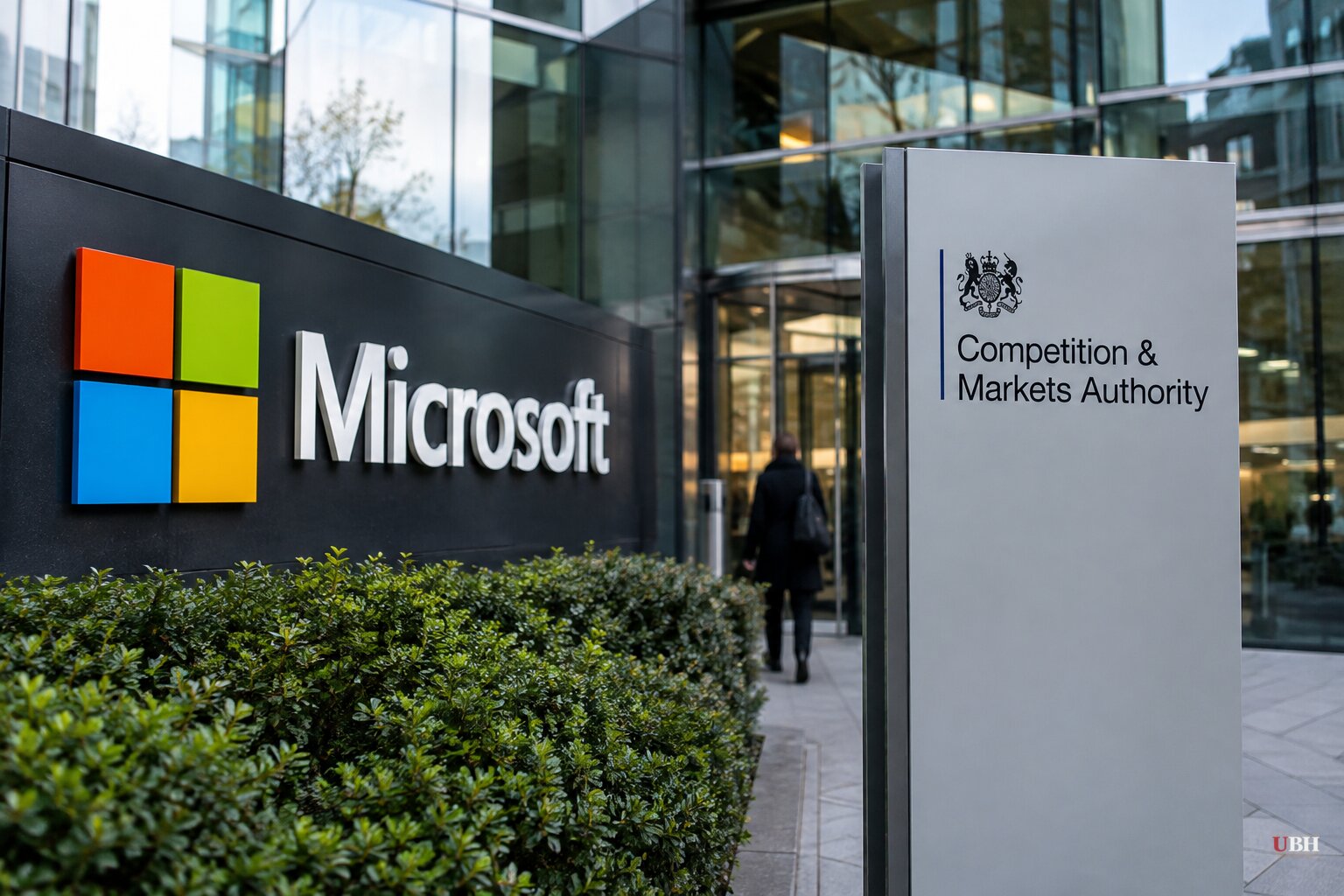
Britain's competition regulator wants new powers over how Microsoft sells business software. Microsoft says the regulator has it wrong.
The Competition and Markets Authority (CMA) proposed on Friday, Oct. 16, to designate Microsoft with "strategic market status" (SMS) in its business software ecosystem. The CMA opened its investigation in May 2026. A final decision is expected in February 2027.
What the CMA found
The regulator says Microsoft holds a strong position in each of five areas: PC operating systems, productivity software, security software, server operating systems, and relational database management systems such as SQL Server.
The CMA says those products reach more than a million businesses and public sector organisations. About 20 million people in the UK use them every month.
The regulator's explanation for that position is switching barriers. It points to commercial practices and integration advantages that make it hard for customers to leave Microsoft or to run rival products alongside it. That, the CMA says, limits the pressure competitors can put on the company.
What designation would and would not do
SMS comes from the Digital Markets, Competition and Consumers Act 2024. A company must clear a turnover threshold, hold substantial and entrenched market power, and hold a position of strategic significance in the activity in question.
The CMA stressed that designation describes a position of market power. It does not assume wrongdoing, and it changes nothing in the market by itself. Any intervention would follow in a separate step.
What designation does is open the door. The CMA could then consider targeted conduct requirements or pro-competition interventions. If confirmed, Microsoft would become the third company under the UK regime, after Google and Apple.
The roadmap: cloud, AI, Teams and security
The CMA laid out an indicative roadmap covering four areas: cloud licensing, AI features in productivity software, communications and collaboration software such as Teams, and security software.
It wants more evidence on three questions. Can customers freely choose AI tools other than Copilot? Does Microsoft's bundling of security products limit choice? Can customers choose which cloud runs their software licences?
The regulator is also looking at whether rival AI providers compete on a level field against Copilot. It describes the timing as an AI inflection point. Its argument is that the market is still open but could close if Microsoft's ecosystem does not work smoothly with rival AI providers.
CMA chief executive Sarah Cardell framed the goal this way: "Organisations should be able to choose the products that work best for them, switch provider when they want to and combine services from different suppliers."
Microsoft's response
Microsoft rejects the premise. A spokesperson said the company does not share the CMA's view.
"All our products, including Copilot, are open and interoperable, giving customers the ability to use them alongside competing services," the spokesperson said.
That is a factual dispute the consultation is meant to test. The CMA says switching barriers are real and measurable. Microsoft says customers can mix and match freely. Neither side's claim has been tested in a final decision.
Cloud talks outside the formal process
Separately, the CMA reported progress in its engagement with Amazon Web Services and Microsoft on cloud. It said both companies have connected their datacentres with rivals, starting with Google, and removed data transfer fees for customers switching cloud providers. Both also introduced a mechanism for customers and competitors to request greater interoperability.
That track sits outside the SMS designation process.
The conservative question: ex ante regulation
There is a real tension here. Fast-moving software markets are exactly where a regulator's guess about the future can go wrong. Pre-emptive rules on bundling and pricing can freeze products in place, raise compliance costs, and hand bureaucrats design decisions that customers and engineers used to make.
The counterweight is that the findings are provisional, designation is not a penalty, and the CMA says any rules would need to be targeted. Whether the later conduct requirements stay narrow is the thing to watch.
Timeline
The public consultation on the proposed designation closes at 5pm on Nov. 13, 2026. The CMA will then weigh responses and make its final call on designation in February 2027. If Microsoft is designated, the first real test will be which conduct requirements the CMA proposes on cloud licensing, Copilot and security bundling, and how narrowly it writes them.
Sources used for this briefing
7 links from 7 independent newsrooms (syndicated copies of the same report count once)
These are the sources it draws on, linked so you can verify.


