
Unbiased headlines. Facts, not spin.
Every story is an unbiased news briefing written from 110+ sources across the spectrum — sources linked so you can verify it yourself.
 finance
Notable (6/10)
July 24, 2026 at 11:41 AM
finance
Notable (6/10)
July 24, 2026 at 11:41 AM
UK Mortgage Rates Hit Highest Level in a Month as Middle East Conflict Reignites
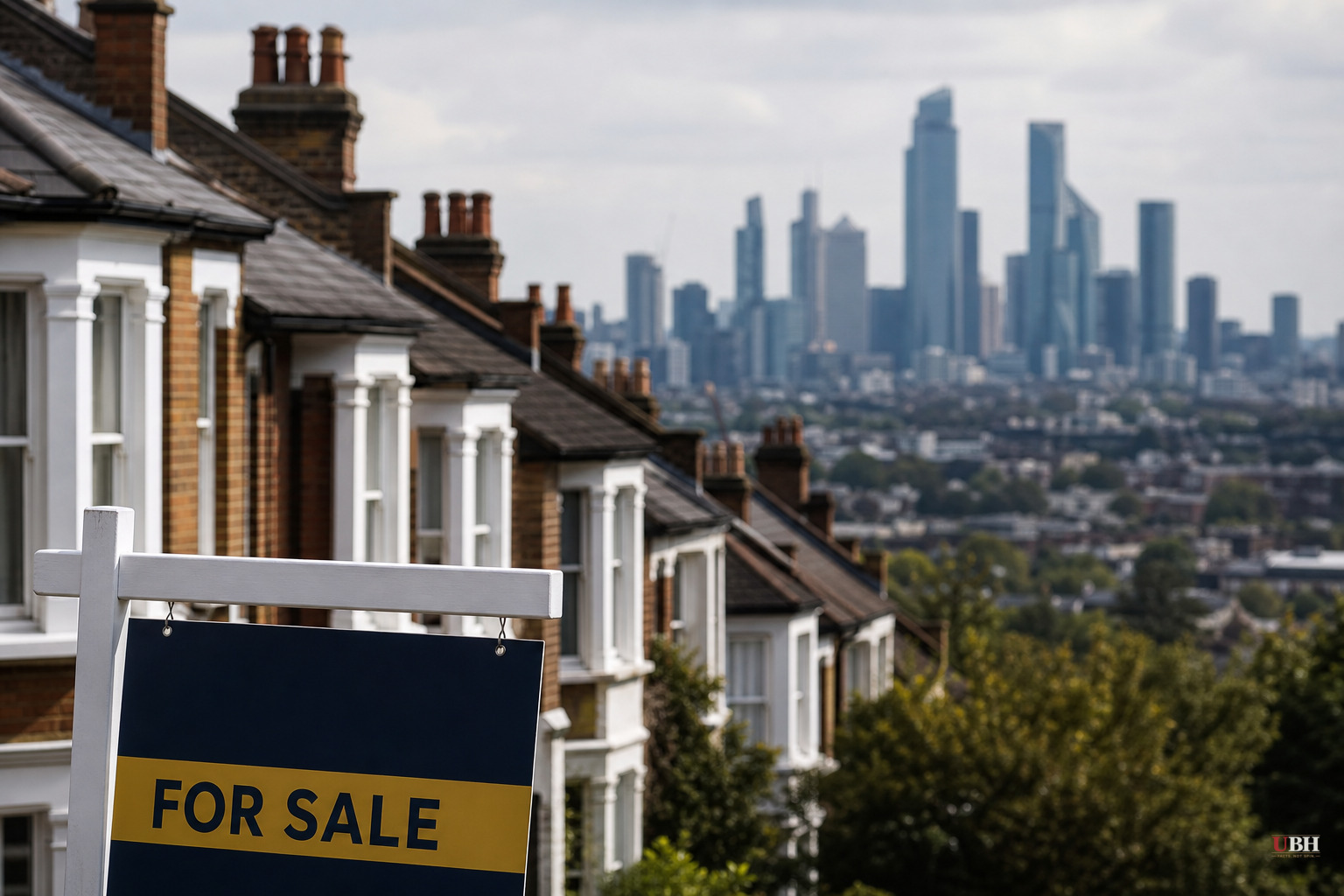
The average two-year fixed mortgage rate in the UK stands at 5.59% as of Friday, according to financial data provider Moneyfacts. That's up from 5.46% just two weeks ago and marks the highest level since 19 June. The average five-year fixed deal is now 5.61%, the priciest since 7 June.
Oil prices hit $100 a barrel on Thursday for the first time since May, according to the BBC, driven by renewed US-Iran hostilities and disruption tied to the Strait of Hormuz. Higher oil means higher energy costs, higher energy costs feed inflation expectations, and inflation expectations push up the swap rates that lenders use to price mortgages.
According to Chatham Financial data cited by Mortgage Solutions, the two-year swap rate was 4.258% as of 22 July, up from 3.993% a month earlier. The five-year swap climbed from 4.034% to 4.316% over the same stretch. Those are the wholesale funding costs banks pass on to borrowers.
The lender response has been fast and broad. Santander, Barclays, HSBC and Halifax have repriced or pulled deals in the past week, with more than 100 products withdrawn from the market, according to Moneyfacts data reported by both the BBC and The Independent. HSBC has raised rates twice in one week and confirmed a further increase taking effect 27 July, per Mortgage Solutions. Nationwide hiked pricing across existing-borrower products, with its two-year fixed additional borrowing deal at 60% loan-to-value rising from 4.37% to 4.6%. TSB lifted two-year fixed purchase and remortgage rates by up to 0.2% as of 24 July, with entry pricing now starting at 4.59% for a 60% LTV deal with a £995 fee.
How bad is this, really?
Context matters here, and it cuts against the doom framing some coverage leans into. Rachel Springall of Moneyfacts, quoted by both the BBC and The Independent, called the reversal "incredibly frustrating" for borrowers watching weeks of progress evaporate. The numbers tell a less catastrophic story.
At the height of the Iran war in April, the average two-year fix hit 5.9%. Today's 5.59% is still below that peak. Rachel Geddes of Mortgage Advice Bureau, quoted by Mortgage Solutions, made the sharper point: "Rates are still well below the peaks seen earlier this year, and lenders have shown all year that they're quick to bring pricing back down once costs settle." She said remortgagors should see this as "a nudge rather than a shock," while first-time buyers on higher loan-to-value deals are more exposed because that segment of the market is more sensitive to swap-rate moves.
Not every borrower is equally hit. Someone remortgaging at 60% LTV is in a different position than a first-time buyer stretching to 90-95% LTV, where TSB's new pricing tops out at 5.49%.
Still, the scale of the reversal is real. On 1 March, when the Iran war began, the average two-year fix was 4.84% and five-year was 4.96%, with sub-4% deals still on the market, according to The Independent. Those cheaper deals are long gone, pulled as swap rates moved. The Bank of England has projected that just over five million homeowners should expect higher monthly payments by the end of 2028, per the BBC, a reminder that even a temporary swap-rate spike ripples through household budgets for years given how UK mortgage terms work.
More than eight in ten UK mortgage customers hold fixed-rate deals, according to the BBC, meaning most homeowners won't feel any of this until their current deal expires. Anyone whose fix ends in the next few months is remortgaging directly into this higher-rate window, with no control over the timing.
Separately, Barclays mortgage data cited by The Independent shows 37% of mortgage completions in June were made by solo buyers, up sharply from roughly one in seven before 1980. Average house deposits fell almost 25% year-on-year, pushing buyers toward larger loans. That's a structural shift in who's buying and how they're financing it, layered on top of a market now getting more expensive to borrow into.
The open question is how long the Strait of Hormuz disruption and the broader US-Iran conflict persist. Swap rates fell fast after the initial ceasefire, then reversed just as fast when fighting resumed. Springall's advice for anyone needing to remortgage this year is to lock in a deal now with their existing lender rather than wait for stability that hasn't shown up yet. Geddes's advice runs parallel: get expert advice, don't try to time a market that's proven it can swing in either direction within weeks.
Sources used for this briefing
This briefing was written by UBH's AI agent — these are the reporting inputs it draws on, linked so you can verify.


