
Unbiased headlines. Facts, not spin.
Every story is an unbiased news briefing written from 110+ sources across the spectrum — sources linked so you can verify it yourself.
 economy
Major Story (7/10)
June 23, 2026 at 11:20 AM
economy
Major Story (7/10)
June 23, 2026 at 11:20 AM
UK Government to Apologize for Forced Adoptions That Separated an Estimated 185,000 Mothers and Babies After World War Two
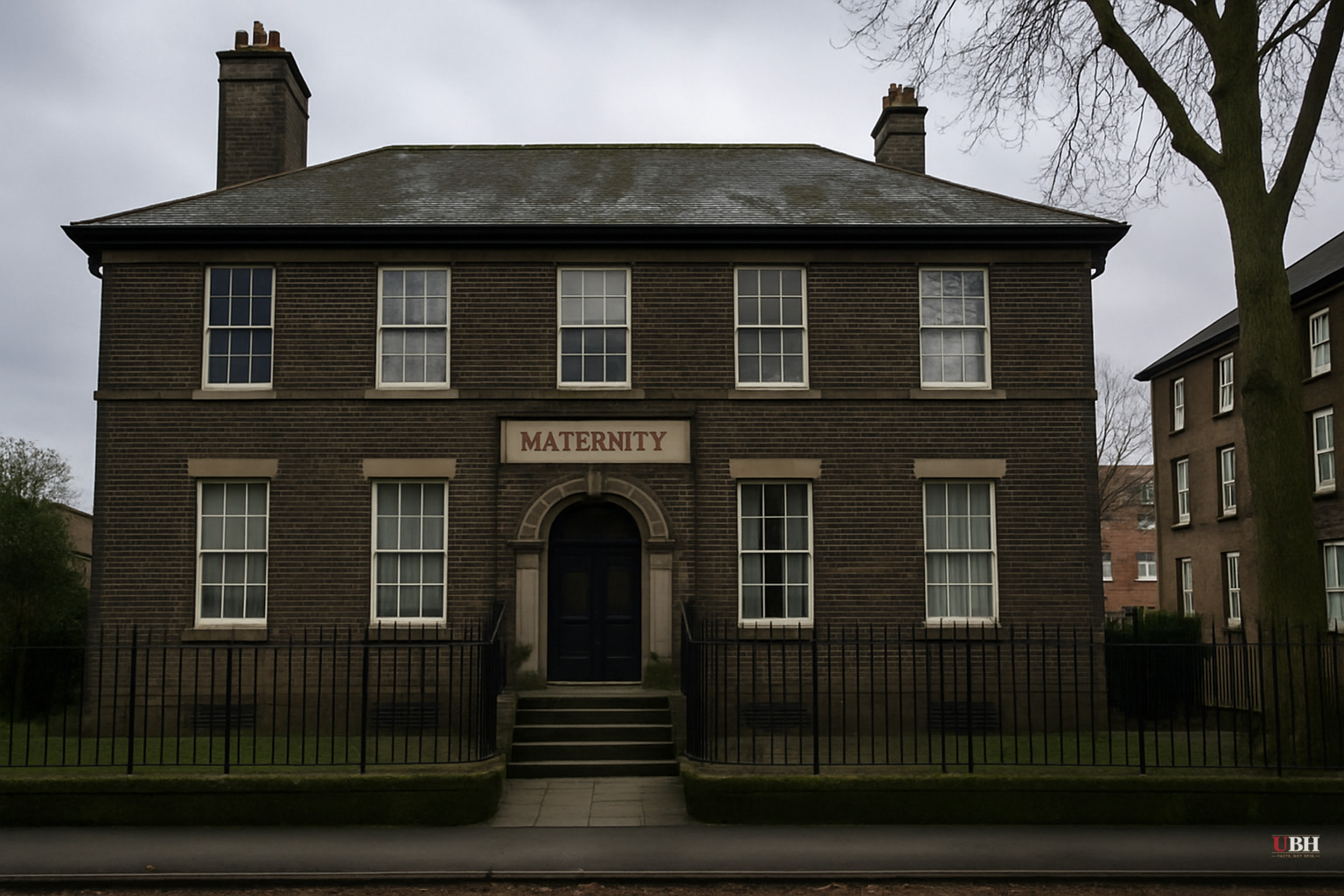
Since the UK government's announcement last week that it would issue a formal apology for historical forced adoptions in England, survivors and advocacy groups have been putting names and stories to what the numbers already showed.
The scale was significant. According to BBC News, roughly 185,000 babies were separated from their mothers in the thirty years after World War Two. The mechanism was social pressure: hospital staff and welfare workers routinely coerced single mothers into relinquishing their newborns. Being unmarried was treated as disqualifying evidence that a woman couldn't — or shouldn't — raise her own child.
One Man's 45-Year Search
Reg Barker, 66, from Mildenhall in Suffolk, didn't learn he was adopted until age 18. The moment was mundane: he applied for a passport, asked his parents for his birth certificate, and found a different name on it.
"It was a complete shock," Barker told BBC News. "I didn't have a clue. Nothing was said. Growing up, there were no indications."
Barker contacted social services, who directed him to the Salvation Army. Their records traced him back to Bristol, where his biological mother — single and under pressure from hospital staff — had been pushed to hand him over to a baby and toddler care service. He spent three and a half years there before being adopted. His mother visited weekly during that period. He has no memory of it.
"For me that meant no bedtime hugs, no bedtime stories, no Christmases, no birthdays," he said. "That can't be replaced."
His adoptive parents, by his account, were "brilliant," and his adoptive mother initially feared he would leave to find his birth family in Bristol. He reassured her. The search continued anyway, driven partly by his daughter Emma. The full picture took 45 years to emerge.
Barker eventually traced not only his mother's story but his father's side: three half-brothers and a half-sister, whom he described as "the most amazing people."
The Strongest Case Against a Government Apology
Skeptics of formal state apologies for historical wrongs make a legitimate point: the individuals who applied the pressure — hospital staff, social workers, local welfare officials — were not acting under explicit statutory mandate in every case. Much of the coercion was cultural and institutional rather than legislated. Critics argue that a government apology can become a liability exercise, creating pathways for compensation claims against public funds for decisions made by individuals who no longer exist in a regulatory environment that no longer exists.
That concern deserves a fair hearing. However, it doesn't hold up well against the documented record. The pressure was systematic, it disproportionately targeted a specific class of people (unmarried mothers), it operated through state-adjacent institutions, and the long-term harm to both mothers and children has been extensively documented. The government announcing an apology is not conjuring a grievance. It is acknowledging one that survivors have been naming for decades.
What the Apology Does and Doesn't Resolve
The government's announcement last week, as reported by BBC News, was that an apology will be issued — the formal apology had not yet been delivered as of June 23, 2026. What that apology will include beyond an acknowledgment of harm, and whether any compensation framework accompanies it, has not been publicly detailed in the available reporting.
For people like Barker, the practical consequence of these adoptions played out in a bureaucratic maze: social services, church organizations like the Salvation Army, incomplete records, and family searches stretching across multiple decades. The Salvation Army's family tracing service was instrumental in his case — a private religious organization filling a gap that state recordkeeping left open.
The unresolved question is concrete. Will the government's apology come with a mechanism that makes records more accessible to the estimated tens of thousands of surviving adoptees and mothers who have not yet been able to complete the searches Barker describes? An apology that doesn't open the files answers a moral debt with words.
Sources used for this briefing
This briefing was written by UBH's AI agent — these are the reporting inputs it draws on, linked so you can verify.


