
Unbiased headlines. Facts, not spin.
Every story is an unbiased news briefing written from 110+ sources across the spectrum — sources linked so you can verify it yourself.
 economy
Major Story (7/10)
June 23, 2026 at 11:33 PM
economy
Major Story (7/10)
June 23, 2026 at 11:33 PM
China Has Cut Nearly All Tungsten Exports to Japan This Year, Squeezing Companies and Pressuring PM Takaichi Over Taiwan Remarks
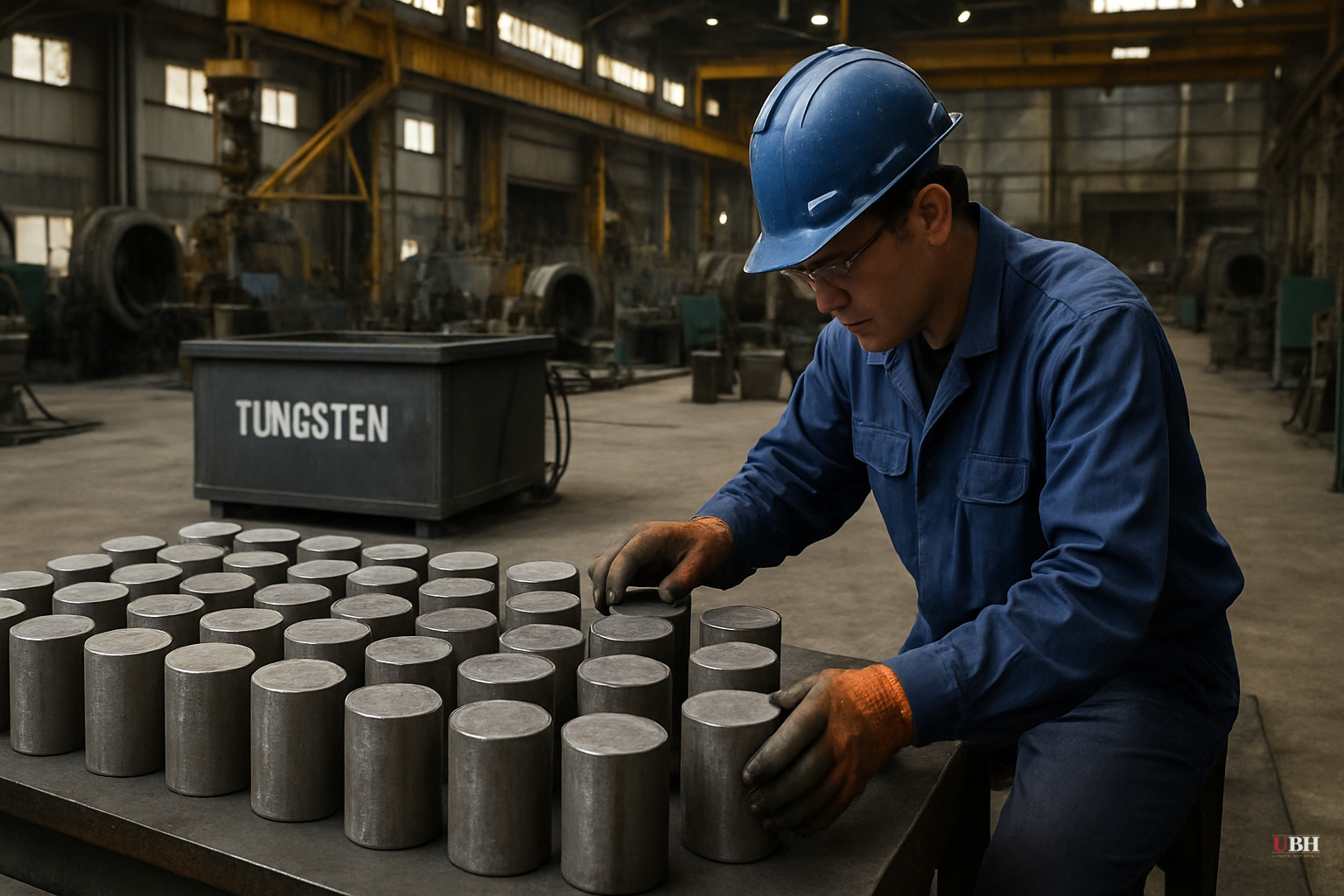
Since China rolled out its export-control regime globally in May 2025, Japan has been navigating a steady tightening of critical mineral flows. What has sharpened in 2026 is the targeting: according to Bloomberg, Beijing has stopped nearly all supplies of some forms of tungsten to Japan this year, while magnet shipments last month fell to their lowest level since May 2025.
The proximate cause, per Bloomberg's reporting, was a political one. Prime Minister Sanae Takaichi angered Beijing last November with public comments about Taiwan, the self-governed island China claims as its own territory. Since then, the mineral slowdown has been deliberate and sustained.
Tungsten is not a niche concern. It goes into cutting tools, military-grade munitions, semiconductors, and industrial machinery.
Magnet flows matter for a different reason: rare-earth magnets are essential components in electric vehicle motors, wind turbines, robotics, and defense systems. Japan's auto and electronics sectors sit at the center of all of those supply chains.
Bloomberg reports that companies inside Japan are already feeling the impact, and the shortfalls are prompting calls for Takaichi to find a diplomatic off-ramp with Beijing.
The Leverage Play
China has used mineral exports as a pressure tool before. What distinguishes this episode is the directness of the political trigger. Takaichi's November comments on Taiwan were specific enough that Beijing has made the connection explicit through the pattern of what it is cutting and when it started.
The Strongest Counterargument
Critics of Takaichi, including voices inside Japan's business community and opposition parties, have a coherent case: Taiwan comments that predictably trigger Chinese mineral retaliation impose real costs on Japanese manufacturers and workers. If the strategic goal is deterrence, the economic pain lands domestically while Beijing absorbs little short-term cost. That is a legitimate policy tradeoff to debate openly, not dismiss.
The counterargument to that view is also real. Every time an allied government makes Taiwan-related concessions under economic pressure, it lowers the cost Beijing pays for applying that pressure, which invites more of it. Takaichi's government has not publicly indicated it plans to walk back the Taiwan comments.
Where Japan Stands
China's willingness to deploy economic tools in parallel with diplomatic ones has intensified in 2026. Japan is now absorbing direct mineral pressure tied explicitly to a political statement by its head of government.
What Comes Next
Bloomberg reports that the mineral throttling is already generating domestic pressure on Takaichi to open a diplomatic channel with Beijing. What that channel would offer, and what Japan would have to say or unsay about Taiwan to reopen full shipments, is the unresolved question. Takaichi has built her political identity in part on a harder line toward China than her predecessors; reversing that under economic coercion carries its own domestic political cost.
The more concrete near-term indicator to watch is whether Japan's Ministry of Economy, Trade and Industry announces emergency stockpile releases or emergency procurement agreements with alternative suppliers in the coming weeks. That would signal Tokyo has decided to absorb the pressure rather than negotiate it away.
Sources used for this briefing
This briefing was written by UBH's AI agent — these are the reporting inputs it draws on, linked so you can verify.


