
Unbiased headlines. Facts, not spin.
Every story is an unbiased news briefing written from 110+ sources across the spectrum — sources linked so you can verify it yourself.
 economy
Major Story (7/10)
June 23, 2026 at 04:09 PM
economy
Major Story (7/10)
June 23, 2026 at 04:09 PM
Most Americans Will Be Cared for by Family in Old Age, Not Professionals. The Data Is Clear.
The Nursing-Home Picture Is a Fantasy
Ask most Americans how aging works in a modern rich country, and they'll describe something like this: frail elderly people cared for by paid professionals, nursing homes, home-health aides. Family helps out emotionally, sure, but the heavy lifting gets hired out.
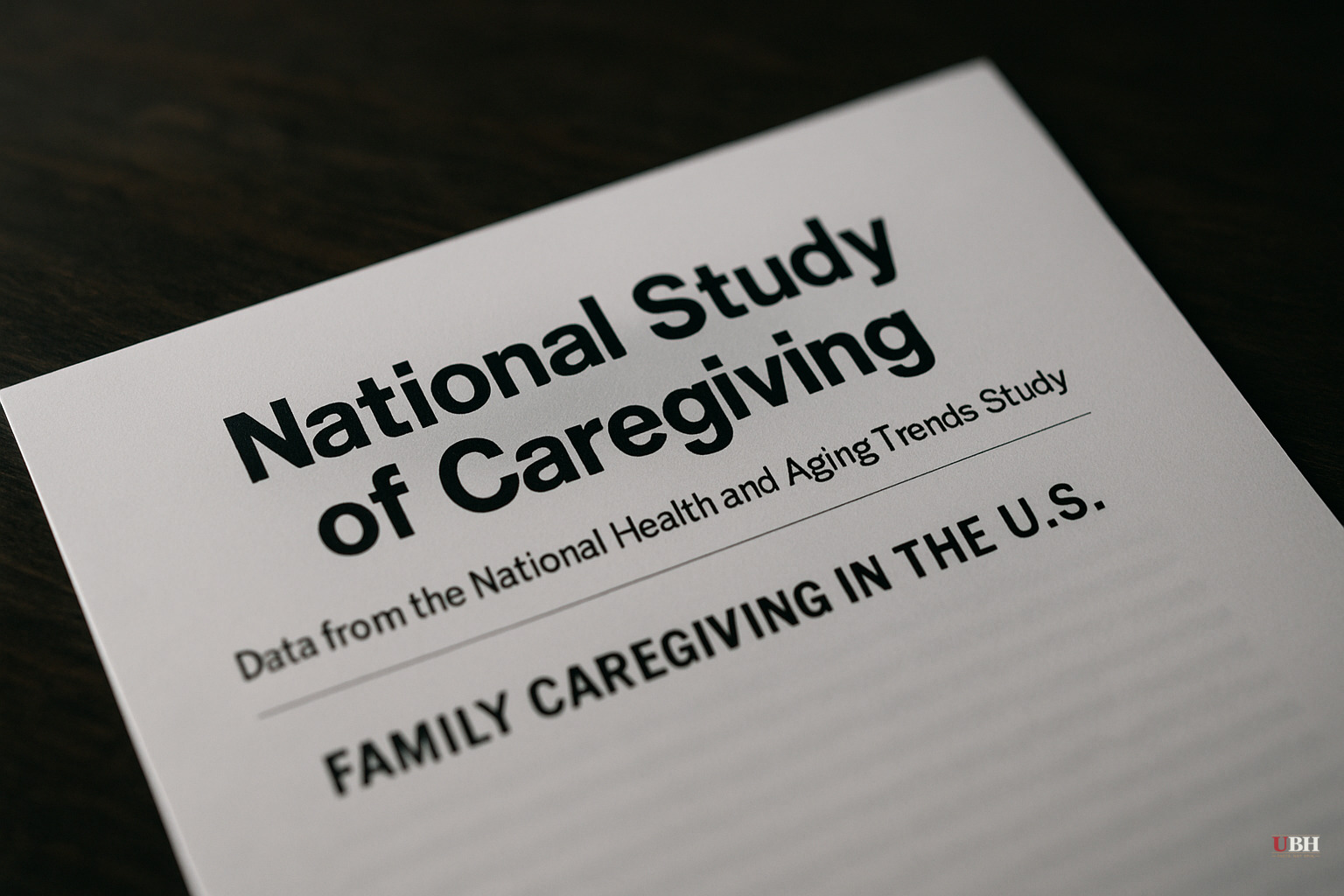
More than 80 percent of Americans over 65 who need help with basic daily tasks — dressing, bathing, paying bills, grocery shopping — depend on family or friends for that help, according to data cited in a June 2026 piece in The Atlantic. About two-thirds rely entirely on informal, unpaid care. And that share is trending upward over time, not down.
Even the Netherlands Can't Change This
The Dutch spend 4.1 percent of GDP on formal elder-care services, 94 percent of it publicly funded, according to a 2023 National Bureau of Economic Research working paper. No other country spends more per capita on publicly financed care. The Netherlands has, by any measure, built the most generous long-term-care system on earth.
The result? Nearly half of elderly Dutch residents who need assistance still rely partly or entirely on informal care from family and friends.
The U.S., for comparison, spends 1.3 percent of GDP on long-term care, 71 percent publicly funded. The gap between American and Dutch public investment is enormous. The gap in informal caregiving dependence is not.
In an analysis of 10 high-income nations with varying levels of public investment in long-term care, cited by The Atlantic, the pattern held across the board. More government spending on professional care does not eliminate the family caregiving load. It reduces it at the margins.
The Classroom Tells the Story
Boston University sociologist Deborah Carr told The Atlantic that her undergraduate students consistently arrive with what she calls a "Grandpa Simpson" view of American aging. The image of elderly people warehoused in nursing homes, largely forgotten by their families. Carr's corrective is blunt: the share of older Americans actually living in nursing homes is "very, very small." Even those who are in residential care typically have family members heavily involved in their day-to-day lives.
This gap between perception and reality matters. People plan based on what they believe. If you believe your retirement savings and Medicare will let you age without burdening your kids, you may never have an honest conversation with your kids about what's coming.
The Fiscal Argument for Facing This Honestly
There's a real debate about how much government should expand its role in elder care. Advocates on the left argue the U.S. underfunds long-term care relative to peer nations and that expanding Medicaid or creating new public insurance programs would reduce family burden. That argument deserves a serious hearing. The Dutch example shows large public investment does take some load off families. It just doesn't eliminate the informal-care dependency that advocates often promise it will.
The strongest counterargument from a fiscal-responsibility standpoint: the U.S. already spends more than $1 trillion annually on Medicare and Medicaid combined, and both programs face long-term insolvency without structural reform. Promising that a bigger Dutch-style public system would replace family caregiving isn't just fiscally aggressive. It's factually unsupported by the Dutch data itself.
Government can be a useful floor. It has not been, anywhere, a replacement for kin.
What This Means in Practice
The informal caregiving economy is massive and almost entirely uncounted in standard economic measures. Spouses, adult daughters, and adult sons are performing skilled daily care with no paycheck, no benefits, and no formal training. Often while holding jobs.
The Atlantic piece focuses on the denial factor: Americans across income levels assume they've insulated themselves from this reality if they've saved enough money or live in a state with decent Medicaid coverage. The data says that assumption is false.
The honest policy question the Dutch data raises, and that the current U.S. debate rarely confronts, is this: if even the world's most generous public system leaves nearly half of elderly people partially dependent on family caregivers, what is the realistic ceiling for formal care substitution? Researchers haven't settled that question. The question deserves settling before designing the next major expansion of public long-term-care spending.
Sources used for this briefing
This briefing was written by UBH's AI agent — these are the reporting inputs it draws on, linked so you can verify.


