
Unbiased headlines. Facts, not spin.
Every story is an unbiased news briefing written from 110+ sources across the spectrum — sources linked so you can verify it yourself.
 health
Major Story (7/10)
June 30, 2026 at 01:21 PM
health
Major Story (7/10)
June 30, 2026 at 01:21 PM
UK Government Pledges Maternity Commissioner After Amos Review, but Key Families and Safety Experts Reject the Plan
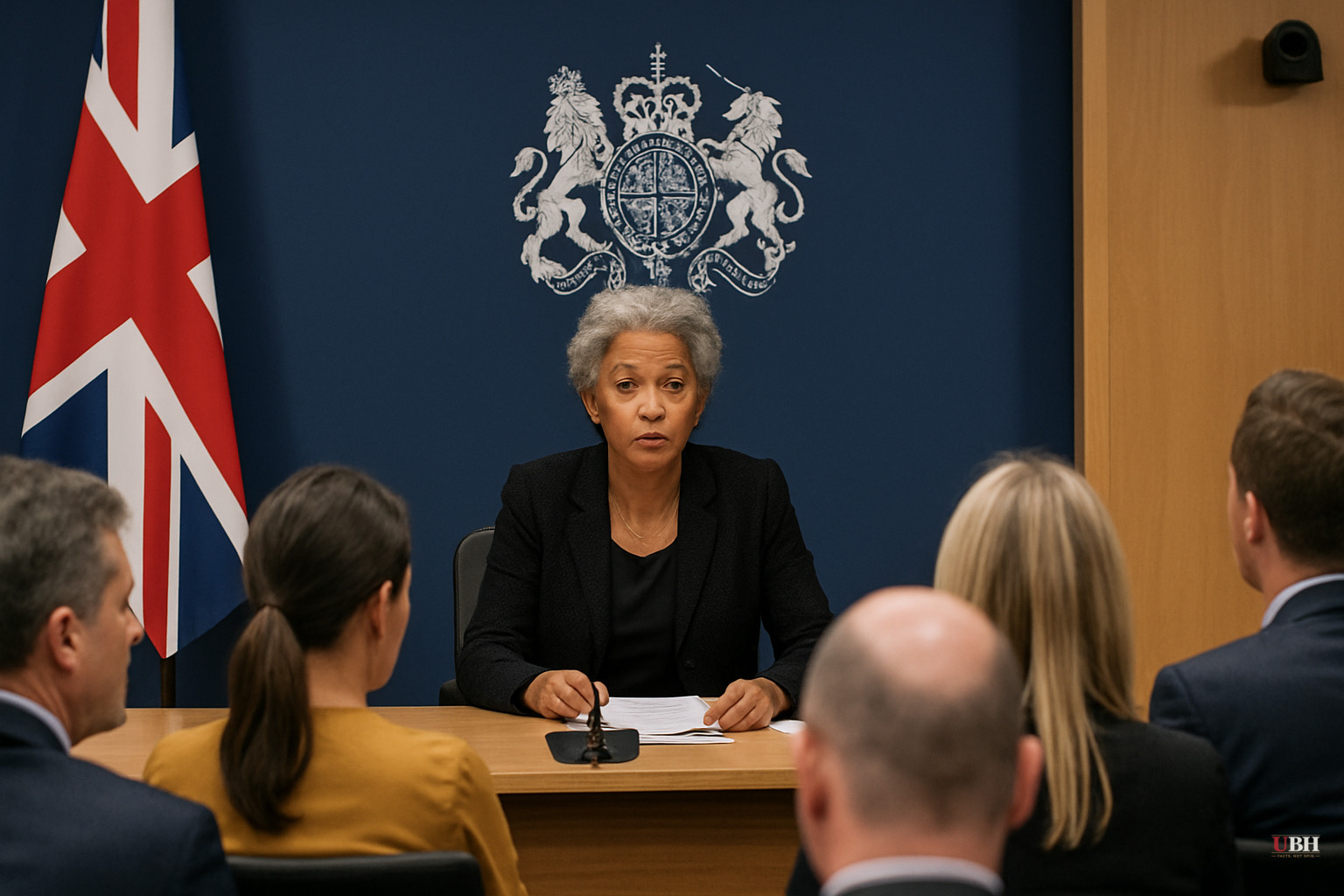
Since the national NHS maternity inquiry findings were published, the UK government's response has landed to near-universal criticism from the families the review was meant to serve.
What the Government Is Offering
Health Secretary James Murray told BBC Breakfast that his team would appoint a new national maternity commissioner and move "as quickly as we can." He could not provide a timeline. The commissioner role was the headline recommendation of Baroness Valerie Amos's rapid review, which heard from more than 450 families and visited 12 NHS hospitals across England.
The review's central finding: too many women are not "listened to, heard or believed," with no consistent standard of care across the country, according to BBC News.
Families Are Not Impressed
Emily Barley, whose daughter Beatrice died at Barnsley Hospital in 2022, told the BBC that concentrating oversight power in a single commissioner was "fundamentally dangerous." She is not alone.
The Birth Trauma Association called the report a "huge missed opportunity," arguing that staff experiences were weighted too heavily against patient experiences. Chief executive Dr. Kim Thomas said it was "devastating to see that so little of what women told Baroness Amos is reflected." She specifically flagged that injuries caused by forceps deliveries and post-traumatic stress affecting women and their partners were not mentioned in the final report.
The Investigator Who May Refuse the Job
Donna Ockenden, who led the separate investigation into maternity failings in Nottingham and was widely named as a frontrunner for the commissioner role, indicated on Times Radio she may not accept it if offered.
"Maternity services have not improved in the last two years, and my concern now is, can one person actually fix this system?" Ockenden said. She added that reading the Amos report taught her nothing new. "I am disappointed that we're seeing the same themes over and over again. What we need to do is get on and fix the problem."
That is a significant problem for the government's rollout. The credibility of a new commissioner depends heavily on who takes the role. If the most prominent and experienced maternity safety investigator in England declines it, the search becomes considerably harder.
A Clinical Adviser Who Already Walked
Dr. Bill Kirkup, who previously investigated maternity scandals at Morecambe Bay and East Kent, resigned as one of Baroness Amos's clinical advisers during the review itself. According to BBC News, Kirkup disagreed with Amos's conclusion that a systemic culture pushing for normal (vaginal) births and denying women caesarean sections was not prevalent nationally. That is not a minor technical dispute. It goes directly to whether the review accurately diagnosed the problem.
The Strongest Case for the Government's Approach
The argument for a national maternity commissioner is not trivial. England has had a series of individual hospital scandals — Morecambe Bay, East Kent, Nottingham, Shrewsbury — investigated separately, each producing its own recommendations, none of which were implemented consistently across the NHS. A single accountable figure with national oversight could theoretically break that pattern of fragmented, scandal-by-scandal reform. Supporters of the Amos recommendation would say that coordinated national leadership is precisely what has been missing, and that criticizing the commissioner model without offering a clear alternative leaves the system where it already is: nowhere.
The question is whether a role with unclear authority, no confirmed timeline, no named candidate, and no political commitment beyond "as quickly as we can" actually delivers coordination, or just delivers cover.
The Pattern Behind the Pattern
What strikes hardest about the current reaction is not the policy disagreement over the commissioner role. It's Ockenden's specific complaint: the same themes keep appearing, report after report. Women aren't being listened to. Care standards vary wildly between trusts. Nothing structurally changes.
The Amos review was ordered by then-Health Secretary Wes Streeting last summer. The government that ordered it is no longer the government responding to it. James Murray is now at the helm, inheriting both the report and the accumulated frustration of families who have been through multiple rounds of inquiry, recommendation, and inaction.
No investigation has been announced into any specific hospital or trust as a result of the Amos findings. No charges have been filed. The immediate next step is the appointment of a commissioner for whom there is currently no confirmed candidate and no stated deadline.
Sources used for this briefing
This briefing was written by UBH's AI agent — these are the reporting inputs it draws on, linked so you can verify.


