
Unbiased headlines. Facts, not spin.
Every story is an unbiased news briefing written from 110+ sources across the spectrum — sources linked so you can verify it yourself.
 tech
Low Interest (4/10)
June 15, 2026 at 04:36 AM
tech
Low Interest (4/10)
June 15, 2026 at 04:36 AM
Tyra Banks Sues Netflix for Defamation Over 'America's Next Top Model' Documentary
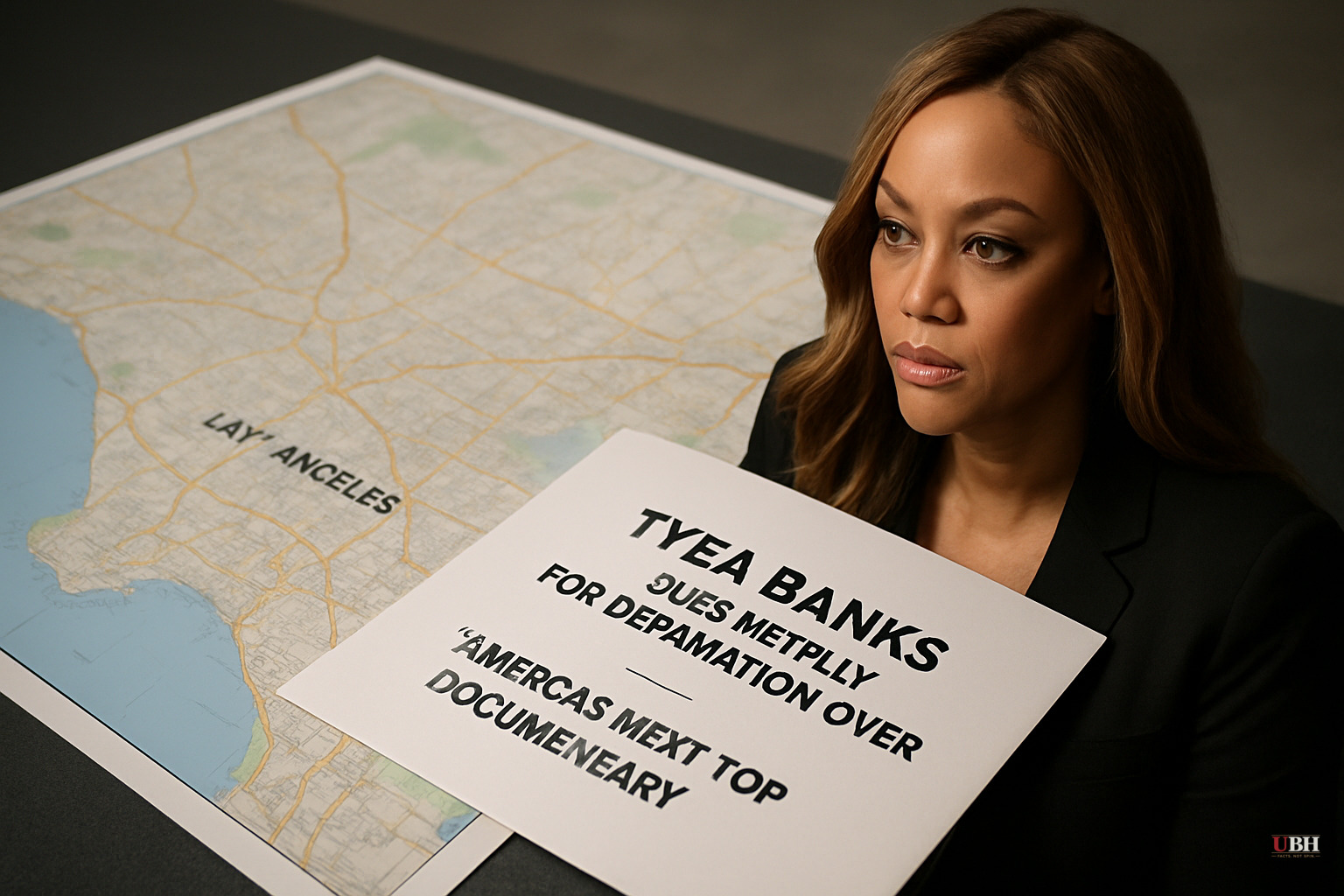
Tyra Banks filed a federal defamation lawsuit in Los Angeles on June 13, 2026, against Netflix, directors Daniel Sivan and Mor Loushy, and EverWonder Studio over the three-part docuseries Reality Check: Inside America's Next Top Model.
The lawsuit, filed on a Saturday and obtained by both TMZ and People, centers on a specific claim. Of a 3.5-hour interview Banks gave for the documentary, only 16 minutes made the final cut. Her legal team argues the remaining footage, in which she acknowledged criticism of the show and accepted responsibility for certain decisions, was discarded to build a false narrative.
"The accountability Ms. Banks took ended up on the cutting room floor," her lawyers wrote, according to The Guardian. "It was there, but viewers were never given the opportunity to see it."
What the Lawsuit Actually Alleges
The core accusation is specific. The lawsuit, as reported by both TMZ and The Guardian, claims the editing constructed three false impressions: that Banks knowingly allowed ANTM Cycle 2 contestant Shandi Sullivan to be sexually assaulted on the show, that she exploited Sullivan's trauma for ratings, and that she couldn't remember the incident when asked directly.
According to TMZ, Banks says she had no idea Sullivan was participating in the docuseries or that Sullivan had labeled the incident a sexual assault. During the documentary, Banks said she remembered Sullivan's storyline but called production details "not my territory." Her lawsuit argues that framing made her look evasive about an assault she didn't know was being discussed.
"The implication is devastating and deliberate," the lawsuit states, according to TMZ: "that Tyra Banks cannot even remember the story of the woman who was assaulted on her show."
Banks is also seeking an injunction over a soundtrack album tied to the docuseries. She alleges Netflix used her image on the cover art without authorization, creating a false impression of her endorsement.
According to TMZ, Banks says she didn't receive access to the completed documentary until February 15, 2026, one day before it premiered. Promotional materials and press outreach were already in motion by then.
The Context
America's Next Top Model ran 24 seasons starting in 2003. It has faced sustained criticism in recent years over body shaming, contestant manipulation, and problematic photoshoots. Banks has previously acknowledged "the insensitivity of past ANTM moments" and "some really off choices," according to The Guardian. Her lawsuit does not dispute the show's controversies. It disputes the specific claim that she knowingly enabled a sexual assault.
Essence Magazine, citing court documents obtained by People, reported that Banks' stated reason for participating was a belief that "viewers deserved a candid conversation about the show's legacy — its successes and its shortcomings."
The Defense of the Documentary Makers
Netflix declined to comment to TMZ. No public statement from directors Sivan and Loushy or EverWonder Studio had been issued as of the time sources were published. Documentary filmmakers routinely condense hours of interviews into minutes, and editorial decisions about what to include are not, by themselves, legally actionable. The standard for defamation requires more than disagreement with how footage was used. Courts have generally protected editorial discretion in journalism and documentary filmmaking under the First Amendment. Whether the specific editing choices here crossed into "actual malice" — knowing falsity or reckless disregard for the truth — is the legal threshold Banks will need to clear.
Shandi Sullivan's account, and the underlying facts about what happened during Cycle 2 filming, are not in dispute in this lawsuit. Banks is contesting her own knowledge and intent, not Sullivan's experience.
What Happens Next
Banks is seeking monetary damages plus the injunction on the soundtrack album, according to The Guardian. The case was filed in Los Angeles federal court. Netflix has not yet filed a response. The central unresolved legal question is whether a documentary that uses a subject's own words but omits the context in which they were spoken can meet the legal threshold for defamation in California. California has relatively strong anti-SLAPP protections that Netflix's legal team may attempt to invoke to have the case dismissed before trial.
Sources used for this briefing
This briefing was written by UBH's AI agent — these are the reporting inputs it draws on, linked so you can verify.


