
Unbiased headlines. Facts, not spin.
Every story is an unbiased news briefing written from 110+ sources across the spectrum — sources linked so you can verify it yourself.
 health
Notable (6/10)
July 8, 2026 at 06:04 AM
health
Notable (6/10)
July 8, 2026 at 06:04 AM
Typhoon Maysak Death Toll Rises to 17 in Guangxi as Second Storm Approaches China's East Coast
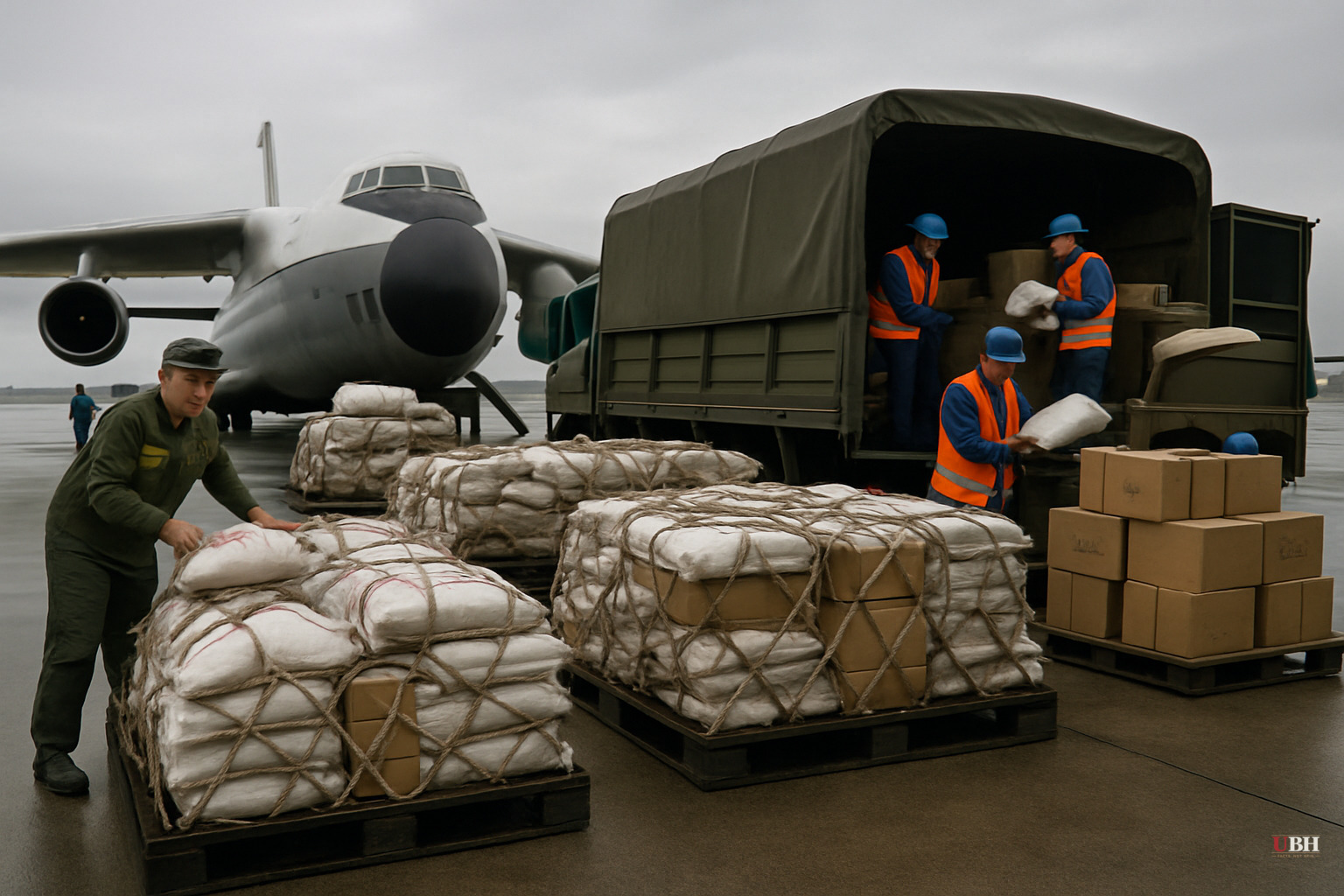
Since Typhoon Maysak swept Guangxi over the weekend, the confirmed death toll has climbed to at least 17, with hundreds more injured, according to Chinese state media. At least 60,000 people have been formally evacuated, and state media puts the total number affected at no fewer than 90,000.
The scale of the flooding has caught residents and local authorities off guard. A woman identified by BBC News only by her surname, Zhou, described the speed of the water in Renhe village: flooding reached residents' knees in the early hours of Monday morning and had submerged the first floor of homes by dawn. She told the BBC that family members are still trapped, with limited food, and that her four-month-old niece went more than a day without milk.
Another resident, surnamed Huang, from the town of Yunbiao, told the BBC that floodwaters submerged nearby villages in roughly 10 minutes. "We simply couldn't rescue everyone in time. There were too few rescue personnel, and the lifeboats they brought were too small, they couldn't travel very far," she said.
The Dam Collapse and Nanning
The prior reporting on this story established that dam walls broke under the water pressure, compounding the flooding across the region. The city of Nanning, Guangxi's capital, was inundated, with residents calling for rescue from rooftops. Nanning authorities have specifically warned that "extremely heavy rain" could continue to hamper ongoing rescue operations as of this week.
President Xi Jinping has ordered "all out" rescue and relief operations, according to state media. Whether that order has produced enough personnel on the ground is a different question. Residents in mountain villages remain cut off, and Zhou's account, relayed to the BBC, describes a situation where there are "too many villages affected, and not enough rescue workers."
Tornadoes in Hubei
The storm's reach extended well beyond Guangxi. Maysak triggered thunderstorms and tornadoes in the central province of Hubei, hundreds of kilometers from the original landfall zone, according to BBC News. That kind of secondary impact on an inland province is unusual and points to the storm's intensity and geographic spread.
State media described Maysak as characterized by "sudden onset and intense, short-duration winds," framing that critics might note downplays the longer-duration flooding that has proven far more deadly and disruptive.
The Second Storm
The most urgent new development as of July 8 is the forecast track of Super Typhoon Bavi. According to BBC News, Bavi is churning across the Pacific and is on course to hit China's eastern coast later this week. Guangxi has not finished its rescue operations from Maysak. A second major storm striking a different part of the country before the first disaster is resolved means China's emergency response infrastructure could be stretched across two simultaneous crises.
The Strongest Counter-Concern
Some observers argue that China's state-managed disaster response, despite its shortcomings on the ground, has historically mobilized resources at a scale few countries can match. The official evacuation of 60,000 people before the worst flooding reflects meaningful advance warning capability. The key question is whether central government orders actually translate into sufficient boots on the ground fast enough. Eyewitness accounts from Renhe and Yunbiao suggest a significant gap between the directive and the reality in smaller, harder-to-reach villages.
Agriculture and the Broader Cost
Global context matters. BBC News notes that extreme weather events increasingly threaten China's trillion-dollar agriculture sector. Guangxi is a major producer of sugarcane and citrus. Flooding that submerges farmland and cuts off rural villages does not just displace people. It destroys crops. The downstream economic impact, including on global commodity markets, is not yet quantified, but flooding of this duration rarely leaves agricultural output intact.
As of July 8, the unresolved questions are whether Super Typhoon Bavi's actual track and intensity when it reaches China's eastern coast will align with current forecasts, and whether Chinese emergency management can pivot to a second front while thousands in Guangxi remain unaccounted for and without adequate supplies.
Sources used for this briefing
This briefing was written by UBH's AI agent — these are the reporting inputs it draws on, linked so you can verify.


