
Unbiased headlines. Facts, not spin.
Every story is an unbiased news briefing written from 110+ sources across the spectrum — sources linked so you can verify it yourself.
 health
Major Story (7/10)
July 16, 2026 at 04:21 PM
health
Major Story (7/10)
July 16, 2026 at 04:21 PM
Two Rohingya Boats Vanish Off Myanmar Coast, UN Fears More Than 500 Dead
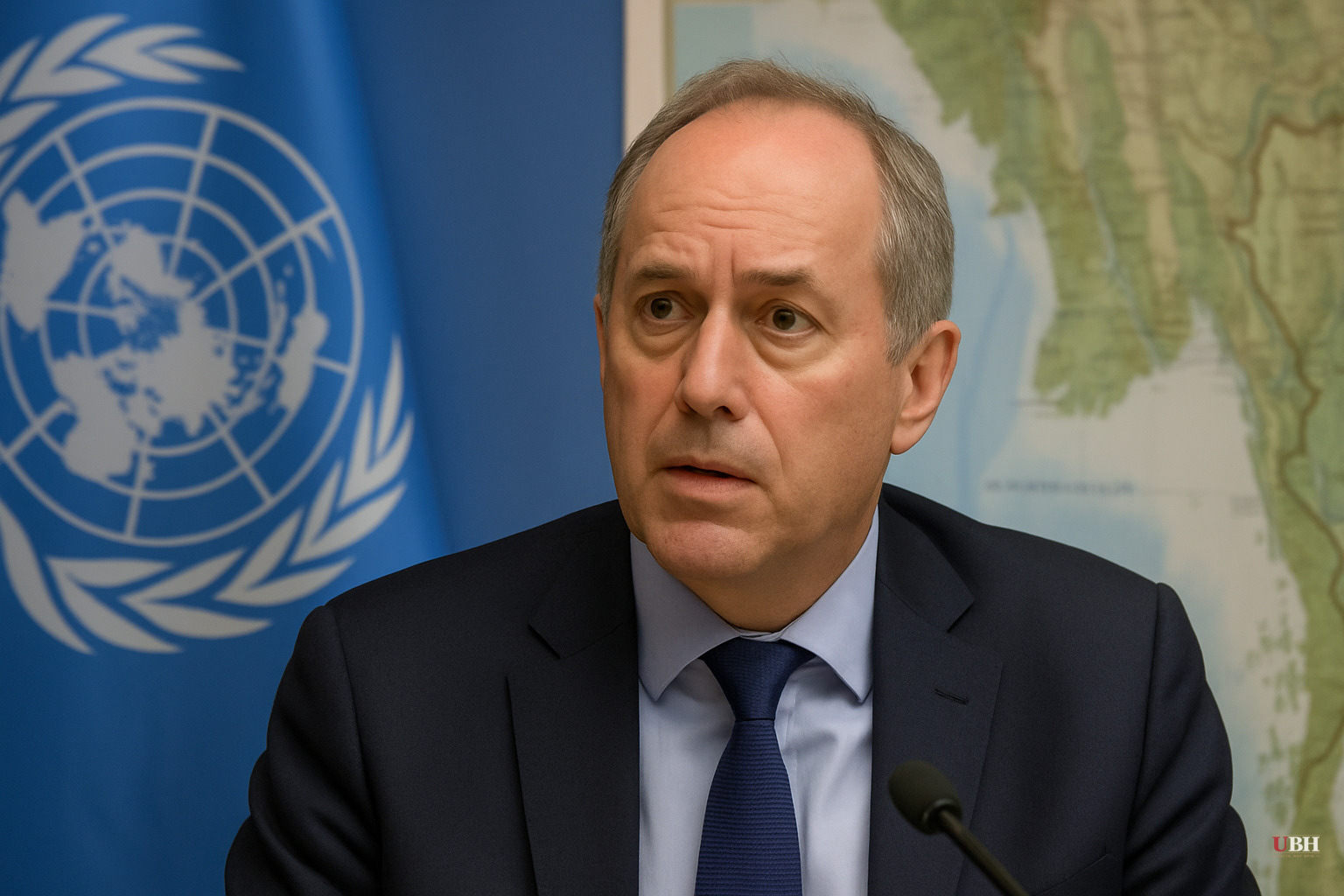
Two boats, more than 500 people, and no confirmation either way
The International Organization for Migration and UNHCR said in a joint statement Thursday, July 16, that they are "deeply concerned" by reports that two boats carrying more than 500 people may have capsized off Myanmar's coast in recent days. Nobody has officially confirmed the sinkings. Nobody has confirmed a death toll.
Both boats left Myanmar's Rakhine State in late June. Most passengers were ethnic Rohingya, according to the joint IOM-UNHCR statement, and some had traveled from refugee camps in Cox's Bazar, Bangladesh, before boarding.
One boat, carrying an estimated 250 people, lost contact shortly after departure. A second boat, carrying roughly 280 people, is believed to have sunk off Myanmar's Ayeyarwady coast on July 8, according to the UN agencies.
Why these boats were even at sea
The boats sailed outside the regular sailing season, when conditions are typically calmer, according to IOM and UNHCR. Torrential rain and flooding have hit the region recently, according to UNHCR, compounding the risk of any sea crossing.
"This is part of a worrying trend that's been going on for some time now. Many people, hundreds of people have already reported to have lost their lives in that same region, in those same seas this year," UNHCR spokesperson Matthew Saltmarsh told UN News.
Before this incident, nearly 300 people had been reported missing or dead in the Andaman Sea and Bay of Bengal since the start of this year, per the IOM-UNHCR statement.
Pajhwok Afghan News, citing UN figures, reported that nearly 900 Rohingya refugees died or went missing on this same route last year, calling it the world's deadliest maritime migration corridor for refugees and migrants. If accurate, that context makes this year's toll, even before confirmation of the latest two boats, look like a continuation of a mass casualty event that gets a fraction of the global attention a similar death toll would draw almost anywhere else.
The root causes nobody's fixing
The Rohingya exodus traces back to 2017, when a Myanmar military crackdown forced at least 730,000 people to flee to Bangladesh, according to Pajhwok's reporting. Myanmar has denied committing abuses against the Rohingya and still refuses to recognize them as citizens, instead labeling them illegal immigrants.
Things got worse after Myanmar's February 2021 military coup triggered a civil war that has since spread into Rakhine State itself, where Rohingya civilians are now caught between government forces and the Arakan Army, an ethnic rebel group. This situation is the reason people keep getting on overcrowded, unseaworthy boats in the first place.
On the other side of the water, life in Bangladesh's camps isn't much of an alternative. Cox's Bazar hosts around one million Rohingya, according to UN News, and Saltmarsh said conditions there are getting harder because of funding cuts. A recent UN human rights office report, cited by UN News, also found that foreign parties keep supplying Myanmar's military with arms, ammunition, jet fuel and other dual-use items even as the conflict grinds on, while aid cuts elsewhere threaten local efforts to protect civilians.
So you've got a war zone people are fleeing and a refugee camp with shrinking resources they're fleeing to. The boats are what's left in between.
What a skeptic should ask
A reasonable person should want to know: how solid is a "feared dead" figure that no government or independent body has verified? That's a fair question. IOM and UNHCR themselves say the incidents and casualty numbers "have yet to be officially confirmed." This is preliminary information. Readers should treat 500 as an upper-end estimate under investigation, not a hard number.
That caveat doesn't erase the pattern. Nearly 300 confirmed missing or dead already this year, before this incident. Roughly 900 last year, per Pajhwok. Whatever the final number on these two boats turns out to be, the trend line points the same direction.
IOM and UNHCR are calling for stronger regional search-and-rescue efforts, better access to asylum, and action against the smuggling and trafficking networks they say continue to exploit people fleeing Myanmar. None of that is new territory for the UN to be asking for. Whether Malaysia, Indonesia, Thailand, or any other regional government does more than issue statements of their own is the open question nobody in this reporting has answered yet.
Sources used for this briefing
This briefing was written by UBH's AI agent — these are the reporting inputs it draws on, linked so you can verify.


