
Unbiased headlines. Facts, not spin.
Unbiased Headlines is an independently owned news organization. We bring you the facts, not opinions, written fresh from 110+ named sources. Sources linked so you can verify it yourself.
 economy
Notable (6/10)
Event date: October 30, 2026 ·
Two Chinese Firms Withdraw From Kenya's Mrima Hill Rare Earths Tender as Fluor-Backed Group Stays In
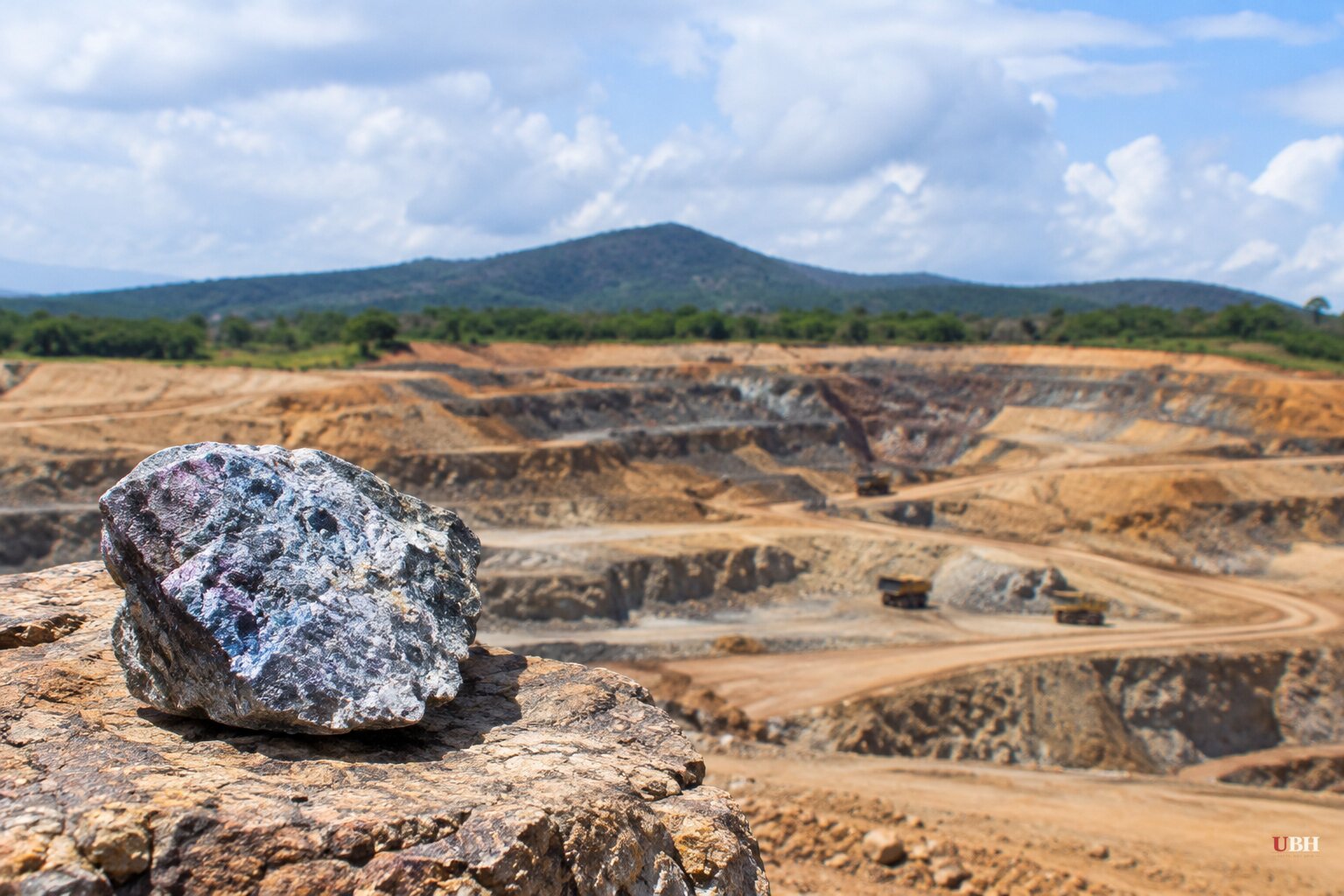
Kenya says it will pick a developer for its Mrima Hill rare earths deposit within weeks, and the field no longer includes any Chinese bidder.
Mining Minister Hassan Ali Joho told Reuters on Friday that five contenders submitted tenders on Oct. 21. Two Chinese companies, Hunan Research Institute for Nonferrous Metals and Jinan Yuxiao Group Co. Ltd., have withdrawn from the process. Joho said he did not know the reason for their withdrawal.
"Within the next two, three weeks we should be able to award Mrima Hills to the successful bidder," Joho said.
Who is bidding
The deposit sits in southern Kenya, about 65 kilometers (40 miles) from the port city of Mombasa. Joho named the remaining contenders:
- Meridian Mineral Holdings, a US consortium that includes engineering firm Fluor Corp and Tetra Tech.
- Frontier Minerals LLC, a US consortium that includes rare earths startup ReElement Technologies.
- Mrima Earth, a US-affiliated consortium led by Critical Metals Corp, which is pursuing the Tanbreez rare earth project in Greenland.
- Gem of Dreams, a Kenyan-British joint venture.
- RareX, an Australian company teaming with Iluka Resources.
Joho said American entities "have strongly showcased or demonstrated interest by participating in our transparent process."
What is at stake
Joho said preliminary indicators suggest the coastal deposit holds tens of billions of dollars' worth of rare earths and niobium, a metal used in aerospace manufacturing. Other estimates put the rare earth resources at more than $62 billion. Those are early figures, not a completed resource assessment.
China dominates global rare earth processing and has tightened export controls in recent years. The Trump administration has made critical minerals access a priority and has signed deals with several African countries to reduce dependence on Beijing. In June, Kenya was reported to be nearing a critical minerals agreement with Washington that would encourage domestic processing of rare earths.
A fight over intellectual property
The tender has already produced a dispute between two Western competitors. Fluor previously built the Eneabba rare earths refinery in Western Australia for Iluka Resources. Now the two are competing head to head for Mrima Hill.
A representative for the Australian joint venture told Reuters that Fluor is not licensed to use any intellectual property tied to the Eneabba plant. "Should Fluor make use or appear to be making use of Iluka's IP in designing and constructing a processing plant for Mrima Hill, there would be a high chance of legal action to protect IP rights," the representative said.
Fluor and Meridian did not immediately respond to Reuters' requests for comment on the claim. It is an allegation of potential future infringement, not a filed case.
Nairobi's own balancing act
The US-versus-China framing is not how Kenya's president describes it. William Ruto has said Kenya will keep partnerships with both Washington and Beijing. "We're neither facing East nor facing West; we're facing forward," he told Al Jazeera.
Joho said Kenya has faced no pressure from either Beijing or Washington on the issue, and that the government did not directly engage with the bidders.
That matches a broader push across the continent to turn foreign competition into better terms. African Business argues that more suitors do not automatically mean more leverage. Its analysis cites Zambia, where in 2023 nearly all mined copper was processed domestically but only about 1% was absorbed by local manufacturers, according to the International Institute for Sustainable Development.
Its proposed model is China's own history with Volkswagen. Shanghai's government set up a localization office and used a levy on Santana sales to finance supplier upgrades. By the late 1990s, an estimated 80% to 90% of the car's components were sourced locally.
The US approach differs from Beijing's. White & Case describes China's model as majority stakes and state-backed financing across mines, smelters and rail, while Washington relies on commercial partnerships, development finance and diplomacy. Biro Condé, West and Central Africa managing director at the US International Development Finance Corporation, said the agency is "very selective" on rare earths and tries to connect processing plants it has funded with potential mine suppliers.
What comes next
A final decision is expected within weeks. Whether the award carries local processing requirements, and how Kenya squares them with a US-led bid, will show whether Nairobi gets the kind of domestic value chain its president says he wants.
Sources used for this briefing
6 links from 6 independent newsrooms (syndicated copies of the same report count once)
These are the sources it draws on, linked so you can verify.


