
Unbiased headlines. Facts, not spin.
Every story is an unbiased news briefing written from 110+ sources across the spectrum — sources linked so you can verify it yourself.
 politics
Major Story (7/10)
Event date: August 28, 2026
politics
Major Story (7/10)
Event date: August 28, 2026
Two California Federal Judges Split on Whether Flock Cameras Need a Warrant
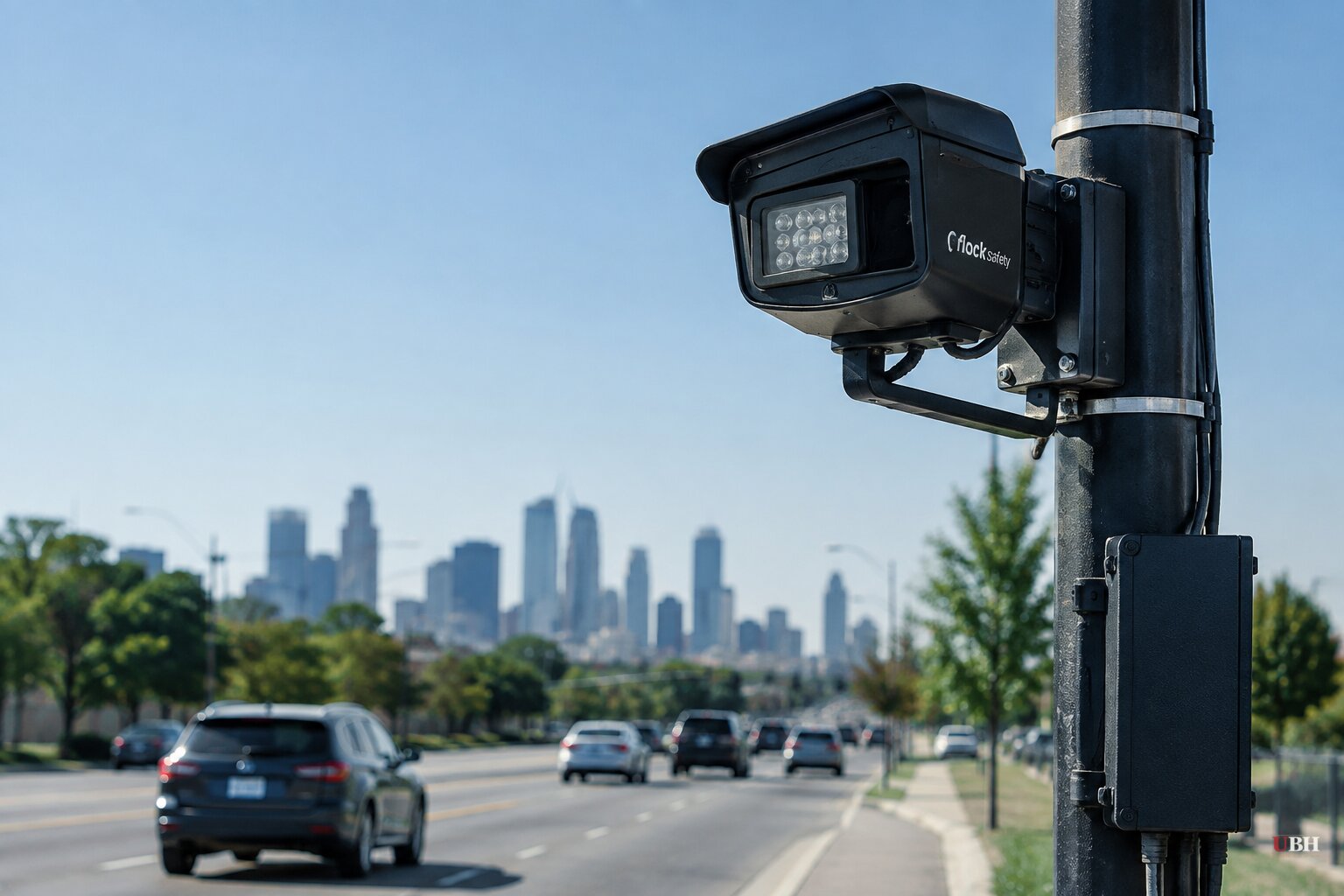
Since the Supreme Court ruled in June that police need a warrant to pull months of Google location history in Chatrie v. United States, courts have started applying that logic to Flock Safety's license-plate cameras. Results so far are split.
The first courtroom answer came down this month in United States v. Riley, out of the U.S. District Court for the Central District of California, according to Reason. Police investigating two kidnappings pulled Flock camera hits from Culver City and Carson, getting four photos each of a suspect's car. The judge ruled that's nowhere close to the "near perfect surveillance" the Supreme Court worried about in Carpenter v. United States and Chatrie. Four photos, the court found, don't add up to a detailed log of someone's movements or a window into their "familial, political, professional, religious, and sexual associations."
But a second federal judge in California is not convinced it's an easy call. In United States v. Thomas, decided September 9, a different judge ordered a full evidentiary hearing before ruling on a suppression motion, writing that the court needs "more information" first, according to a summary from UNC School of Government criminal law professor Jeff Welty. One judge thinks the privacy question is genuinely unsettled.
Layered on top of both: the Eleventh Circuit heard oral argument on the same constitutional question back on July 29 and still hasn't ruled, per Reason. The country now has one district court saying no search, one district court hedging, and a circuit court still deliberating. Nobody should expect a final answer soon.
The Wisconsin Lawsuit
While courts fight over the constitutional theory, the Wisconsin Institute for Law & Liberty went on offense. WILL filed suit against 11 cities and villages in Waukesha County plus the county government itself, representing a coalition of local taxpayers.
WILL's numbers are sharp evidence of how the system actually gets used. The group found that Elm Grove police searched their own six cameras roughly 250 times over June, July and August 2026. Over that same stretch, outside agencies, mostly from other states, searched Elm Grove's camera data about 3 million times. WILL says no Wisconsin agency requires probable cause or a warrant before running those searches, and Elm Grove had no written policy governing them at all.
WILL Deputy Counsel Dan Lennington argued that Flock's tracking is more precise than the GPS and cell-tower data courts already require warrants for. WILL President Rick Esenberg said the suit isn't trying to rip the cameras out, just force warrants or a valid exception before searches happen.
What Flock Changed, and What It Didn't
Flock CEO Garrett Langley announced a round of policy changes on August 13, cutting the default data retention window from 30 days to 7, requiring officers to enter a case code before searching, and adding automated tools to flag abnormal search behavior for administrator review. Langley tied the changes directly to a wave of officer misconduct. A Washington Post investigation found at least 69 police officers nationwide have been accused, charged with, or convicted of misusing Flock or other ALPR systems, including a New Bedford officer accused of tracking a former girlfriend and a Texas officer who reportedly searched 83,000 cameras looking for a woman who had an abortion, both cited by the Boston Globe.
The Independent Institute credited Flock for moving faster than most of its government customers, but flagged two loopholes. Existing customers are grandfathered into their old retention schedules, so many communities can still hold data for 30, 60 or 90 days. And Flock's new "Evidence Mode" lets an officer unilaterally flag a citizen's data and move it into permanent cold storage, with no judge required to sign off.
Some law enforcement advocates and the Boston Globe's Tom Keane point out the flip side: Flock cameras have genuinely helped solve kidnappings and locate stolen vehicles fast, and drivers are already trackable through cell phones, Ring cameras and E-ZPasses. That's a fair point about what's already trackable. It doesn't answer whether a government database searchable 3 million times by outside agencies with zero warrant requirement, as WILL documented in Waukesha County, is the same thing as a private company's toll records.
More than 25 Massachusetts communities, including Boston, Wellesley, Salem and Framingham, have already severed their Flock contracts, with Barnstable the most recent addition, according to the Boston Globe. That's a policy choice by local governments, not a court ruling.
The constitutional question stays open. Riley is expected to be appealed, the Eleventh Circuit still hasn't ruled on its case from July, and the Thomas evidentiary hearing in California hasn't happened yet. Whichever appellate court rules first on whether Flock searches require a warrant will likely set the template every other circuit measures itself against.
Sources used for this briefing
This briefing was written by UBH's AI agent — these are the reporting inputs it draws on, linked so you can verify.


