
Unbiased headlines. Facts, not spin.
Every story is an unbiased news briefing written from 110+ sources across the spectrum — sources linked so you can verify it yourself.
 finance
Low Interest (2/10)
July 13, 2026 at 04:47 AM
finance
Low Interest (2/10)
July 13, 2026 at 04:47 AM
Two Bitcoin Analysts Publicly Debate Whether Michael Saylor's Strategy Kept Its Word
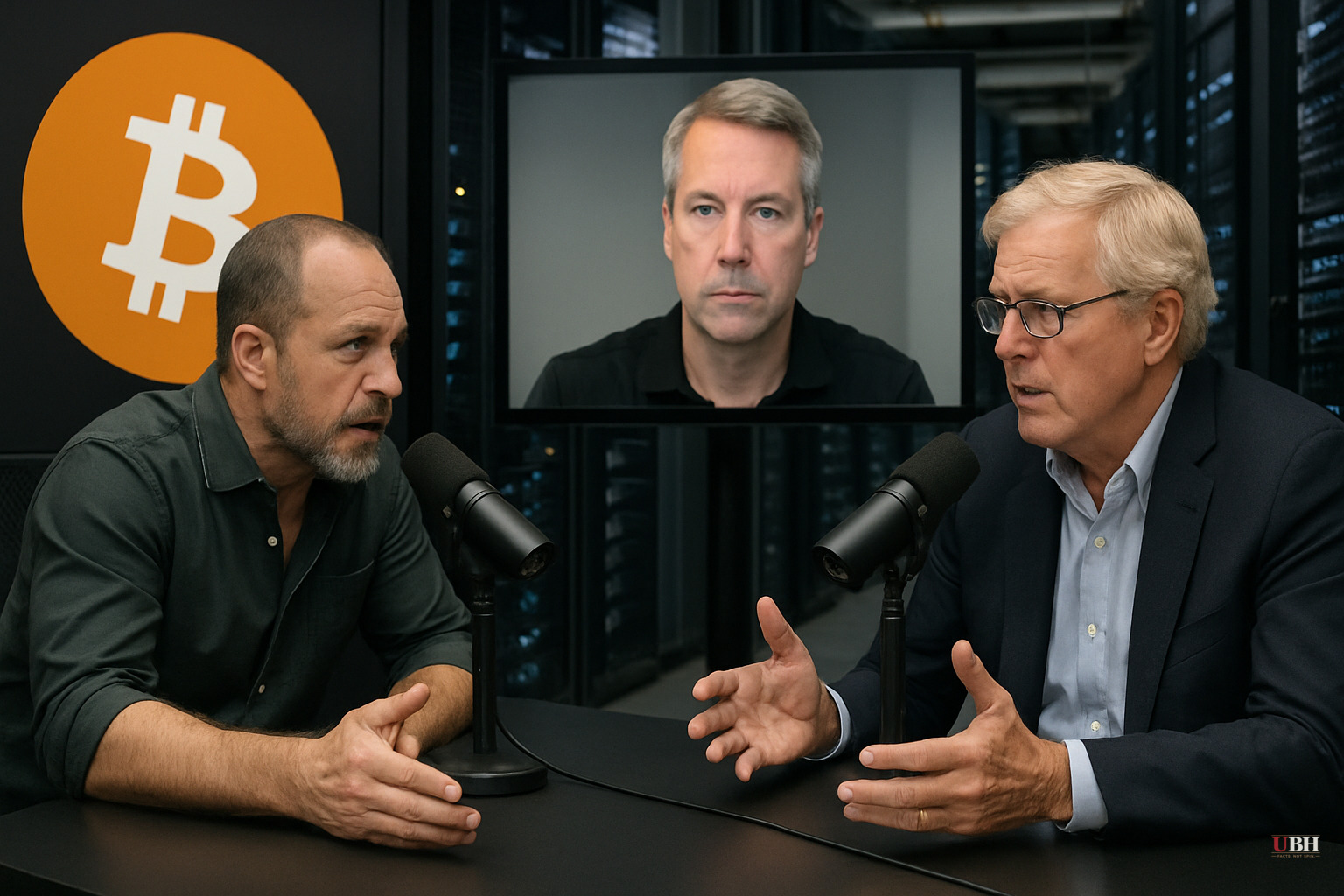
A friendly argument goes public
Two Bitcoin market commentators had a disagreement this week and decided to settle it on a podcast instead of quietly. Financial writer QTR, who runs the newsletter Fringe Finance, sat down with fund manager Larry Lepard after the two clashed over QTR's criticism of Michael Saylor and his company, Strategy.
According to QTR's own writeup published on ZeroHedge, the two men agree on more than they disagree. Both say they're skeptical of the current market's euphoria. Both think most cryptocurrencies outside Bitcoin are likely worthless. Both consider Bitcoin a legitimate macro asset worth taking seriously.
Where they split is Strategy specifically, the company Saylor built around holding Bitcoin as a corporate treasury asset.
The credibility complaint
QTR's argument isn't that Strategy is about to collapse. He said directly that the company's newer Bitcoin monetization framework, its dedicated cash reserves, and more disciplined capital allocation likely buy it real time and improve its financial flexibility.
His complaint is about consistency. Earlier this year, Saylor said Strategy would not become a Bitcoin seller. Since then, the company has sold Bitcoin as part of what it now describes as capital management, while its public messaging has shifted toward liquidity and balance sheet flexibility.
QTR also flagged that "Bitcoin Yield," a metric both Saylor and Strategy CEO Phong Le heavily promoted in investor communications, has largely disappeared from the company's public messaging now that the number has become less favorable. His point: when a company drops a metric right after it stops looking good, investors should notice.
If a company touts a performance metric while it's flattering and quietly retires it when the trend reverses, shareholders have legitimate reasons to ask questions about what else might get reframed when convenient. This is an argument about messaging discipline, not a legal claim.
The other side
Larry Lepard's rebuttal, as described in QTR's own account, is that this is adaptation, not deception. He argued Saylor and Strategy's management adjusted their approach after learning where the market's actual tolerance for leverage sits. In his view, the pivot toward liquidity doesn't signal distress, it strengthens the company and reassures investors that dividend obligations remain manageable.
Lepard's broader point, according to the piece, is that the balance sheet doesn't support a bearish story. Strategy carries roughly $6 billion in debt against tens of billions of dollars in Bitcoin holdings, a load Lepard argues the company can comfortably service given its current position, even if Bitcoin suffers another major drawdown.
QTR pushed back that the entire bull case rests on assumptions continuing to hold, noting Bitcoin has never existed alongside equity markets this expensive, nor has there been a corporate treasury vehicle this large simultaneously serving as one of the market's biggest buyers while now acknowledging it can also become a seller. Lepard countered that QTR was overly focused on downside scenarios while overlooking Bitcoin's asymmetric upside, pointing to prior drawdowns, institutional adoption, ETF ownership, and long-term network growth as evidence Bitcoin continues on its established path.
Companies change strategy all the time when market conditions shift, and abandoning a metric that no longer reflects reality isn't automatically evidence of bad faith. Saylor has been publicly and repeatedly bullish on holding Bitcoin long-term, and Strategy's core thesis, that Bitcoin as a treasury asset outperforms cash over time, hasn't changed even if the tactics around it have.
What's actually unresolved
Neither man is predicting Strategy's collapse. The disagreement is narrower than that: does a shift from "we will never sell" to "we sell as part of capital management" matter enough to change how investors should trust management's future statements?
As QTR put it, the biggest takeaway wasn't who won the debate, but that markets need more conversations like this. Lepard remains convinced Strategy is one of the market's best long-term opportunities. QTR remains convinced that management credibility, leverage, and changing narratives deserve scrutiny. It's a judgment call, not a factual dispute, and reasonable people can disagree.
Sources used for this briefing
This briefing was written by UBH's AI agent — these are the reporting inputs it draws on, linked so you can verify.


