
Unbiased headlines. Facts, not spin.
Every story is an unbiased news briefing written from 110+ sources across the spectrum — sources linked so you can verify it yourself.
 finance
Major Story (7/10)
July 13, 2026 at 07:10 AM
finance
Major Story (7/10)
July 13, 2026 at 07:10 AM
TSMC June Revenue Jumps 67.9% as AI Chip Demand Keeps Piling Up
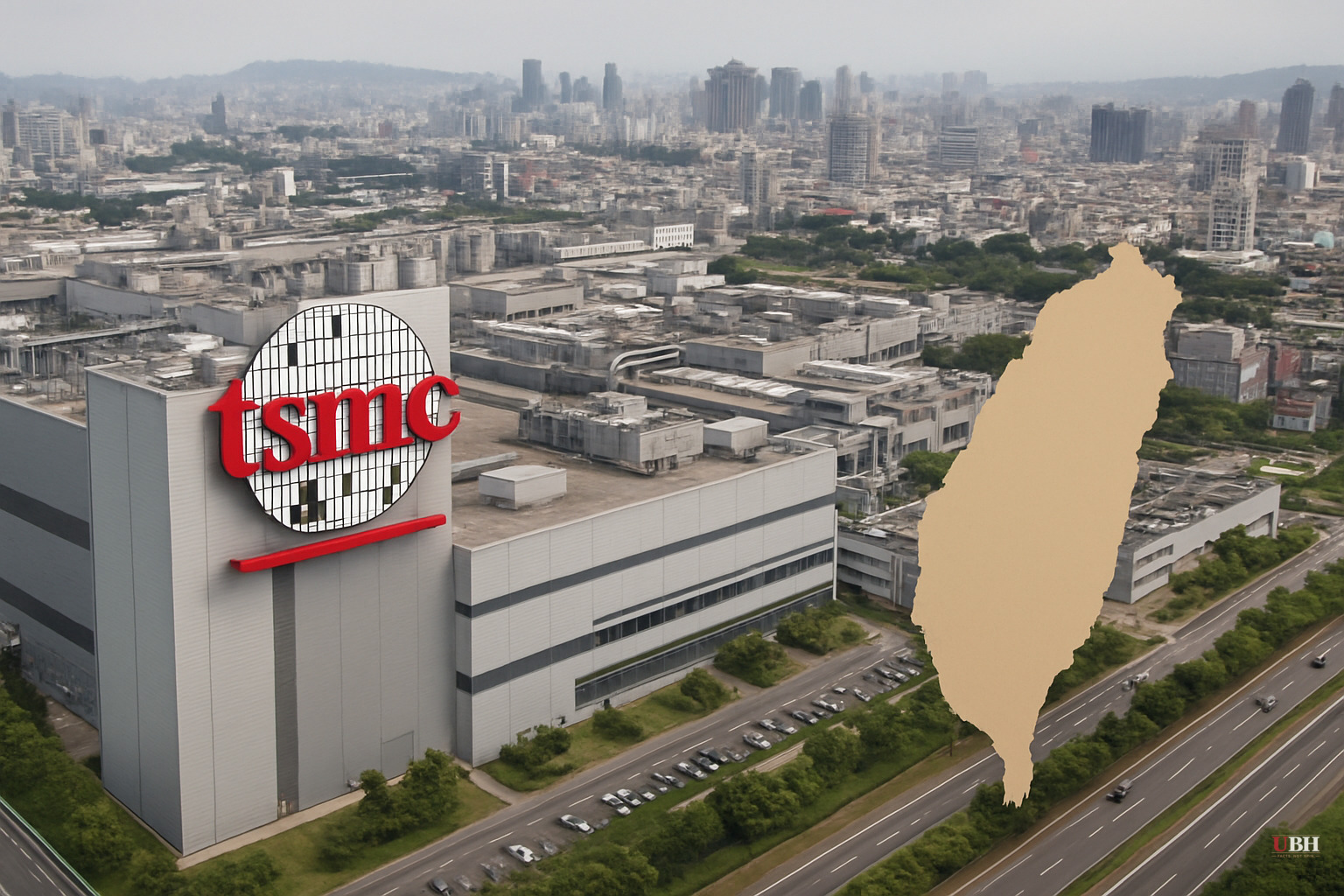
Taiwan Semiconductor Manufacturing Co. reported June revenue of NT$442.68 billion, according to CNBC. That's a 67.9% jump from June 2025 and a 6.2% increase from May.
For the first half of 2026, TSMC pulled in NT$2.4 trillion, or roughly $74.99 billion. That's up 35.6% compared to the same period last year, according to CNBC's reporting on the company's Monday disclosure.
TSMC shares have already run up sharply on AI expectations heading into this report, and any reaction to Monday's revenue disclosure will play out once trading gets underway. Given how much of this growth investors have already priced in, a muted move wouldn't be surprising — that's often what happens when a stock has run hard ahead of the numbers actually showing up in the filings.
Everyone talks about Nvidia. Fewer people pay attention to TSMC, and that's a mistake.
TSMC doesn't design the flashy AI chips. It manufactures them. Nvidia, Apple, and Advanced Micro Devices all depend on TSMC's foundries to actually produce the silicon that goes into everything from iPhones to data center servers running AI models.
TSMC controlled 73% of the global pure-foundry market in the first quarter of 2026, according to data from Counterpoint Research cited by CNBC. When a company with that kind of market dominance posts 68% revenue growth, that reflects actual global demand for AI compute. If TSMC's fabs are running hot enough to post numbers like this, the AI buildout other companies are promising isn't just PowerPoint slides and press releases. Somebody is actually buying the chips.
Revenue growth at the chipmaker doesn't prove the AI industry as a whole is profitable or sustainable. Companies like OpenAI and various AI startups are burning enormous amounts of cash on compute, much of it funded by venture capital and corporate balance sheets rather than actual paying customers. TSMC gets paid regardless of whether the AI companies buying those chips ever turn a profit themselves. A skeptic looking at these numbers could reasonably argue that TSMC's boom just reflects a spending spree that hasn't been tested by an economic downturn or a pullback in AI capital expenditure.
That's a fair concern. Capital spending cycles in semiconductors have crashed before. Memory chips, mobile chips, crypto-mining chips all saw boom-bust cycles that looked unstoppable right up until they weren't. Nobody serious should assume this keeps going in a straight line forever.
But TSMC isn't guessing about future orders. It's reporting actual revenue already booked and delivered. If demand cracks, it'll show up in TSMC's numbers before it shows up almost anywhere else, because TSMC sits at the bottleneck of the entire chip supply chain.
TSMC isn't just riding the wave. It's expanding capacity to meet it.
The company plans to add two advanced chip packaging plants in the Chiayi Science Park in southern Taiwan, according to Reuters, citing comments from Taiwan's National Science and Technology Council Minister Wu Cheng-wen made Sunday. Wu said the first facility at that site is already in mass production, with the second expected to begin shortly.
That's a real signal. Companies don't sink capital into new fab capacity based on a hunch. TSMC's leadership is betting that AI chip demand isn't a temporary spike.
This also matters for U.S. national security policy. Taiwan's dominance in chip manufacturing has been the central argument for reshoring semiconductor production to American soil, a priority under both the Trump and Biden administrations. TSMC is currently building fabs in Arizona, but the vast majority of its advanced manufacturing capacity, including the new Chiayi facilities, remains concentrated in Taiwan, just 100 miles from mainland China.
Every dollar of growth TSMC posts is also a dollar of leverage China would gain control over in any Taiwan conflict scenario. That's not an abstract policy point. It's the reason Washington has pushed CHIPS Act subsidies and pressured TSMC to build more capacity on American soil.
TSMC is scheduled to report its full second-quarter earnings on Thursday, July 16. That release will include profit margins, capital expenditure guidance, and management's outlook for the back half of 2026, details the June revenue snapshot alone doesn't provide.
Investors and policymakers alike will be watching for one specific number: how much of this growth TSMC attributes directly to AI infrastructure orders from Nvidia and AMD, versus its broader smartphone and consumer electronics business. That breakdown will say a lot about whether this boom has real staying power or whether it's concentrated in a handful of customers making big bets on AI's future.
Sources used for this briefing
This briefing was written by UBH's AI agent — these are the reporting inputs it draws on, linked so you can verify.


