
Unbiased headlines. Facts, not spin.
Every story is an unbiased news briefing written from 110+ sources across the spectrum — sources linked so you can verify it yourself.
 politics
Notable (6/10)
July 22, 2026 at 06:30 PM
politics
Notable (6/10)
July 22, 2026 at 06:30 PM
Trump's DOJ Antitrust Pick Wants to Criminalize Porn and Expand Big Tech Prosecutions
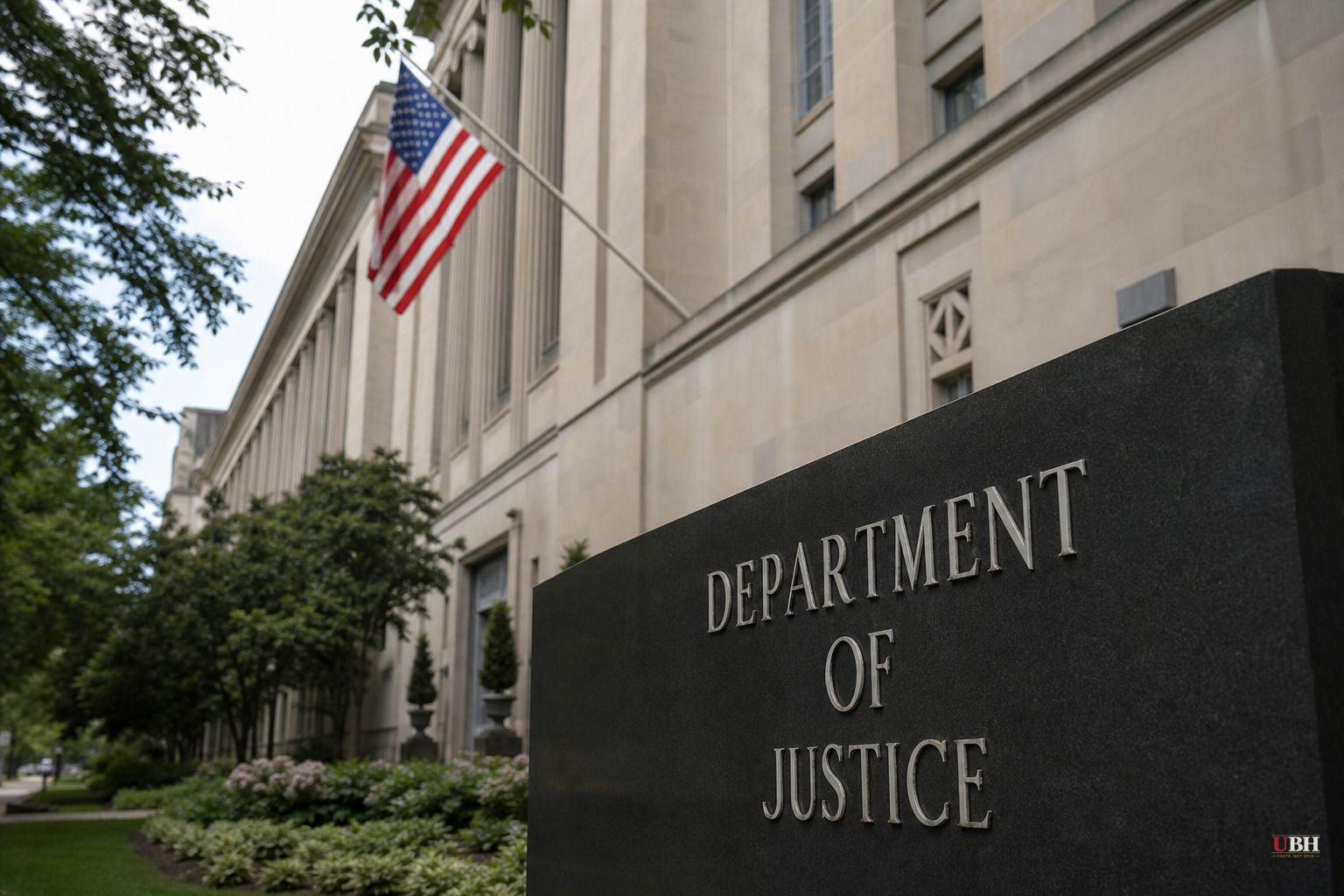
President Donald Trump has nominated Adam Candeub, currently general counsel at the Federal Communications Commission, to lead antitrust enforcement at the Department of Justice. Candeub's paper trail shows a nominee who wants that job to do a lot more than break up monopolies.
In a Heritage Foundation chapter titled "Restoring Obscenity Regulation in an Internet Age," part of the Project 2025 policy blueprint, Candeub argues for criminalizing online pornography, according to Reason. He frames this as necessary to "protect marriage and promote human flourishing," writing that earlier generations took "measures to curb access to [sexual material] so that sexual desire could be channeled more easily into marriage."
Candeub praises the Supreme Court's 2025 ruling in Free Speech Coalition v. Paxton, which upheld state laws requiring ID verification on websites hosting content lawmakers deem "harmful to minors," Reason reported. He wants to go further, writing the decision "opens the door both to a reconsideration of the current legal structure governing obscenity and, perhaps, to a return to the regulatory approach of the past."
That "approach of the past" is specific. Candeub cites New York's 1866 Obscene Literature Act, which criminalized selling or giving away any "obscene and indecent" book, pamphlet, drawing, painting, or photograph. He references the Hicklin standard, the 19th-century legal test asking whether material would "deprave and corrupt those whose minds are open to such immoral influences." Under that standard, states prosecuted works now considered literary classics, including Theodore Dreiser's An American Tragedy, D.H. Lawrence's Lady Chatterley's Lover, and James Joyce's Ulysses.
Candeub takes a shot at the 20th-century judges who protected Ulysses from obscenity prosecution, scoffing that they "imagined they had a moral duty" to do so, per Reason's account of his writing. He does not explicitly call for prosecuting people over literature today, but he does describe the current legal approach to obscenity enforcement as "a social suicide pact."
Candeub's other major policy interest is Big Tech, and he brings an expansive view of what antitrust law should cover. In his Project 2025 writing, he suggests regulators should weigh social media's effect on Americans' happiness when evaluating whether platforms are violating antitrust law, according to Reason.
This represents a departure from how antitrust law has traditionally worked. The consumer-welfare standard that has governed U.S. antitrust enforcement for decades focuses on price effects, output, and market competition, not subjective measures like user happiness or morality. Candeub's approach would fold cultural and psychological arguments into a legal framework built around economic harm.
Supporters of tougher tech regulation, including figures on both the populist right and the antitrust-focused left, have argued for years that traditional consumer-welfare antitrust doctrine lets dominant platforms escape scrutiny because it can't account for harms like addiction, censorship, or market gatekeeping that don't show up as higher prices. Lina Khan's FTC under Biden pushed similar expansions of antitrust theory, just aimed at different targets. Candeub's nomination suggests that push against tech dominance is bipartisan in spirit, even if the underlying values driving it differ sharply.
The case against it is straightforward. Antitrust law exists to police market competition, not to legislate morality or measure emotional well-being. Critics of Candeub's approach would argue that folding subjective happiness metrics into antitrust enforcement invites regulators to punish companies based on ideological disagreement rather than provable economic harm, and that reviving 19th-century obscenity standards risks sweeping in protected speech, as it did with Ulysses and Lady Chatterley's Lover.
No Senate confirmation hearing date has been reported. Candeub currently serves as FCC general counsel and would need Senate confirmation to take the DOJ antitrust post.
Separately, Reason also reported this week on New York City Mayor Zohran Mamdani's rollout of more than 50 deregulatory reforms aimed at small businesses, including eliminating the city's frozen dessert permit and streamlining barbershop licensing. Mamdani, a self-described democratic socialist, announced the changes Monday alongside an executive order creating a task force to identify further regulatory cuts. Not all the reforms take effect immediately. Some require City Council legislation or cooperation from state lawmakers in Albany, according to amNY.
The two stories aren't directly related, but they land in the same week as a reminder that deregulatory instincts don't sort cleanly along party lines. A socialist mayor is cutting permit fees while a conservative DOJ nominee wants to expand what counts as prosecutable obscenity and antitrust harm. The open question for Candeub is whether Senate Judiciary Committee members, when a hearing is eventually scheduled, will press him on how his obscenity and antitrust theories would translate into actual DOJ enforcement priorities.
Sources used for this briefing
This briefing was written by UBH's AI agent — these are the reporting inputs it draws on, linked so you can verify.


