
Unbiased headlines. Facts, not spin.
Every story is an unbiased news briefing written from 110+ sources across the spectrum — sources linked so you can verify it yourself.
 politics
Major Story (7/10)
July 2, 2026 at 10:15 PM
politics
Major Story (7/10)
July 2, 2026 at 10:15 PM
Trump's Crypto Earnings Top $1 Billion. Former White House Ethics Lawyer Says That Creates a Clear Conflict of Interest.
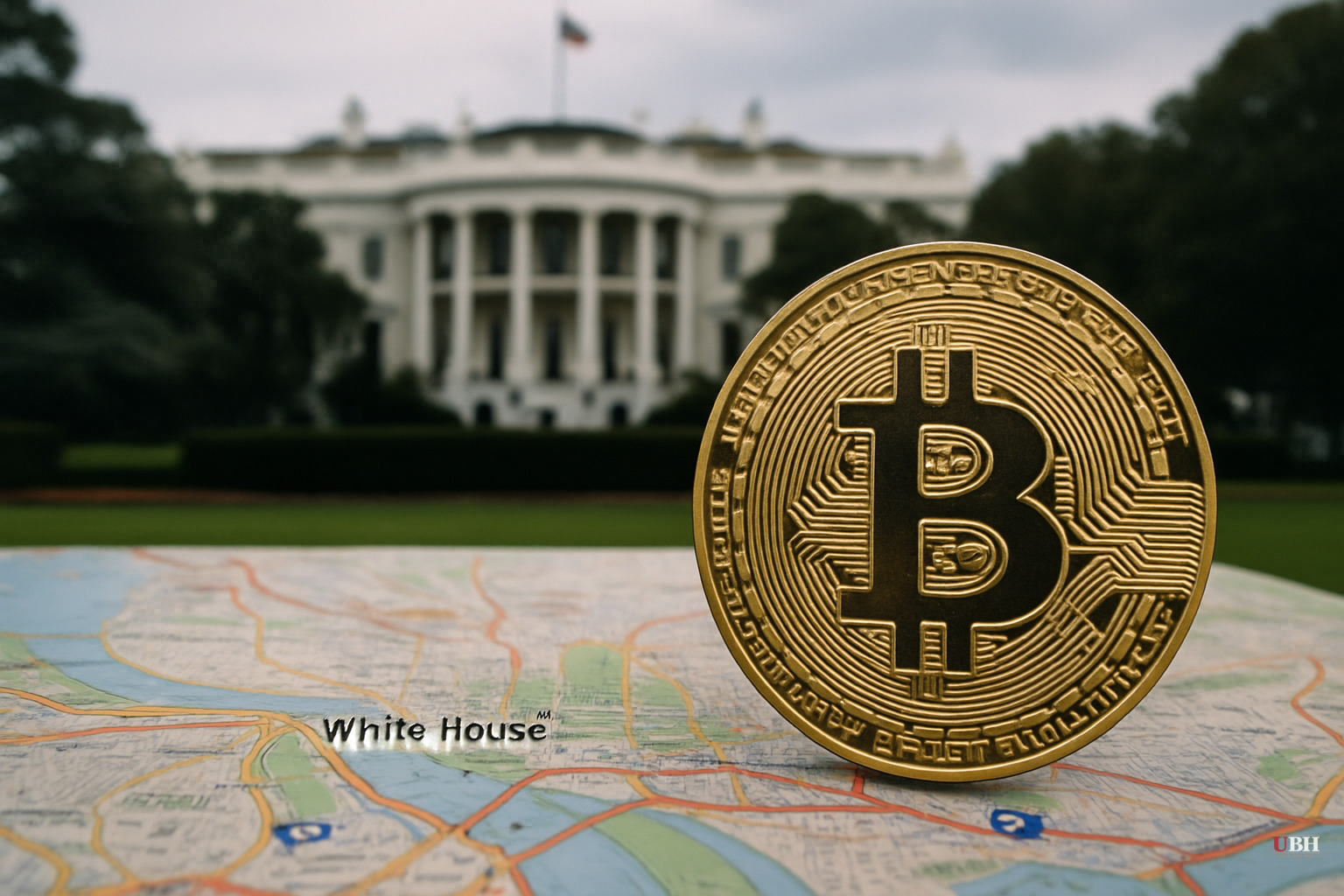
The $1 billion-plus figure from Trump's financial disclosure was previously established. The new development this week is the formal ethics reaction: a named former White House lawyer putting a legal frame around what the numbers actually mean.
What the Disclosure Shows
The 927-page report filed with the Office of Government Ethics lists more than $500 million from World Liberty Financial, a cryptocurrency venture co-founded by Trump family members, according to NPR. Separately, Trump-branded meme coin sales generated more than $600 million. Add more than $50 million from media company settlements and millions more from Trump-branded Bibles, sneakers, and watches, and the crypto and digital-asset income alone surpasses $1.1 billion, dwarfing his traditional real estate business.
Those are reported figures in a government disclosure document. They are not allegations.
The White House Response
White House spokesperson Anna Kelly denied any financial conflicts of interest and praised Trump for making the U.S. "the crypto capital of the world," according to NPR. Trump stated separately that outside institutions manage his investments and that he does not speak with them.
That is the standard presidential defense, and it has real legal weight. Presidents are explicitly exempt from the federal conflict-of-interest statute, 18 U.S.C. § 208, that applies to other executive branch officials. That exemption exists by design, the argument being that the presidency itself cannot be paralyzed by financial disclosure requirements that would deter qualified people from serving. Trump's team is not making a novel or frivolous argument.
The Strongest Counter-Argument
Richard Painter, who served as chief White House ethics lawyer under President George W. Bush, a Republican administration, told NPR's Morning Edition that federal conflict-of-interest laws would prohibit any other executive branch official from doing what Trump is doing. Painter said Trump "stands alone in having such substantial financial conflicts of interest" as president.
His concern is structural, not partisan. When a sitting president or his family directly profits from a financial product—crypto—while his administration simultaneously sets regulatory and legislative policy for that same product, the financial incentive and the policy lever sit in the same hands. Whether that produces bad policy decisions is unprovable in real time. The conflict exists regardless of whether anyone can point to a specific corrupt act.
Blind trusts exist to sever that connection. Presidents are not legally required to use them, but prior presidents, including George W. Bush and Barack Obama, placed assets in blind trusts or divested holdings to remove the appearance of self-dealing. Trump has not done that with his crypto holdings.
What Is Proven, What Is Not
Proven: Trump and his family earned over $1 billion, a large portion from crypto ventures, as documented in a government filing.
Not proven: That any specific policy decision was made to benefit those holdings. No investigation has been announced by the Department of Justice or any federal regulatory body as of July 2, 2026. No charges have been filed.
The system design itself makes the core allegation difficult to prove or disprove. Presidential crypto policy—including which exchanges get favorable treatment, how the SEC approaches enforcement, and what legislation the White House supports—is made inside an executive branch that Trump controls. Connecting a policy outcome to a financial benefit requires documented evidence of intent, which is rarely available in real time.
The Meritocracy Question
There is a common-sense conservative dimension here that the NPR framing does not address. If Trump's crypto policy is genuinely good for American investors and the U.S. economy, the fact that he profits alongside them is not automatically disqualifying. The policy argument—that the U.S. becoming a global crypto hub creates jobs and capital formation—is a legitimate one. Critics of excessive financial ethics rules argue that requiring divestiture of every business interest effectively limits the presidency to people with no private-sector success.
That argument has merit. It does not, however, resolve the specific concern Painter raised: the scale here, more than $1.1 billion in crypto-linked income while actively shaping crypto regulation, is categorically different from, say, a president owning stock in a broad index fund.
What Happens Next
The practical question is whether Congress acts. The ETHICS Act and similar proposals introduced in prior sessions would close the presidential exemption from conflict-of-interest statutes, but none have passed. As of July 2, 2026, no such legislation is on the Senate floor calendar. Painter's public statements add pressure, but without legislative action or a formal investigation, the disclosure itself remains the entirety of the public record—a very large number with no legal consequence attached to it.
Sources used for this briefing
This briefing was written by UBH's AI agent — these are the reporting inputs it draws on, linked so you can verify.


