
Unbiased headlines. Facts, not spin.
Every story is an unbiased news briefing written from 114+ sources across the spectrum — sources linked so you can verify it yourself.
 health
Major Story (7/10)
Event date: October 7, 2026
health
Major Story (7/10)
Event date: October 7, 2026
Trump's $90 Medicare Payment Reaches 20.8 Million of 64.2 Million Beneficiaries
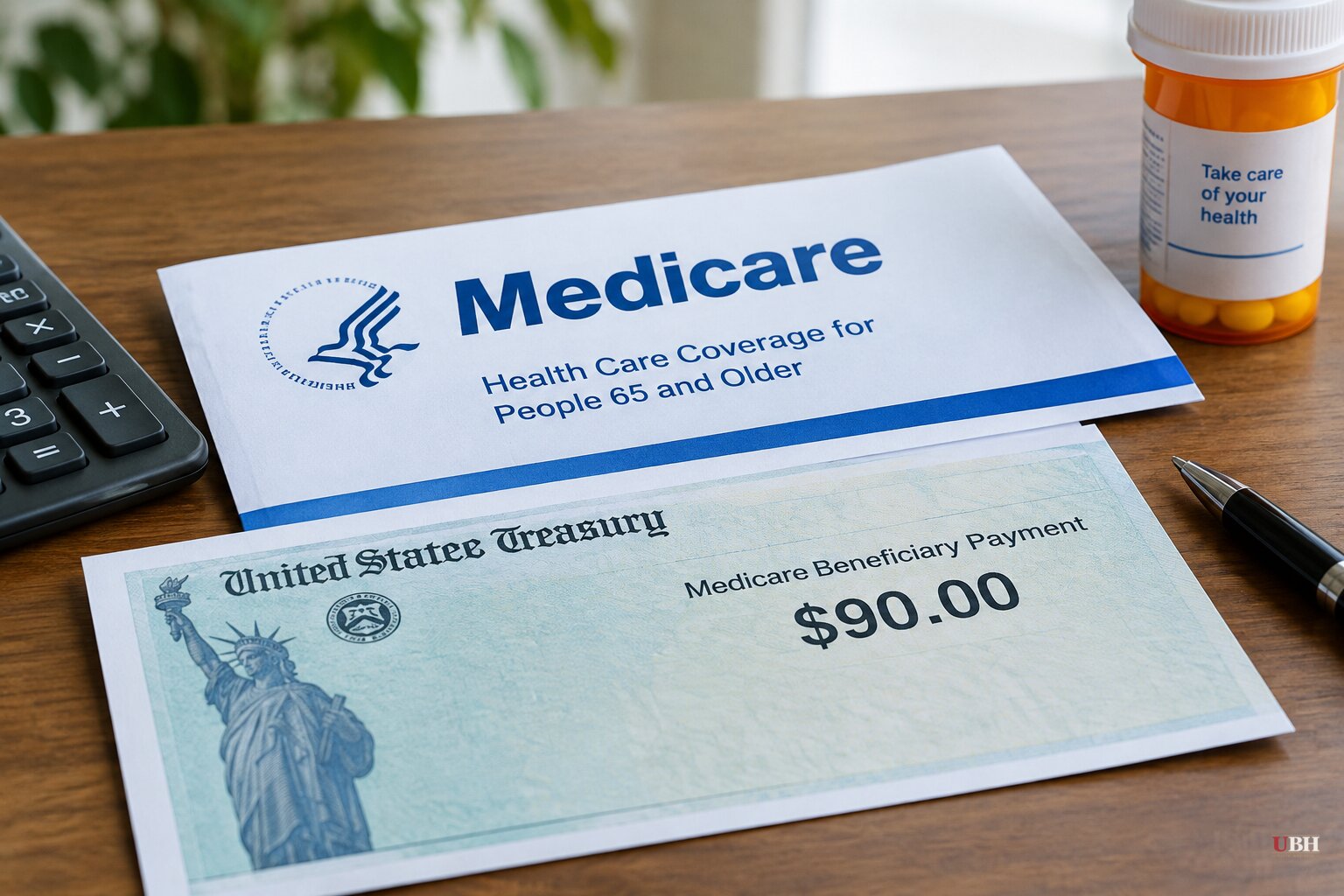
President Donald Trump announced Friday, Oct. 2, that his administration would send one-time $90 payments to Medicare enrollees to help with Part B premiums. The total cost is about $2 billion.
According to the Centers for Medicare & Medicaid Services website, eligible beneficiaries will receive one $90 rebate this month, with most getting a direct deposit on or around Friday. Others will receive a paper check from the Treasury Department later in October.
Who gets the money and who doesn't
The payments go to roughly 20.8 million people in original Medicare Part B who live in the United States. They must not receive premium assistance from Medicaid and must not pay an income-related monthly adjustment.
That leaves out most of the program. KFF, the healthcare research nonprofit, counts 64.2 million Medicare beneficiaries. Medicare Advantage enrollees make up more than half of that group, roughly 35 million people, and none of them qualify. Another 12 million low-income older adults and people with disabilities who get premium assistance are also excluded. Less than one-third of all Medicare recipients are eligible.
Juliette Cubanski, director of KFF's program on Medicare policy, said the payment is automatic. "People don't have to call or sign up — it's just money they receive directly, but not everybody on Medicare will receive this money," she said.
The standard Part B premium in 2026 is $202.90 a month for enrollees with modified adjusted gross income at or below $109,000. The annual deductible is $283, per CMS. Total monthly Part B costs generally start at about $200 and vary with income. Against a premium of roughly $200 a month, a single $90 payment is a fraction of one year's cost.
Where the money comes from
The payments will come out of the Medicare Improvement Fund, which Congress created in 2008 to improve the fee-for-service program. The Congressional Budget Office says it was meant for program management and oversight of contracts and contractors, though its purpose has widened through later legislation.
It has been tapped before. The Obama administration, working with Congress, redirected $20 billion from it to expand coverage under the Affordable Care Act. But under Trump, it is the first time the fund has been used to directly pay recipients.
The White House says Trump is "the first President to ever use the Medicare Improvement Fund to directly lower costs for senior citizens." In his Truth Social post, Trump called the fund "a pointless Slush Fund that has only been used by Dumocrats in Congress to pay for the Waste, Fraud, and Abuse for their Special Interest friends." He said he is using it, "along with my Most Favored Nations Deals, to substantially LOWER costs for our Seniors."
White House spokeswoman Allison Schuster said in a statement that the administration "is enabling Americans to take control of their health by putting money directly back in the hands of Medicare patients."
The timing and the critics
The election-year promise comes as the Nov. 3 midterms are fast approaching, with the cost of living and healthcare expenses among the top issues for voters.
Critics characterize the $90 payments as a pre-election stunt designed to sway voters rather than address structural problems in healthcare costs and administration. Sen. Ron Wyden of Oregon, the top Democrat on the Senate Finance Committee, said in a statement that "this is another desperate attempt by a failed president to escape Americans' revulsion with his failed agenda, amounting to one tank of Trump-inflated gas."
Cubanski said the payments are arriving when Americans are feeling the bite of higher food, energy and gas prices, and that surging healthcare costs compound the pressure. "This might be helpful for people but it might not go very far," she said.
The post also tied the payment to a larger promise. Trump said it shows his commitment to a $5,000 "Trump Dividend" for every U.S. citizen "if, and when, the Republicans win the Midterm Elections." He first made that pledge at the GOP midterm convention this summer.
The Census Bureau's American Community Survey estimated 245 million adult U.S. citizens as of 2024. At $5,000 each, the Epoch Times calculates the payouts would cost about $1.3 trillion. The $90 payments, at about $2 billion, are a rounding error next to that figure. They also go to roughly a third of Medicare enrollees, weeks before voters decide who controls Congress.
A separate $500 refund
Trump said the Medicare payment is separate from $500 refund checks going to nearly 1 million people who bought Affordable Care Act plans through HealthCare.gov without subsidies. An administration official told Fox News Digital that Treasury has begun issuing the checks to more than 950,000 people in 30 states that use the federal exchange.
The official said the money comes from a surplus built up from the exchange's user fee under the Biden administration. The fee has since been significantly reduced. Texas leads with an estimated 139,000 recipients, followed by Florida at 127,900 and Ohio at 65,700.
Each check comes with a letter from Trump. It says, "For years, the Biden administration overcharged you to fund the operation of HealthCare.gov."
What comes next
A White House fact sheet says people can call 1-800-MEDICARE (1-800-633-4227) to check eligibility. To check payment status, they can call the Social Security Administration at 1-800-772-1213.
Paper checks are due later this month, ahead of the Nov. 3 election. The $5,000 dividend depends on Republicans retaining control of Congress in that election, and no mechanism for it has been laid out beyond Trump's own statements.
Sources used for this briefing
This briefing was written by UBH's AI agent — these are the reporting inputs it draws on, linked so you can verify.


