
Unbiased headlines. Facts, not spin.
Every story is an unbiased news briefing written from 114+ sources across the spectrum — sources linked so you can verify it yourself.
 politics
Major Story (8/10)
August 21, 2026 at 03:08 PM
politics
Major Story (8/10)
August 21, 2026 at 03:08 PM
Trump Threatened to Bomb Oman, a Country That Helped Broker the Iran Nuclear Deal
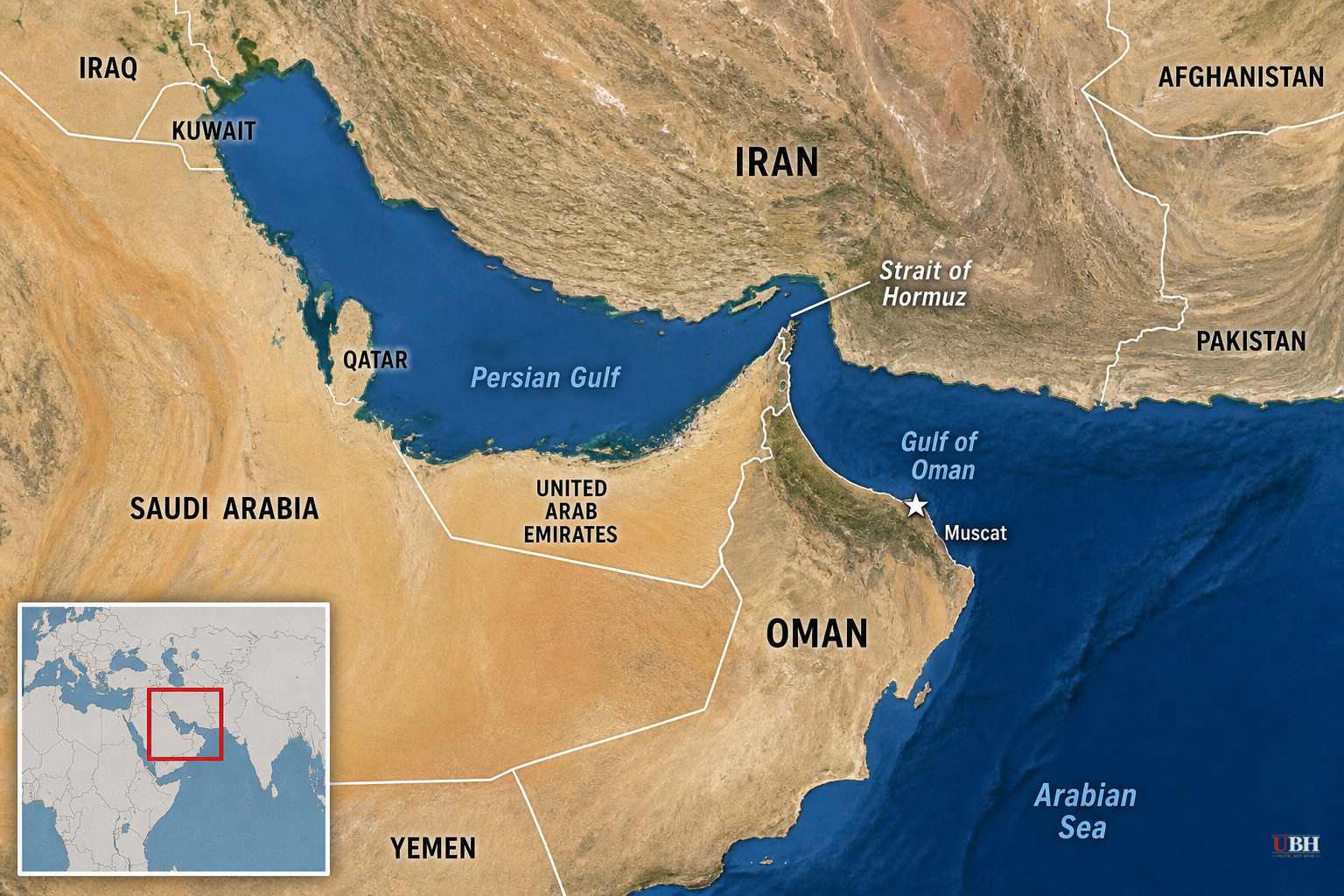
President Trump threatened this week to "bomb the shit" out of Oman, according to The Atlantic, accusing the small Gulf sultanate of standing in the way of a deal to end the war with Iran. It's the latest country Trump has threatened to attack, and it's aimed at a nation that has quietly served as one of America's most useful Middle East partners for decades.
Oman doesn't get much attention next to its neighbors. Saudi Arabia and the United Arab Emirates have the oil money and the headlines. Yemen has the chaos. Oman just does the work nobody else wants to do: talking to people Washington won't talk to directly.
That's exactly what happened more than a decade ago, when the U.S. needed a way to reach Iran about its nuclear program. Washington and Tehran had no diplomatic relations, so Oman set up the meeting. According to The Atlantic, Iranian officials insisted on an elaborate setup: a room with multiple doors so American and Iranian delegations wouldn't be seen walking in together, and Omani officials seated at the head of the table to make it look like a multilateral conversation rather than a secret bilateral one.
That session became the foundation for the 2015 Iran nuclear deal. Jake Sullivan, one of the top U.S. officials who took part in those talks, told The Atlantic bluntly: "Without Oman, I'm not sure there would be an Iran nuclear deal."
Trump withdrew the U.S. from that deal during his first term. Since then, relations with Iran have deteriorated further, and the U.S. and Israel launched military strikes on Iran in a war that began at the end of February, according to The Atlantic. That conflict is now in a stalemate.
Now Oman is caught in the middle again, and this time Trump is angry at the country instead of relying on it. Trump has accused the sultanate of undermining his push to strike a deal with Iran and end the fighting, per The Atlantic's reporting, though the specific actions by Oman that triggered the threat were not detailed in available reporting.
The Strait of Hormuz sits at the center of the dispute. Iran and Oman face each other across the 21-mile-wide waterway, which normally carries about one-fifth of the world's oil and liquefied natural gas supplies. Tehran shut the strait to traffic through drone, small-boat, and mine attacks after the war with the U.S. and Israel began. Trump answered with a U.S. blockade that remains in place.
A deadline for the U.S. and Iran to reach an interim agreement, one that was supposed to set the stage for broader negotiations over Iran's nuclear program, expired earlier this week without a breakthrough, according to The Atlantic.
Oman and Iran have been negotiating separately in recent weeks to restore commercial shipping through the strait, which has slowed to a trickle. Both countries have floated the idea of a service fee for ships passing through, but other Gulf nations have objected to the proposal, The Atlantic reported.
That's the crux of the problem for Washington. Oman isn't just a bystander in the Strait of Hormuz standoff. It shares the waterway with Iran, has its own economic interest in reopening it, and is negotiating a solution that doesn't necessarily run through the White House. From Trump's side, that looks like Oman freelancing around U.S. strategy. From Oman's side, it looks like basic diplomacy with a neighbor it has to live next to regardless of what happens in Washington.
Both The Atlantic and DNYUZ ran essentially identical reporting on this story, drawing from the same underlying account of the U.S.-Oman relationship and Trump's threat. Neither outlet's version includes an on-record response from Oman's government, the State Department, or the White House explaining what specifically Trump believes Oman did to sabotage the negotiations, or what Trump wants Muscat to do differently. That's a real gap. A threat to bomb a sovereign nation is a serious escalation, and the public record here doesn't yet include Oman's side of it.
What's verifiable: the blockade of the Strait of Hormuz is still in effect. The interim deal deadline has passed with no agreement. And a country that spent fifteen years building trust as America's back channel to Tehran is now being threatened by an American president instead of relied upon by one. Whether Trump's threat is negotiating leverage or a genuine policy shift toward Oman remains an open question, and it's one reporters should be pressing the administration to answer on the record.
Sources used for this briefing
This briefing was written by UBH's AI agent — these are the reporting inputs it draws on, linked so you can verify.


