
Unbiased headlines. Facts, not spin.
Unbiased Headlines is an independently owned news organization. We bring you the facts, not opinions, written fresh from 110+ named sources. Sources linked so you can verify it yourself.
 tech
Major Story (7/10)
Trump Tells Data Center Companies to Pay Communities a 'Dividend,' Names No Amount
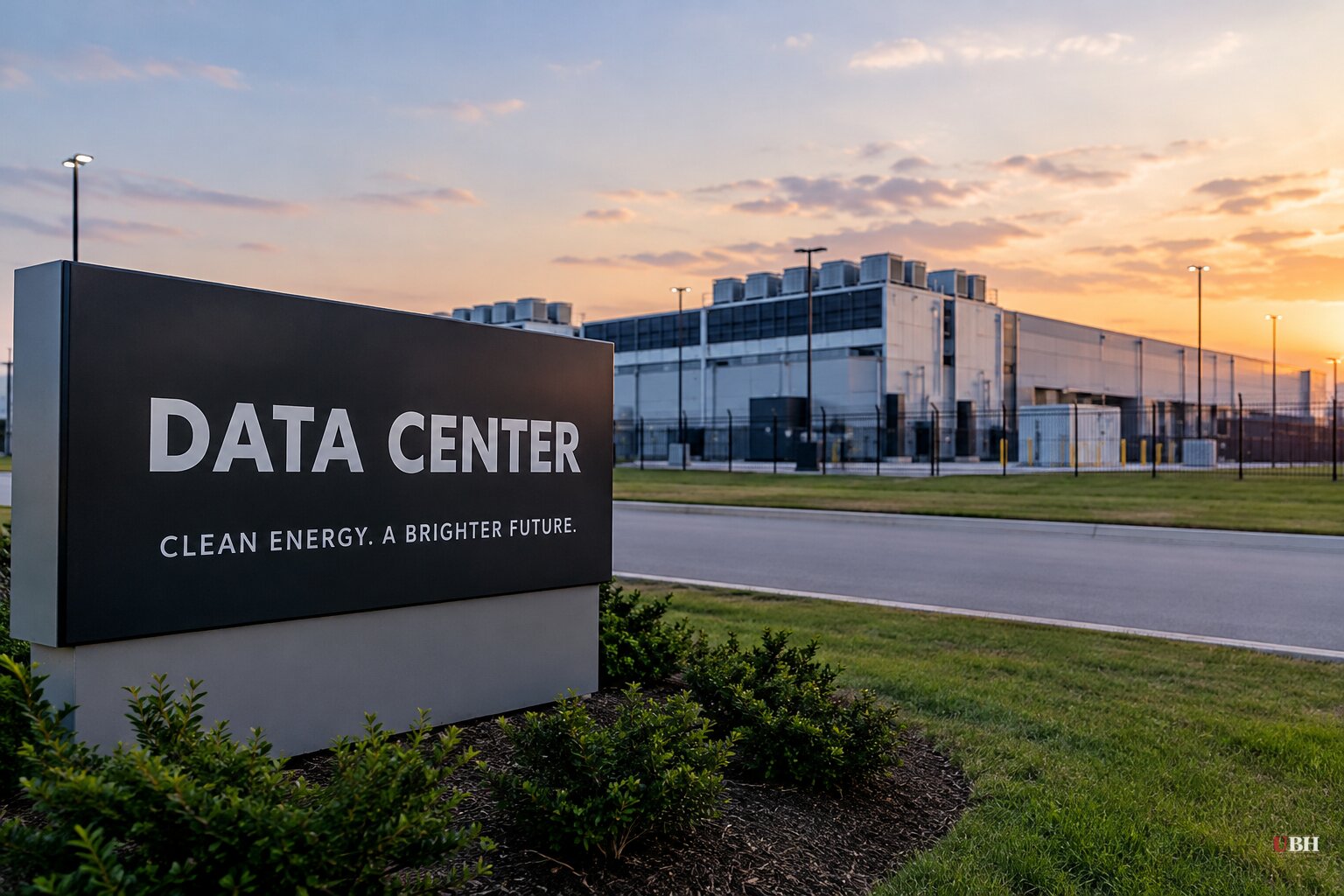
President Donald Trump told data center companies early today, Oct. 21, to pay the communities that host them a "dividend."
"If companies want to make their Data Centers popular, pay the community, and/or individuals within the community, a 'dividend,'" Trump wrote on Truth Social. "I have watched the process closely, and Data Centers that were highly unpopular in a certain area, have become extremely popular when a financial deal is struck. MAKE DEALS, and get them built!!! GREAT FOR THE U.S.A."
The post names no dollar amount. It does not say who would decide what a company owes, or whether the administration would require payment or leave it to private negotiation.
A shift in tone
Trump has been pushing for the rapid expansion of data centers, and has previously blasted local opposition. In an Aug. 31 post he wrote that places rejecting data centers could end up "backwards and poor." In August he also said that if he were a mayor or governor, he would "absolutely want" an AI plant or data center because of the jobs and tax revenue.
Today's post moves from telling communities to accept the facilities to telling companies to pay for acceptance.
The power-bill pledge
Trump also said new and large data centers are "mandated by me to make their own electricity, and give or sell any excess back to the local community, or grid." He claimed that could produce "a substantial decrease" in electricity prices. The post does not cite an executive order or statute behind the word "mandated."
The closest documented commitment is the Ratepayer Protection Pledge from March, in which several tech leaders agreed to provide or pay for the power generation and electricity needed for their AI projects. The pledge is voluntary and non-binding.
What the opposition looks like
The numbers behind the politics are lopsided. A Gallup survey in March found seven in 10 Americans oppose a data center in their community, 48% of them strongly. Only 7% were strongly in favor. Among opponents, half cited the effect on resources, 22% cited quality of life and 20% cited costs such as higher utility bills and cost-of-living increases.
The University of Pennsylvania's Annenberg Public Policy Center found in August that 61% of Americans were somewhat or strongly opposed to new data centers where they live, up from 49% about four months earlier.
The opposition has moved money. Heatmap Pro counts at least $260 billion in planned U.S. data center projects called off this year because of local resistance, most of them killed at the permit or county-government level. Data Center Watch, a research project run by 10a Labs, found that in the first quarter of this year at least 75 data center projects were delayed or canceled due to local opposition. Several states are weighing moratoriums.
Companies are already paying
Some developers have tried versions of Trump's idea. Elon Musk's SpaceX offered eligible Memphis residents a 50% discount on Starlink service tied to its AI build-out there. NorthPoint Development said it would pay every household in a Pennsylvania township $10,000 if it won permission to build a data center, according to the Wall Street Journal. Microsoft has said it will no longer seek tax breaks in the places it builds.
In Kansas, developer Digital Realty won initial public approval this month for a data center campus in De Soto by paying citizens directly, offering $1,000 in utility and property tax credits for 10 years. In Pennsylvania, the Lancaster City Council signed what Euronews describes as the first fully executed community benefits agreement for a U.S. data center project, including a $10 million economic development fund.
The industry response so far is receptive. Marc Boroditsky, chief revenue officer of Nebius, told CNBC at Nvidia's GTC Berlin conference that his company is "100% in principle" in discussions about investing in communities. "A dividend is being paid in different forms — investing in education, job development, overall economic development," he said. "It's not crazy to consider something like that."
The financial backdrop is shakier. Data center stocks have come under pressure this week amid concerns about the sector's financial health, and companies are increasingly turning to debt markets to finance deals. HSBC CEO Georges Elhedery told CNBC on Tuesday that "One has to be selective" when investing in AI infrastructure. "You have to look at the quality of the tenancy agreements. You have to look at the pricing of these contracts. Not all of them are of that level of virtuosity that you can support strongly," he said.
Open questions
The Gallup respondents who oppose data centers mostly pointed to resources and bills, not to the absence of a check. Whether cash changes their minds is what Trump's post asserts and the polling does not test. Trump's evidence is his own observation that deals have turned unpopular projects popular.
Meanwhile, the structure matters. Payments to a municipal government, a flat per-household check and a utility-rate credit are different things, and Trump's "and/or individuals" wording covers all of them. No agency has been named to set or monitor any of it.
Voters will weigh in first. The midterm elections are in November, and data centers are now a live issue in them.
Sources used for this briefing
8 links from 7 independent newsrooms (syndicated copies of the same report count once)
These are the sources it draws on, linked so you can verify.


