
Unbiased headlines. Facts, not spin.
Unbiased Headlines is an independently owned news organization. We bring you the facts, not opinions, written fresh from 110+ named sources. Sources linked so you can verify it yourself.
 tech
Major Story (8/10)
Event date: October 14, 2026 ·
WSJ Reports Musk Ordered Ukraine Starlink Speed Cap Last Week; Hegseth Says Pentagon Gave No Directive
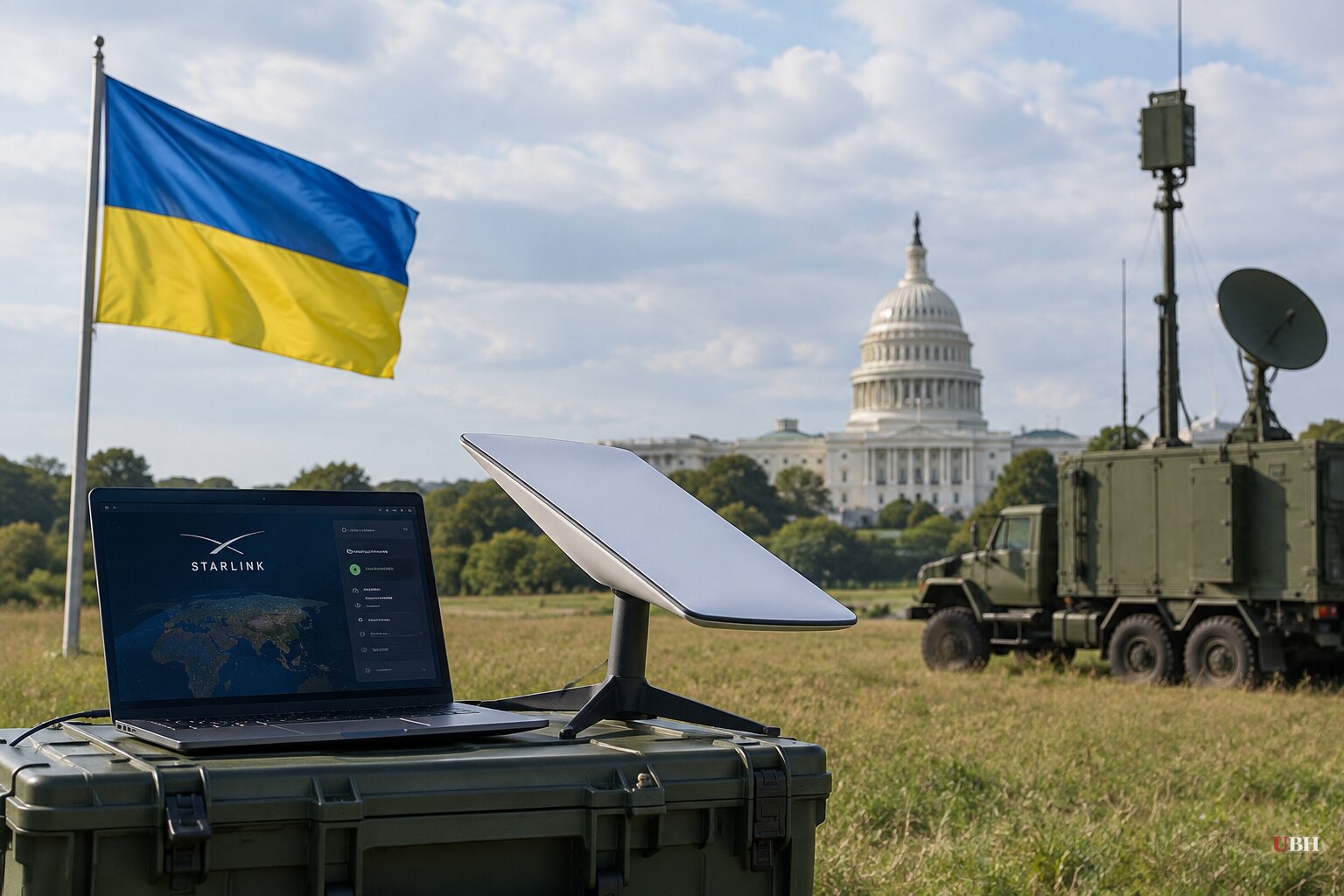
Since last week, when Ukraine first complained that its military satellite connection had been throttled, the question has been who gave the order. On Tuesday, Oct. 20, the Wall Street Journal answered it, citing U.S. officials and people familiar with the matter: Elon Musk.
According to the Journal, Musk "capped the speeds at which Ukrainian hardware could stay connected to the satellite-based network." The paper reported that the cap left some Ukrainian drones virtually inoperable. Ukraine uses the system for battlefield communications and for both attack and air-defense drone missions.
That account contradicts what Musk said publicly. Last Wednesday he wrote on X that Starshield, the military version of Starlink, is "owned and controlled by the US government," and that any speed or usage limits are "decided by the US military and ultimately POTUS."
What the Journal says about Trump's role
The Journal reported that Musk and President Trump discussed the Starlink decision on a call soon after the slowdown became public, while Trump was campaigning last week. The report added that the two men had also discussed it before the cap went on.
One of those sources went further. That person said Musk talked it over with multiple senior Trump administration officials, the president included, before imposing the cap. That is one anonymous claim about named people, and none of them has confirmed it.
Musk, SpaceX and the White House did not immediately respond to requests for comment. The Journal story landed minutes after SpaceX released quarterly earnings. According to CNBC, it did not come up on the investor call with Musk that followed.
Washington's denials
The administration's public line is that nobody in the government ordered anything.
Defense Secretary Pete Hegseth told reporters Tuesday: "We haven't pulled anything back. Nothing's changed from our view. We haven't made any directives or anything like that." He pointed to contract language instead. "There are terms of service that ultimately need to be complied with," Hegseth said, adding that "that's where Starlink has the option to make those decisions."
Secretary of State Marco Rubio also denied that Washington ordered a reduction. He said Starlink is a commercial service run by SpaceX, while Starshield is a separate military product used by the U.S. military. In his words, Starshield "is not available to Ukraine, and it is under discussion how they want to use it."
Trump said Monday he did not know who ordered the interruption. "But I'd like to find out," he said. Last week he said he did not think either he or Musk was responsible for Ukraine losing access.
Those statements do not fit together cleanly. Musk says the military or the president set the limits. Hegseth says the military changed nothing. Rubio says the military product isn't Ukraine's to use in the first place, which is hard to square with Ukrainian units depending on it. The Journal's sourcing puts the decision with Musk, and Reuters reported earlier, citing its own exclusive reporting, that the order to limit the system came from inside the White House.
The Journal also reported that Zelensky's public complaints triggered an informal White House investigation into the slowdown. No results have been announced.
The wider backdrop
The speed cap came as U.S.-Ukraine relations were already deteriorating. Trump has announced a deal to buy Russian diesel, waived new sanctions on Moscow, told Kyiv to stop hitting Russian refineries, and urged Ukrainians to replace Zelensky. Trump blames Ukrainian strikes for higher fuel prices at home. Bloomberg noted that most of this year's rise in diesel and gasoline costs followed Trump's decision to join Israel in striking Iran.
Zelensky has said that after the slowdown "people will die" and called the move a "big mistake." In a Sunday interview with Bloomberg, he accused Trump of trying to coerce Ukraine into capitulating to Russia.
On Tuesday, in Oslo with the leaders of Norway and Finland, his tone was warmer. He said he had discussed intelligence sharing and Starlink access with special envoy Steve Witkoff. "We've been very concrete, and the organization was very positive," Zelensky said. He also said he raised "the situation with Starlink/Starshield, which needs to be restored" with Rubio.
What is still open
Two questions remain. First, whether anyone in the administration approved the cap in advance, as the Journal's anonymous source claims, or learned of it afterward. Second, whether the speed limit gets lifted.
Neither the White House nor Musk has said when, or whether, full speeds return to Ukrainian units. Trump says he wants to find out who gave the order. The informal White House inquiry the Journal described is the one process that could settle it, and so far no one has said when it will report.
Sources used for this briefing
7 links from 7 independent newsrooms (syndicated copies of the same report count once)
These are the sources it draws on, linked so you can verify.


