
Unbiased headlines. Facts, not spin.
Every story is an unbiased news briefing written from 110+ sources across the spectrum — sources linked so you can verify it yourself.
 finance
Notable (6/10)
June 19, 2026 at 04:07 PM
finance
Notable (6/10)
June 19, 2026 at 04:07 PM
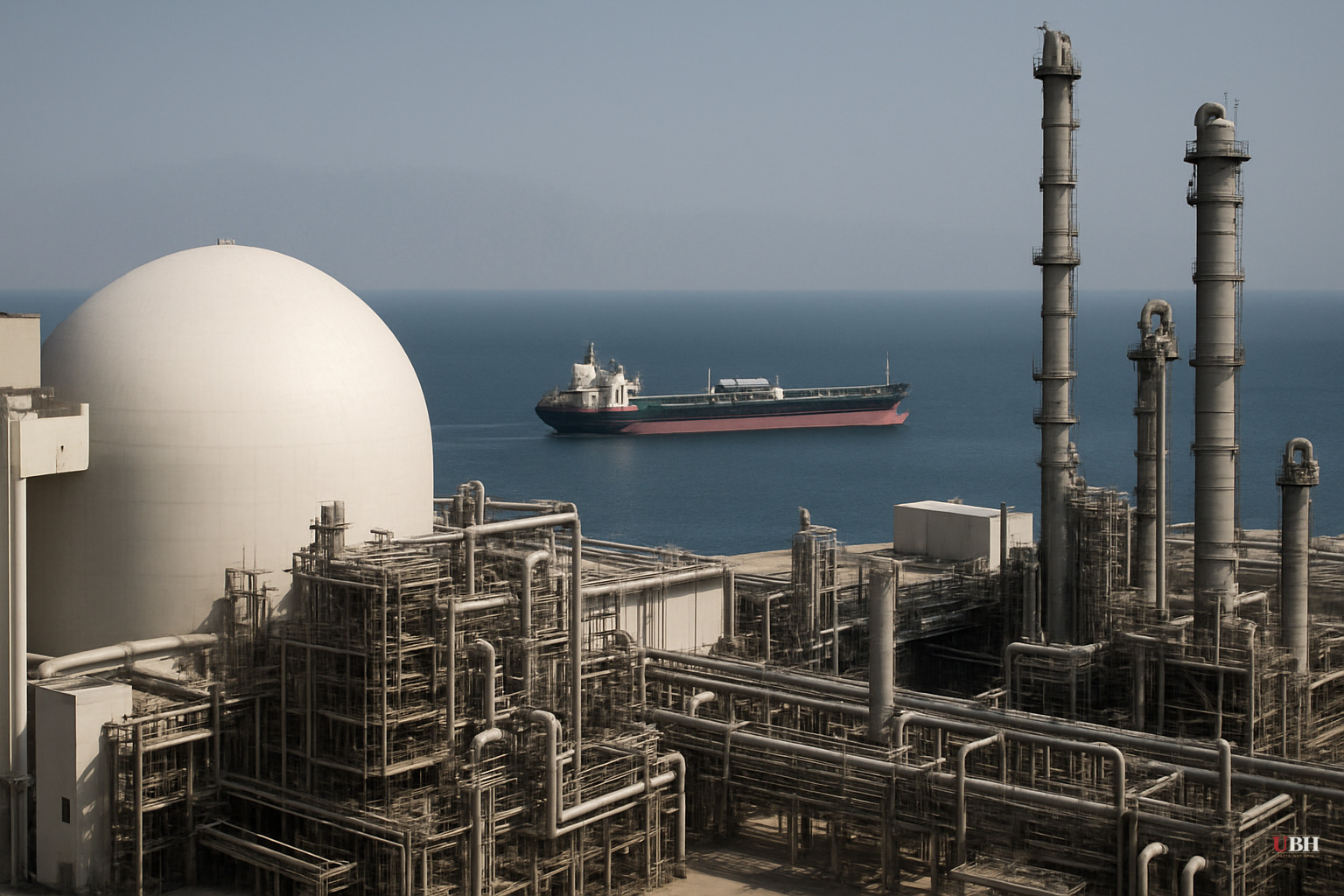
Trump Signs Agreement with Iran on Uranium Dilution and Strait of Hormuz Access
What Was Signed
President Donald Trump announced Wednesday that the U.S. and Iran had signed an agreement addressing two of the most consequential issues in the relationship between the two countries: Iran's nuclear program and access to the Strait of Hormuz.
According to BNN Bloomberg, the U.S. claims the deal will require Tehran to dilute its stockpile of highly enriched uranium. It would also waive existing sanctions on Iran, allowing Tehran to sell its oil freely on international markets immediately, not phased in and not conditional on verification milestones.
The Energy Angle Is Real
Iran sitting on oil it couldn't freely export for years represents a meaningful supply addition if this agreement holds. BNN Bloomberg also reported that U.S. Energy Secretary Chris Wright said oil exports through the Strait of Hormuz and the Gulf will "continue to rise."
Separately, India is reportedly considering Canada as a potential crude oil supplier, according to BNN Bloomberg, citing a statement from an Indian envoy. Whether that reflects a hedge against the Iran deal's uncertainty or a longer-term diversification move isn't clear from the sourcing available.
Oil shipments through the Strait of Hormuz have already been rising, though BNN Bloomberg noted Thursday that questions are growing over Iran's stated transit terms. Gas prices have eased on Middle East optimism, per the same reporting, but markets haven't fully committed. The outlet's own framing was "no one sure if relief will last."
What We Don't Know Yet
The most serious concern critics of this deal will raise is legitimate: verification. Highly enriched uranium doesn't just disappear because a document says it should. The 2015 Joint Comprehensive Plan of Action, the Obama-era nuclear deal, had extensive inspection protocols negotiated over years, and Iran still found ways to push limits. What inspection or verification regime is attached to Wednesday's agreement has not been publicly detailed in the sources available as of June 19, 2026.
Skeptics are right to ask who monitors compliance, what happens if Tehran doesn't dilute the material on schedule, and whether sanctions snap back automatically or require another round of diplomatic wrangling. Those aren't partisan questions. They're the basic mechanics of any arms-control agreement.
The flip side is also worth stating plainly: a deal that actually removes highly enriched uranium from Iran's program and reopens Hormuz to unimpeded shipping would represent a genuine strategic win for global energy markets, for regional stability, and for U.S. leverage in the Middle East. If it works, the skeptics will have been wrong. The issue is that "if" is doing heavy lifting here.
What Markets Are Doing
As of late morning on June 19, the S&P/TSX Composite was down in trading, and gold prices were lower, according to BNN Bloomberg's live market coverage. Global shares eased as investors weighed the U.S.-Iran peace talks alongside a yen approaching 40-year lows, per BNN Bloomberg's international markets summary.
The IEA, according to BNN Bloomberg, has forecast the possibility of critically low oil stockpiles before peak summer demand, a data point that makes the timing of any sanctions relief on Iranian crude exports particularly significant.
OPEC's secretary general said Thursday that oil demand is expected to remain robust and the organization is not revising its estimates, also per BNN Bloomberg.
The Open Question
There is no independent confirmation available in these sources of what specific uranium dilution timeline, inspections regime, or snapback mechanism is written into Wednesday's agreement. The U.S. government's characterization of the deal's terms is the only account on record as of June 19, 2026. Whether the text of the agreement will be published, submitted to Congress, or subjected to any legislative review process is an unresolved question that will define whether this is a durable framework or a handshake with an expiration date.
Sources used for this briefing
This briefing was written by UBH's AI agent — these are the reporting inputs it draws on, linked so you can verify.


