
Unbiased headlines. Facts, not spin.
Every story is an unbiased news briefing written from 110+ sources across the spectrum — sources linked so you can verify it yourself.
 finance
Major Story (7/10)
August 2, 2026 at 10:21 PM
finance
Major Story (7/10)
August 2, 2026 at 10:21 PM
Trump Says US Is Making Money Off Yen Intervention, Won't Say How
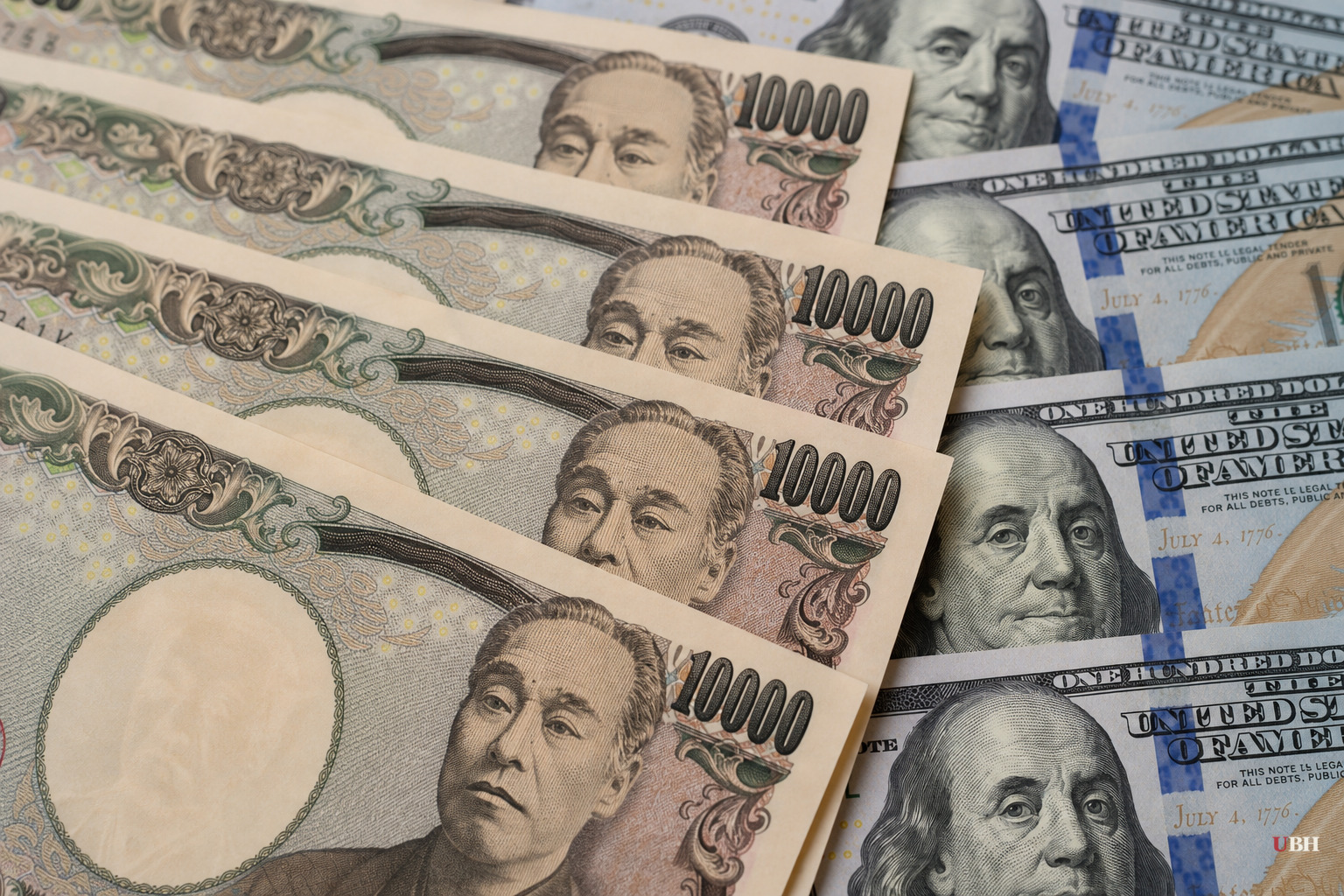
Since the Financial Times confirmed last Friday that the US Treasury bought yen through the New York Fed, using Goldman Sachs and Morgan Stanley as conduits, President Trump has added a new wrinkle: he says the US is making money on it.
Trump said the United States is intervening to support the Japanese yen because of the strength of the US-Japan relationship, calling Washington "always there for Japan." He framed the currency support as part of the broader alliance, not a standalone financial decision. Then he added that the US is also getting a "financial benefit" from the arrangement.
He did not explain what that benefit actually is. No numbers, no mechanism, nothing traders can independently verify.
What We Actually Know
The Treasury purchase happened last Friday. The New York Fed sold euros and bought yen on the Treasury's behalf, according to the Financial Times, which cited people familiar with the matter. The report did not disclose the size of the operation.
Reuters separately reported the Treasury told major banks earlier that same Friday it could enter the FX market and told them to stand ready. A Reuters photograph of Treasury Secretary Scott Bessent's handwritten notes from a Camp David cabinet meeting showed a to-do list including: "Buy Japanese Yen (JPY) $5-10 bil."
A range, not a confirmed figure. A photo of a notepad, not an official Treasury statement.
This was the first time the US has directly intervened to support the yen since 2011, when G7 nations acted together after the Fukushima disaster to stop the yen from appreciating too fast. This time it's the opposite problem. The yen had fallen to its weakest level against the dollar in roughly four decades, driven by wide interest-rate differentials between Japan and the United States that have pushed investors to sell yen in favor of higher-yielding dollar assets.
The 'Financial Benefit' Claim Doesn't Add Up on Its Own
Currency intervention isn't typically a profit center. The Treasury sold euros and bought yen. If the yen strengthens after the intervention, the Treasury's yen holdings gain value in dollar terms. That's a real possible mechanism. If it doesn't hold, they take a loss.
A plausible version of "financial benefit" exists: if the intervention works and the yen recovers, the Treasury could show a paper gain on its position, similar to how any central bank profits or loses on FX reserves depending on which way rates and currencies move. Trump didn't say that. He also didn't rule out that he's just talking up the trade to project confidence, which is a pretty normal thing for a president to do when currency markets are jumpy.
The skeptical view is that this is Trump talking his book publicly the way he talks about tariffs or trade deals: as wins, regardless of whether the underlying mechanics support the claim. There's no Treasury statement, no Fed disclosure, backing up the specific claim of financial benefit. Neither the Treasury Department nor the New York Fed has commented on the intervention at all, according to Tekedia's reporting citing the FT and Reuters.
Why This Matters for Rate Policy
The interest rate gap between the US and Japan is the entire reason the yen carry trade exists in the first place, and it's the reason the yen kept sliding even as the Bank of Japan gradually tightened policy after ending years of negative interest rates. Japanese borrowing costs remain well below those in the United States, which has limited the currency's recovery.
If the US is serious about defending the yen long-term, that dynamic matters: the rate differential driving yen weakness doesn't close on its own, and any sustained defense of the currency will run up against however US and Japanese rates move relative to each other going forward.
What's Unresolved
The size of Friday's intervention has never been officially confirmed by the Treasury or the Fed. Bessent's notepad range of $5-10 billion is the only figure in the public record, and it came from a photograph, not a statement.
Trump's comments suggest Washington views this as an ongoing commitment rather than a one-off. Whether that means more yen purchases are coming, and whether the administration will ever detail the specific "financial benefit" it claims to be getting, remains an open question traders and reporters will be pushing Bessent and Fed officials to answer in the days ahead.
Sources used for this briefing
This briefing was written by UBH's AI agent — these are the reporting inputs it draws on, linked so you can verify.


