
Unbiased headlines. Facts, not spin.
Unbiased Headlines is an independently owned news organization. We bring you the facts, not opinions, written fresh from 110+ named sources. Sources linked so you can verify it yourself.
 politics
Major Story (7/10)
Trump Says Paris 'Is Going to Be a Muslim City Very Soon,' Blames Immigration for French Riots
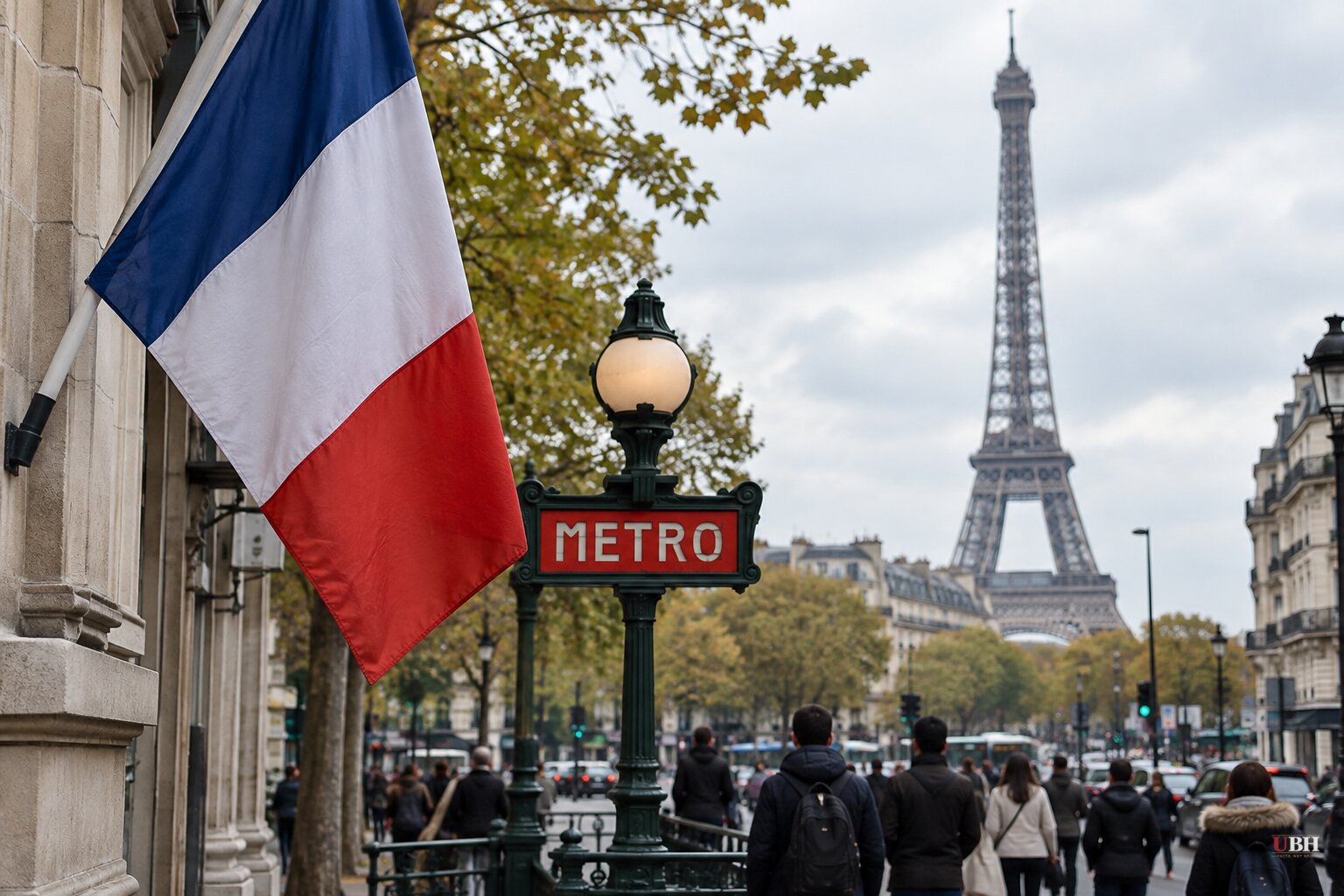
Since high school students began marching weeks ago over crumbling classrooms and teacher shortages, the French unrest has grown into a nationwide crisis. On Monday, Oct. 19, it became a transatlantic argument.
Speaking at the White House before leaving for a campaign rally in Kansas, Trump said the violence has one cause. "What's happening in France has to do with immigration, not schools, not anything. It's immigration," he said.
He then added: "Paris is going to be a Muslim city very soon, and that wasn't the deal."
Trump said he told President Emmanuel Macron years ago, shortly after they met, that he was "making a big mistake" by "letting everybody from the world come in." "We closed our borders. He didn't," Trump said. He also said Macron has "a little bit of a problem with energy." His warning for the continent: "If Europe doesn't close its borders and bring the criminals out, like the people that are protesting, Europe is finished."
Trump offered no figures on who took part in the violence or their backgrounds.
What happened on the ground
Justice Minister Gérald Darmanin said more than 2,330 people were taken into custody over the weekend. Later tallies put arrests at at least 2,400. The Interior Ministry reported nearly 1,000 injured security personnel. Authorities estimate about 3,000 businesses were damaged or looted.
The historic town hall in Limoges was heavily damaged in an arson attack.
Prime Minister Sébastien Lecornu ordered regional authorities to impose localized curfews. Paris police set an overnight curfew from 11 p.m. Monday to 6 a.m. Tuesday in two areas of the capital, including Place de la République and the Les Halles shopping district. Gatherings were banned from 8 p.m. Several other cities introduced curfews for minors.
Lecornu defended the police response. "No one was killed, and that is a miracle," he said.
Paris disputes the cause
In a Sunday address, Macron blamed "insurrectionist elements from radical far-left groups, joined by numerous criminals," and separated them from demonstrators with legitimate grievances. "Nothing justifies" the "unbridled violence," he said. "Watching these images, we have all asked ourselves how could French people do this to France?"
Macron did not point to immigration. He said on Oct. 18 that skyrocketing energy prices are a key grievance among demonstrators, and that they stem from Trump's war against Iran, which "France was not part of."
The protests began as student marches over teacher shortages, crumbling schools and an opaque university admissions system. The CGT, one of France's largest unions, backed the movement and called for lower prices, higher pensions and better wages. The movement escalated after the government announced major spending cuts and a wage freeze for state employees. Saturday's nationwide protests were called over fuel prices and falling purchasing power.
The immigration framing does have a French political home. National Rally president Jordan Bardella described the violence as a convergence of ultra-left extremism and delinquent populations from the suburbs. He accused Macron's government of failing to protect the public and urged voters to hold it accountable.
Vice President JD Vance made a similar argument on X the day before Trump. "Western liberals imported the third world into France," he wrote, adding that the country had "ignored fundamental questions about assimilation and compatibility."
Trump had posted on Truth Social Sunday that "France is burning!" and, Monday, that "the migrants have taken over France. They must close the borders, fast."
A government under pressure
The security failures are real and acknowledged by the French government itself. Interior Minister Laurent Nuñez offered his resignation Sunday. Macron refused it, citing the need for continuity at the top of law enforcement during the violence.
Macron ordered Nuñez to deliver transparency on failures in planning and intelligence-gathering, and called for new policing tactics to be introduced quickly. Nuñez himself conceded that authorities had "lost control" in some major cities.
The politics are sharp. France votes in April to choose Macron's successor, about six months from now, and Trump and Vance have both voiced support for National Rally leader Marine Le Pen in the past.
Similar student and cost-of-living protests have also taken place in Spain, Portugal and Italy over underfunded schools and housing costs. Trump and Vance have not commented on those.
What comes next
The immediate questions are in Paris. Nuñez has to deliver the accounting Macron demanded on why police were caught short, and the curfews will show whether the weekend's violence returns. Whether the arrests turn up a pattern in who rioted, and whether it supports Macron's account, Bardella's, or neither, depends on court records that do not yet exist.
Sources used for this briefing
8 links from 7 independent newsrooms (syndicated copies of the same report count once)
These are the sources it draws on, linked so you can verify.


