
Unbiased headlines. Facts, not spin.
Unbiased Headlines is an independently owned news organization. We bring you the facts, not opinions, written fresh from 110+ named sources. Sources linked so you can verify it yourself.
 politics
Major Story (8/10)
France Riots: Interior Minister Says Police 'Lost Control,' Macron Rejects His Resignation as Arrests Pass 2,500
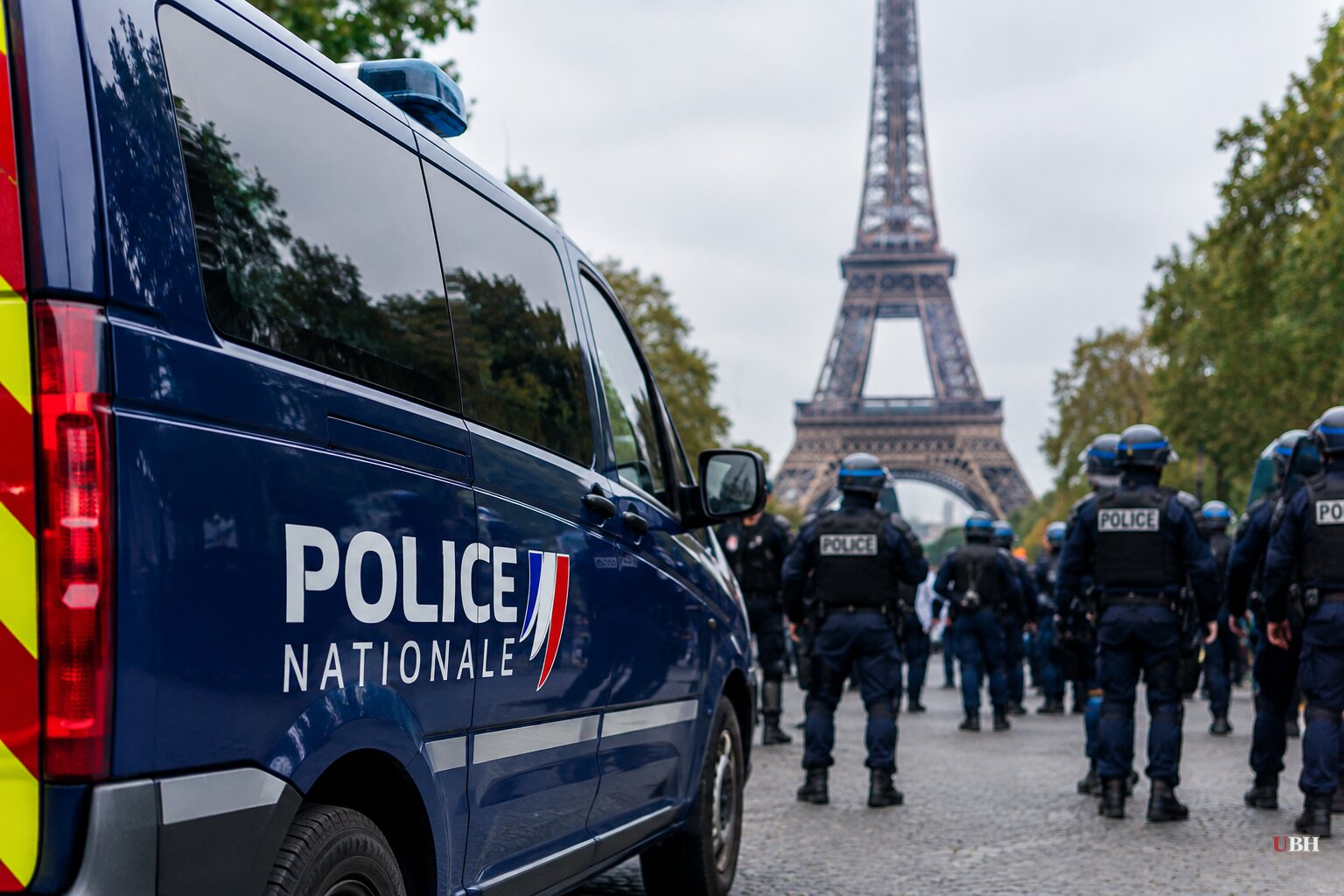
Since Saturday's nationwide protests turned into the worst rioting France has seen in years, the government's story has shifted from condemning the violence to admitting it was not ready for it.
On Monday, Oct. 19, Interior Minister Laurent Nuñez conceded there had been a "lack of anticipation" and that police numbers were sometimes inadequate against rioters and looters on the fringes of the marches. He said police "lost control" in some cities.
Nuñez said he offered President Emmanuel Macron his resignation because he felt "responsible for everything that happened." Macron turned it down. He told Nuñez instead to "take all necessary steps to ensure transparency over planning and intelligence failures," and demanded a full security review and "new operational methods."
The intelligence miss
The numbers behind the admission are stark. Nuñez said intelligence had pointed to about 200,000 demonstrators nationwide. The interior ministry counted more than 500,000. The CGT union put turnout nearer 800,000.
That is a forecast off by more than a factor of two, in a country that had watched a month of student protests build toward Saturday.
The human and material toll keeps climbing. Nuñez has put the arrests at around 2,400 and injured police at close to 1,000. The Justice Ministry now says more than 2,500 people have been arrested. Authorities say about 70% of those arrested were adults.
In the Paris region, 855 people were arrested, a record for the capital, and prosecutors said 557 remained in custody. Authorities estimate about 2,000 shops were ransacked and looted.
Carrefour CEO Alexandre Bompard said 50 of the chain's stores were damaged and 20 of them looted, with losses in the tens of millions of euros. Economy Minister Roland Lescure has promised support. Lecornu said furlough measures for affected businesses will be available from Tuesday, Oct. 20.
Deaths and injuries
The casualty picture is still being sorted out. CNN reported at least two deaths and two people who lost their hands. One protester died of cardiac arrest in Paris, and Le Figaro reported that a teenager in Saint-Etienne lost a hand to a police grenade.
Lecornu called it "a miracle" that no one was killed on Saturday despite the scale of the violence, and defended the officers who faced violent groups.
Lecornu's election warning
Lecornu went further Monday than blaming street thugs. He said "an ultra-left movement" was "intent on orchestrating profound disorder in the country leading up to the presidential election" in April.
He also alleged "an entire network that could be mobilized to challenge the presidential election schedule and the very holding of the presidential election." He promised that "there is no way we will allow violent minorities to impose an agenda of violence and, quite obviously, prevent us from holding this election."
He called the high school students' complaints about classroom conditions legitimate, but said "the freedom to demonstrate is being undermined." He said a state of emergency remains available "if needed," but that partial, localized curfews seem "more appropriate" for now.
The political fight is already running along familiar lines. Marine Le Pen, who leads in the polls, said "legitimate social grievances have, yet again, been held hostage by the far left." Her hard-left rival Jean-Luc Mélenchon has repeatedly defended the students' right to protest.
Trump weighs in
President Trump posted Monday: "The migrants have taken over France. They must CLOSE THE BORDERS, FAST!" French officials have not suggested any link between the unrest and immigration. The grievances cited by marchers and organizers are fuel prices, low wages, the cost of living and the state of schools.
What comes next
The curfews are narrow. Paris police barred gatherings and entry to Place de la République and the Les Halles area from 11 p.m. Monday to 6 a.m. Tuesday. Lecornu's office set 8 p.m. to 6 a.m. orders in four northern cities, including Lille. Lecornu said there was "no question" of a full curfew on entire cities.
The next tests are on the calendar. The Yellow Vests, who organized the weekend rallies, have called for a new round of demonstrations on Saturday. Unions have called a new round of strikes and rallies for Nov. 5. Macron has promised meetings this week on "concrete proposals."
The unrest is not confined to France. According to Sky News, Italian Prime Minister Giorgia Meloni plans to approve an emergency decree against violent riots on Tuesday. Police in Milan arrested 32 people after two nights of unrest.
It is unclear what Nuñez's review will find about the intelligence failure, or whether it will be published. Saturday's march will show whether the new orders hold.
Sources used for this briefing
7 links from 7 independent newsrooms (syndicated copies of the same report count once)
These are the sources it draws on, linked so you can verify.


