
Unbiased headlines. Facts, not spin.
Unbiased Headlines is an independently owned news organization. We bring you the facts, not opinions, written fresh from 110+ named sources. Sources linked so you can verify it yourself.
 defense
Major Story (8/10)
Trump Says He Is Not Weighing Post-Midterm Iran Strikes, as Axios Sources Say Netanyahu Is Pushing for Them
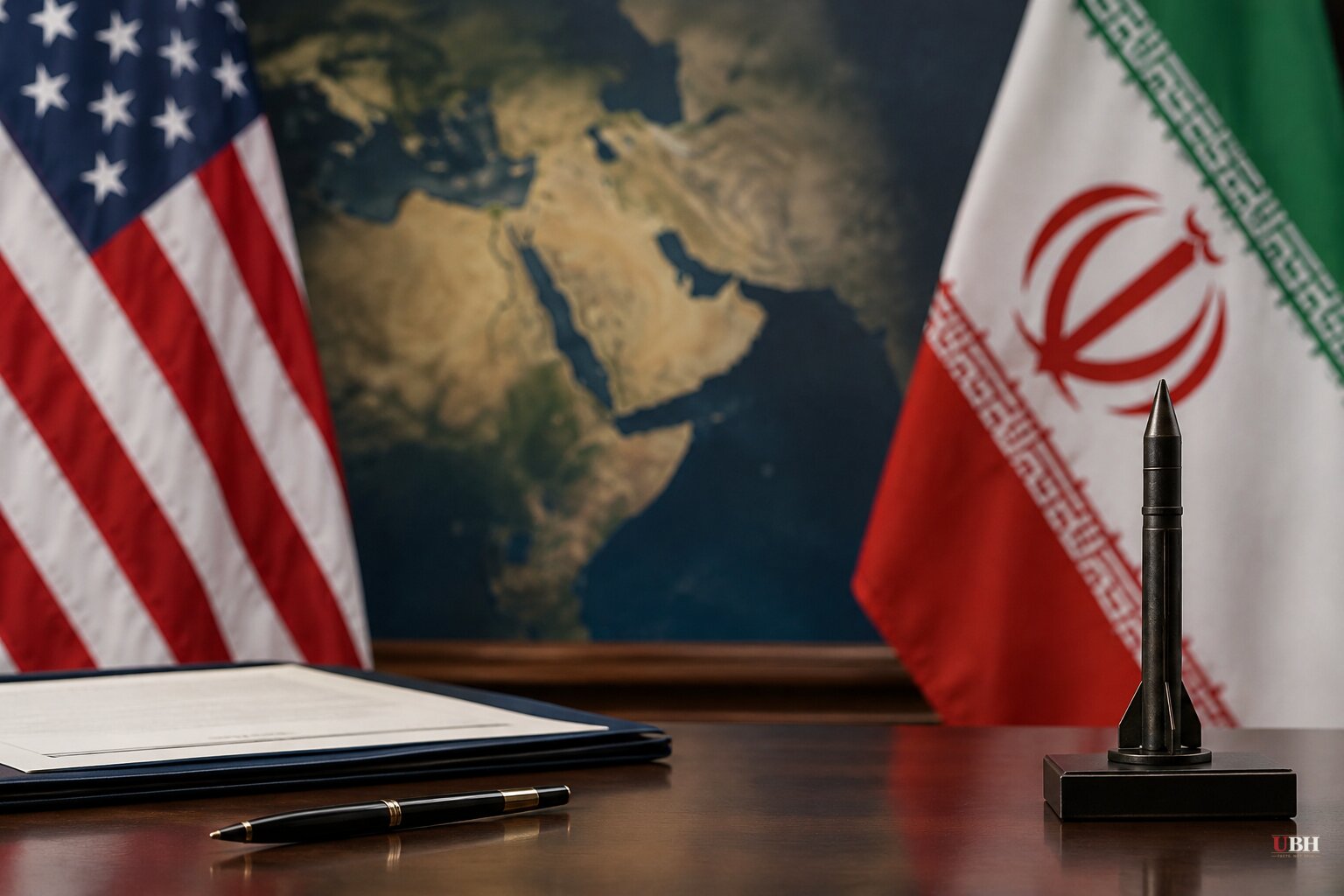
Since US and Israeli strikes on Iran in February killed Supreme Leader Ali Khamenei, the war has entered its eighth month in a stalemate. Neither side has broken through diplomatically or militarily. Today, Nov. 3, is Election Day, and the question of what Washington does next is still open.
On Monday, Nov. 2, after a speech at the Washington Reflecting Pool billed as his closing argument to voters, Trump was asked whether he was considering striking Iran after the midterms. He answered "no." That is a shift in tone from recent weeks, when he hinted at renewed attacks.
He also said a deal with Tehran "could happen" and that he believes Iran wants one. He insisted the operation is not really a war because "we've done very little fighting" lately. He pointed to the earlier strikes: "We wiped out their leaders, first level of leaders, the second level of leaders, and they've asked us, please stop doing that, and we will."
The Netanyahu call
The Saturday, Oct. 31 phone call between Trump and Israeli Prime Minister Benjamin Netanyahu was first reported by the Wall Street Journal, without details on what was said. Axios then reported, citing one Israeli source and one US source, that Netanyahu pressed Trump to hit Iran immediately after the midterms. Trump preferred to let negotiations continue, Axios reported.
The Israeli source called the conversation "tough." The US source called it "direct." The White House and Netanyahu's office declined to comment.
Trump gave a blander account on Sunday. "Just had a very good talk with him; we had a very good talk," he told reporters. He confirmed Iran came up and offered nothing more.
The Journal also reported that the call came days after Trump consulted senior military commanders at the White House about options for restarting major combat. Axios reported that CENTCOM commander Adm. Brad Cooper briefed Trump on Thursday, Oct. 29, with Secretary of War Pete Hegseth and Joint Chiefs Chairman Gen. Dan Caine in the room.
Mixed signals from the White House
Trump's own statements have not lined up with each other. On Saturday he said negotiations were "going fine" and that he is not "in much of a hurry." He also said the Iranians "are not very reliable... They make a deal and then they back out."
He added that the US still has to "take care" of one or two nuclear sites, including a suspected facility built into a mountain. "We can do that in 10 minutes. We have that planned. You can look at Pickaxe Mountain," he said.
Secretary of State Marco Rubio said Saturday that no decision had been made on renewed strikes and that Trump prefers a diplomatic resolution. Trump also told Right Side Broadcasting Network on Sunday that he believes the war will end soon "one way or the other," according to CBS News.
Earlier this month Trump wrote on social media that Washington "will not be attacking Iran at any time prior to the midterm elections." He did not say what happens afterward. Axios reported that the administration is running diplomatic and military preparations in parallel, the same pattern it followed before Operation Midnight Hammer in June 2025 and Operation Epic Fury in February.
Hasan Alhasan, senior fellow for Middle East policy at the International Institute for Strategic Studies, told CNN the US "has been actively feeding into this regionwide sense of anxiety as it keeps signaling that another round of escalation might be imminent." He added: "It's becoming difficult to distinguish pressure tactics from genuine signals."
Talks in Doha and trouble at sea
Iranian negotiators met Qatari mediators in Doha for a third straight day on Sunday, Nov. 1, aimed at a deal to end the war. Vice President JD Vance said there had been "a number of good conversations with the Iranians." He added: "The president and I both feel pretty good about the prospects for potentially coming to a negotiated settlement."
Last week Vance sent a letter to Mohsen Rezaei, secretary of Iran's Supreme National Security Council, calling for in-person talks and for the nuclear issue to be taken up right away. Iran said it received the letter and was preparing a reply. It is unclear whether any response has reached the Qatari mediators. Trump's position has not changed: "We're not going to allow Iran ever to have a nuclear weapon."
The shipping picture is not calm. UK Maritime Trade Operations said Sunday that a ship was struck by a projectile in the Strait of Hormuz, after an attack on a liquefied natural gas tanker on Friday. It also reported a vessel struck east of Ras Al Khafji on the Gulf coast.
Gulf residents are watching for signals. A 36-year-old American living in Saudi Arabia told CNN she plans to leave before Tuesday's elections. "People are more cautious in general, and it feels like a waiting game," she said.
Netanyahu's own position
Netanyahu has been pushing for new strikes, CNN reported, and he remains in office despite losing his majority in Israel's recent elections. Coalition negotiations are set to begin in earnest next week, and opposition parties may struggle to oust him quickly.
Trump, for his part, faces voters today with gasoline prices that have been tied to the war.
The next concrete marker is Tehran's reply to Vance's letter. Whether Iran answers, and whether talks move from Doha mediators to direct meetings, will show whether Trump's "no" on Monday holds or Netanyahu's push prevails.
Sources used for this briefing
7 links from 6 independent newsrooms (syndicated copies of the same report count once)
These are the sources it draws on, linked so you can verify.


