
Unbiased headlines. Facts, not spin.
Unbiased Headlines is an independently owned news organization. We bring you the facts, not opinions, written fresh from 110+ named sources. Sources linked so you can verify it yourself.
 defense
Breaking / Critical (9/10)
Qatari Mediators Take Iran Deal Suggestions to Tehran as Both Sides Review Them on Eve of U.S. Midterms
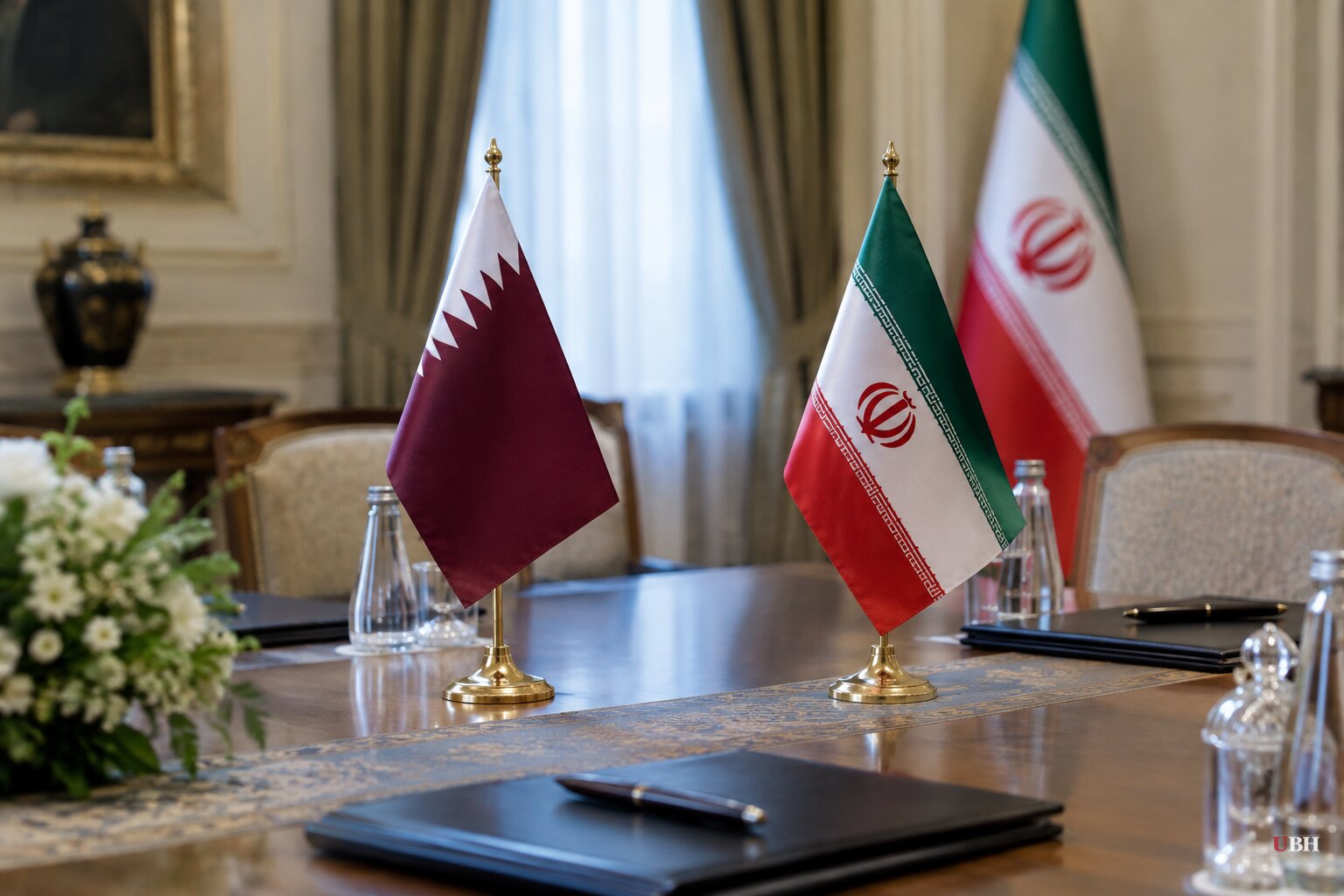
Since Iran's negotiators left the Qatar-mediated talks in Doha, the diplomacy has moved to Tehran. On Monday evening, Qatari mediators traveled there to meet Iranian Foreign Minister Abbas Araqchi on a possible U.S.-Iran deal.
A source briefed on the discussions told Breitbart News that a renewed framework is emerging and described the talks as positive. According to that source, Washington and Tehran are each reviewing the latest suggestions from the mediators separately. Neither government has published the terms.
Tehran's terms and a possible mandate
Iranian Foreign Ministry spokesman Esmaeil Baghaei said the talks rest on a seven-step proposal Tehran developed in September. He said no final agreement can be reached without ending the U.S. naval blockade and meeting Iran's demands. "Our demands have been articulated very clearly and transparently," Baghaei said.
Araqchi told Al Jazeera on Saturday that Iran would reopen the Strait of Hormuz within two days of the U.S. lifting the blockade on oil ships, ending its block on the release of Iranian assets and dropping sanctions on Iranian oil exports. That compares with the seven days in Tehran's original plan. Qatar has also been working on the release of more than $6 billion in frozen Iranian assets, according to The Guardian.
President Masoud Pezeshkian said, according to Iranian state media, that Supreme Leader Ayatollah Mojtaba Khamenei has granted the government certain authorities for peace talks. Pezeshkian added that Tehran "will try to resolve the problem with dialogue" but gave no details.
Asked whether the midterms could shift Washington's approach, Baghaei said Tehran did not expect the elections "to give birth to a new US."
Washington's signals
President Trump posted on Truth Social on Monday that Iran "wants a settlement, as soon as possible. It could happen!" He said oil was "DROPPING LIKE A ROCK, down almost $10 a Barrel, A RECORD." Brent's settlement was in fact down $8.66, or 7.63%. CNBC described the 7% drop as the largest daily loss since July.
Vice President JD Vance told reporters: "We've certainly made some progress. We'll see if we can make some more."
At the Lincoln Memorial on Monday, Trump said, "I don't know if you even call it a war because we haven't been doing any fighting for months." Multiple U.S. officials told CBS News that evening that American forces had carried out limited strikes on Qeshm Island after the Revolutionary Guard fired on a U.S. aircraft. One senior military official described them as defensive. Iran has not been reported to have responded publicly to that account.
Trump has said he will not attack Iran before the vote, but he has not ruled out military action afterward. He said on Saturday the U.S. still had to "take care of" one or two targets.
Adm. Brad Cooper, the CENTCOM commander, said in an Oct. 30 post on X that he had seen commercial traffic moving safely through the strait. He said the IRGC was no longer patrolling it. Gulf partners, he said, have helped export 1.5 billion barrels of oil since the summer.
Oil settles, caution remains
Brent crude settled Monday at $104.77 a barrel. West Texas Intermediate settled at $96.46, down $7.66, or 7.36%. Brent's session low was $103.28.
Raymond James analyst Pavel Molchanov said skepticism is warranted after many "false dawns" over the past several months. UBS analyst Giovanni Staunovo said the market is reacting "with extreme sensitivity to every headline out of the Middle East."
The supply picture remains tight. ADNOC chief executive Sultan Al Jaber said the world has drained nearly 1 billion barrels from inventories since the war disrupted Hormuz shipping. Goldman Sachs said Brent could reach $140 in 2027 if Gulf output stays 3.5 million barrels per day below its 2025 average.
Security at sea remains unsettled. Unidentified missiles struck a Pakistan-bound Qatari LNG tanker near the strait on Friday, hours after Tehran had cleared its passage, The Guardian reported. UAE envoy Anwar Gargash said Gulf officials are "braced for the worst."
What happens next
Voting in the U.S. midterms takes place today, Nov. 3. Neither government has said whether it accepts the mediators' latest suggestions. Washington has not publicly responded to Iran's condition that the blockade end first. Araqchi has said there are no plans for direct talks with the U.S., so any answer will come back through Qatar.
Sources used for this briefing
7 links from 7 independent newsrooms (syndicated copies of the same report count once)
These are the sources it draws on, linked so you can verify.


