
Unbiased headlines. Facts, not spin.
Unbiased Headlines is an independently owned news organization. We bring you the facts, not opinions, written fresh from 110+ named sources. Sources linked so you can verify it yourself.
 defense
Major Story (8/10)
Event date: October 30, 2026 ·
US Approves $2.1 Billion Sale of 500 Patriot Missiles to Ukraine, but Delivery Is Years Away
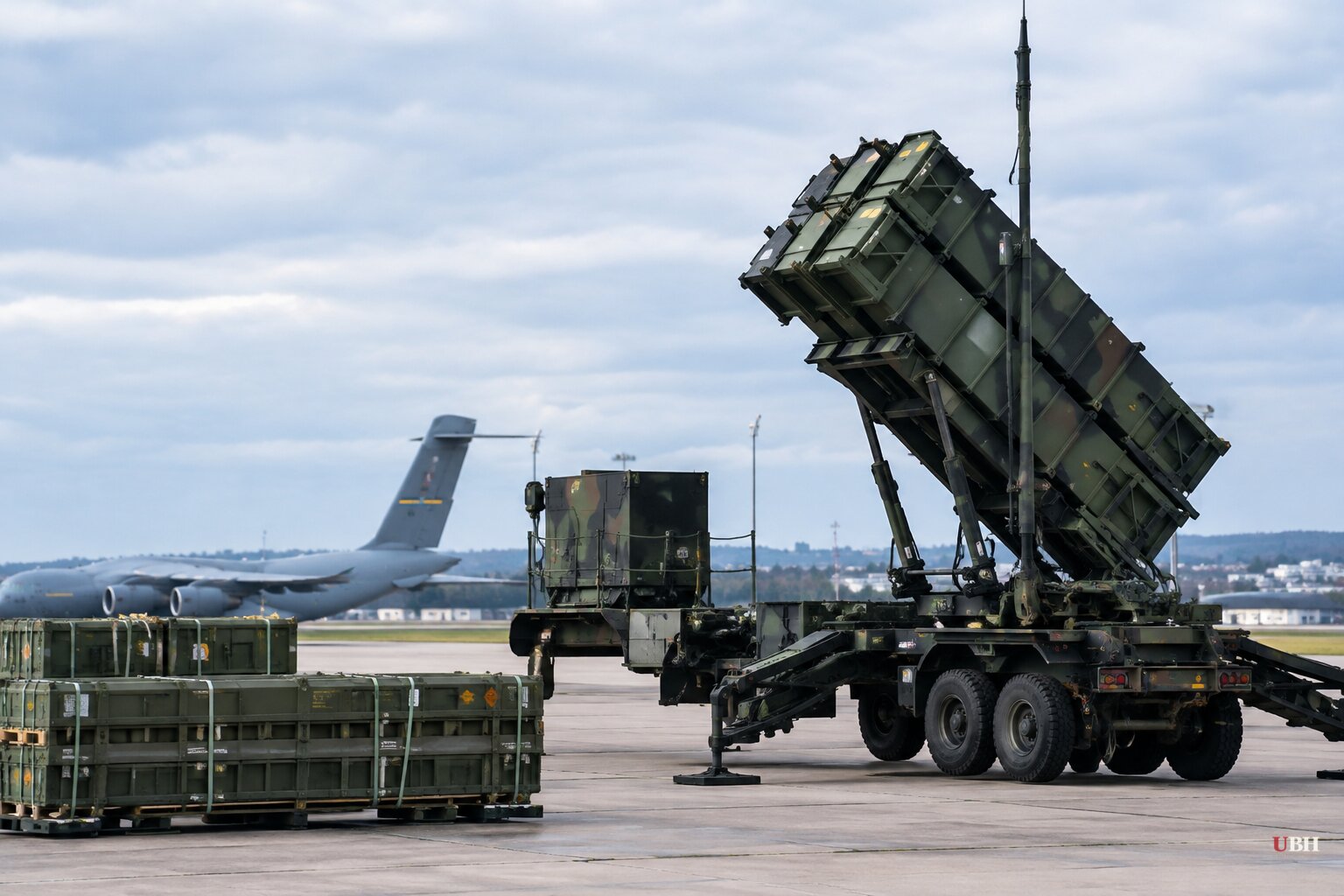
The State Department approved the potential sale of 500 Patriot PAC-3 MSE interceptors to Ukraine on Friday, Oct. 30, with an estimated price tag of $2.1 billion. The department said the sale "will improve Ukraine's capability to meet current and future threats by improving its integrated air and missile defense capabilities."
The statement gave no delivery date.
President Volodymyr Zelenskyy called it a "strong decision" in a post on X early Saturday, then added the catch: "it has been stipulated that deliveries may begin ONLY IN A FEW YEARS."
The timeline problem
Two people briefed on the decision said the missiles have not been manufactured yet and are not expected to arrive until a couple of years into the 2030s.
Ukraine needs them now. Zelenskyy said Russia is hitting the country's energy infrastructure every day. On Thursday, Oct. 29, a Russian drone strike killed at least 14 people on a crowded rail platform in Dnipro, according to officials. Five more people died in daytime strikes on two other cities, and a late-evening missile strike killed one person in Kyiv.
PAC-3 is the most advanced Patriot interceptor in service and one of the few weapons that can stop incoming ballistic missiles. Zelenskyy said Russia fired 21 ballistic missiles at Kyiv overnight on Oct. 22 and none were intercepted. CNN reported on Oct. 15, citing a source familiar with the situation, that Ukraine had exhausted its interceptor stockpile.
Who pays
The U.S. is not footing the bill. The State Department said Ukraine will pay with contributions from Canada, Germany and Norway routed through a program called US Jumpstart, plus national funds financed by the EU's Ukraine Support Loan.
The department said the sale supports U.S. foreign policy and national security goals by improving the security of "a partner country that is a force for political and economic stability in Europe."
That makes this a commercial arms sale funded by allies, not American aid. Lockheed Martin is the principal contractor for the sale of the Patriot interceptors.
Kyiv's ask
Zelenskyy did not just thank Washington. He asked for a workaround. He said the U.S. and its partners "have sufficient stocks of PAC-3 interceptors in their warehouses" and should send them this winter, then be replenished later from the production Ukraine and its partners have already paid for. He called that "entirely feasible."
He said Kyiv had asked for a winter package of 100 interceptors a month. Five hundred missiles, he said, would be enough for the coming months.
One of the people briefed on the decision said Ukraine's Ministry of Defense is pressing the Pentagon to move the delivery date up, possibly by handing over missiles already in the U.S. arsenal and backfilling with the new production. The Pentagon has not said whether it will do that.
Is Washington already slow-walking deliveries?
The numbers Zelenskyy has cited are grim. He told ABC News on Oct. 24 that Ukraine received only 24 Patriot interceptors from the U.S. over the previous three months. He later told Bloomberg Ukraine was getting only 12 Patriot missiles per month, roughly four times fewer than under former President Joe Biden's administration.
On Oct. 29, Radio Free Europe/Radio Liberty reported, citing sources, that the U.S. was delaying PAC-3 deliveries to Ukraine. Euronews reported that NATO officials worried President Donald Trump might hold deliveries until after the U.S. midterm elections.
NATO's top commander pushed back. Gen. Alexus Grynkewich, Supreme Allied Commander Europe, said in Riga on Oct. 30 that Patriot deliveries continue and the latest shipment arrived last week. He said "not a single item included in the PURL package paid for by European allies has been delayed," and that every third-party transfer the U.S. government requested has been approved. He declined to give numbers or missile types.
Both accounts can be true at once, since Grynkewich spoke about packages paid for by European allies and did not address the volume Zelenskyy says Ukraine needs.
Zelenskyy said on Oct. 25 that countries able to supply Patriot missiles must first get written U.S. authorization, and that the process was moving very slowly. He named Patriot supplies as one of three conditions for halting Ukrainian strikes on Russian oil refineries.
The delivery fight sits on top of friction between Kyiv and Washington. Trump announced a diesel deal with Russia and criticized Zelenskyy over Ukraine's unwillingness to stop hitting Russian refineries.
A NATO purchasing channel
Separately, the Financial Times reported that NATO plans to let Ukraine buy weapons, ammunition and equipment through the NATO Support and Procurement Agency, with the aim of speeding deliveries and cutting costs. The agency has already held a meeting in Kyiv with representatives of 150 Ukrainian companies, who were told how to register for NSPA contracts.
Retired Ukrainian special forces colonel Anatoly Matviychuk, quoted by the outlet Voennoe Delo, said the mechanism could open access to armored vehicles, small arms, shells, howitzers and air defense systems. He doubted it would make up for reduced direct U.S. deliveries, and said European members cannot fully replace American supply.
The sale is approved on paper. What Kyiv has not gotten is a date, and winter is here. It is unclear whether the Pentagon will release interceptors from existing stock now and backfill later, as Zelenskyy and Ukraine's Defense Ministry are asking, or whether Ukraine waits for production that has not started.
Sources used for this briefing
6 links from 6 independent newsrooms (syndicated copies of the same report count once)
These are the sources it draws on, linked so you can verify.


