
Unbiased headlines. Facts, not spin.
Unbiased Headlines is an independently owned news organization. We bring you the facts, not opinions, written fresh from 110+ named sources. Sources linked so you can verify it yourself.
 defense
Major Story (8/10)
Trump Says He Is 'Not Rushing' Iran Decision, Points to After Jan. 1 as Senate Rejects War Curbs 48-51
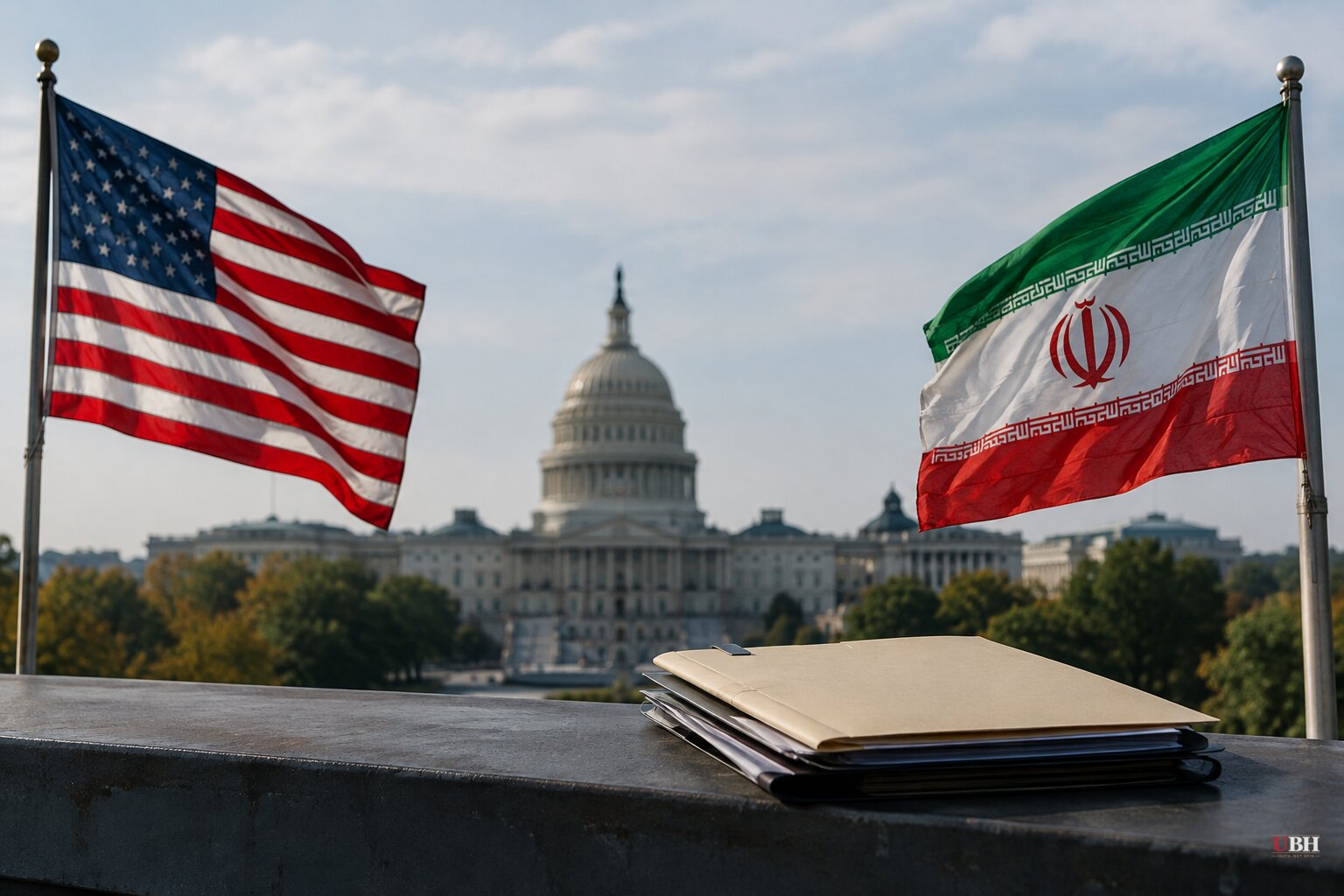
Since the war with Iran began roughly eight months ago, Trump has swung between threatening escalation and talking up an exit. On Thursday, Nov. 19, flying home from China, he set a rough date for the next decision: after the new year.
"I'm not rushing into any decision," Trump told Axios in a brief phone interview from Air Force One. He told Reuters: "Well, I'll talk to you about it after the beginning of the year. We've got time." On Fox News he said, "We'll see what happens after January 1."
He did not explain why Jan. 1 matters. He also did not formally rule out action before then.
Midterms, then a new deadline
Before the Nov. 3 elections, Trump repeatedly suggested Iran would be more willing to deal once the votes were counted. Republicans then lost both chambers of Congress. Last week his administration said it believes the naval blockade and economic sanctions on Iran are working.
Trump has acknowledged the war hurt his party. NPR reported he told "60 Minutes" interviewer Ross Douthat he is not looking to escalate and sees no reason to, while saying the U.S. is still "locked and loaded" if talks fail. He also said he would do it again. "Because you can't let Iran have a nuclear weapon," he told Reuters.
On Vice President JD Vance, who publicly blamed the war for the GOP's losses, Trump said: "JD was fine. What he said was right." The New York Times has reported that Trump is privately frustrated with Vance over the comments. A Reuters/Ipsos poll put Trump's approval at 32% and found weak backing for the war.
Strike options remain on the table
Axios reported Wednesday that Trump is still weighing a joint operation with Israel. Reported targets include suspected nuclear sites such as Pickaxe Mountain, bridges, power plants and Iranian leaders. The New York Times reported that Prime Minister Benjamin Netanyahu wants the U.S. to join a four-to-seven-day air campaign, and that Trump has made no decision amid divisions inside his administration.
Mossad chief Roman Gofman traveled to Washington last week to meet CIA Director John Ratcliffe and envoy Steve Witkoff. An Israeli source told Reuters that Netanyahu sent him to argue for renewed strikes. The White House has also asked the Pentagon and intelligence agencies how Tehran might retaliate, particularly against Gulf oil and gas infrastructure.
Military pressure is building regardless of Trump's timeline. The USS Theodore Roosevelt, a third aircraft carrier, arrived in the region Monday. Sporadic exchanges of fire between U.S. and Iranian forces continue in the Strait of Hormuz, according to L'Orient-Le Jour.
Chemical and biological claims
Asked on Fox about a report that Iran planned a radiological "dirty bomb" in Washington, Trump said "I don't think so" when asked if people in the capital should be alarmed. He then said there are indications Iran is "looking at gases, looking at bio, because we've shut them out with the nuclear." He offered no evidence.
Iran rejects the claim. Foreign Ministry spokesperson Esmaeil Baqaei posted on X that "the allegations keep changing, but the underlying narrative remains disturbingly familiar." He compared it to Colin Powell's 2003 U.N. presentation on Iraq and called it a "fraudulent script." Israeli claims about Iranian chemical weapons research, raised in the Gofman talks, have likewise been denied by Tehran.
Senate rejects war-powers measure
The Senate voted 48-51 on Thursday against a House-adopted resolution that would have directed Trump to remove U.S. forces from hostilities with Iran. Republican Sens. Susan Collins, Lisa Murkowski and Rand Paul voted with every Democrat except John Fetterman.
It was the first time either chamber has voted on the war since the midterms. Its effect would have been largely symbolic. Supporters point to voter anger over the war and its cost to the economy, which voters cited as top concerns in November. Republicans control the Senate until Jan. 3.
Iraq and the summit
Separately, Iraq's army and the Iran-backed Kataeb Hezbollah reached a deal to avert a confrontation, three senior security officials told Reuters. Government forces are to deploy in the group's stronghold of Jurf al-Sakher south of Baghdad. Iraqi state media said deployment begins Friday. Iran's Quds Force commander, Maj. Gen. Esmail Qaani, helped broker it after arriving in Baghdad on Monday.
Thursday's joint statement from the Trump-Xi-Putin summit in Shenzhen did not mention Iran. Trump has said he will hold a news conference Friday, Nov. 20, where reporters can press him on the timeline.
Whether the Jan. 1 horizon holds against Israeli pressure and a growing U.S. force in the Gulf, and what Trump expects to be different when the new year arrives, remains unclear.
Sources used for this briefing
7 links from 7 independent newsrooms (syndicated copies of the same report count once)
These are the sources it draws on, linked so you can verify.
More coverage: Donald Trump and Iran


