
Unbiased headlines. Facts, not spin.
Unbiased Headlines is an independently owned news organization. We bring you the facts, not opinions, written fresh from 110+ named sources. Sources linked so you can verify it yourself.
 defense
Breaking / Critical (9/10)
IEA Calls Hormuz Crisis the Largest Energy Security Threat in History as Riyadh Tower Is Damaged
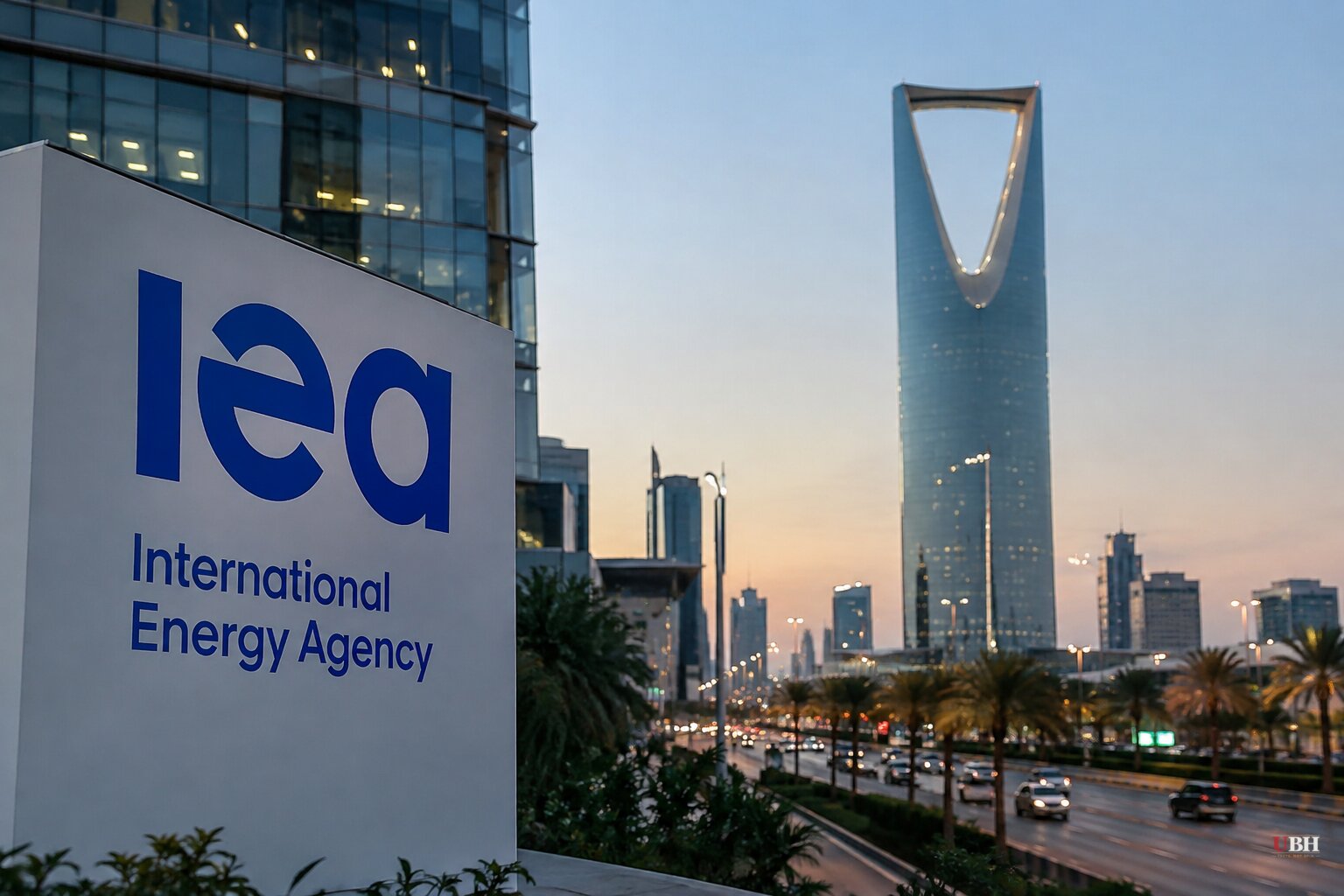
Since the U.S. and Israel bombed Iran in February, the war has settled into a grinding pattern of tanker attacks, a U.S. naval blockade and tit-for-tat strikes. This week's escalation, with Iranian fire on a U.S. air base in Kuwait and on Bahrain on Wednesday, Nov. 18, has now been joined by a sharper warning on the economic damage and a diplomatic scramble over what comes next.
IEA: Consumers Are Paying as Buffers Run Out
The International Energy Agency's flagship World Energy Outlook, released today, calls the Strait of Hormuz crisis the "largest threat to energy security in history, one that dwarfs the scale of the oil shocks of the 1970s." That is IEA Executive Director Fatih Birol's wording in his foreword.
The report says that "increasingly it is falling to consumers -- and high prices -- to absorb the impact as other buffers are run down." The agency warned the crisis will leave "lasting marks," as previous energy shocks did.
Birol credited some of what governments have done. Producers brought more supply to market and used alternative routes, and China bought less on international markets. Even so, he wrote, governments "have nonetheless faced higher prices and, in some cases, shortfalls of supply."
The tone has hardened since July. Birol then wrote that the oil market was still benefiting from "several cushioning factors."
The numbers behind the warning are physical. Before the war, about one-fifth of global oil shipments moved through Hormuz. U.S. escorts have helped restore some passage, but supply lines remain severely disrupted and Iran keeps hitting tankers.
Riyadh Tower Damaged
A skyscraper in Riyadh's financial district that houses the headquarters of the kingdom's sovereign wealth fund was damaged today. Witnesses told AFP the facade was damaged across several floors, with windows blown out. Three sources confirmed the damage to the 80-floor tower, the tallest in the capital. One of them asked not to be named.
The Saudi-led coalition fighting Yemen's Houthis said earlier that it had handled a missile threat launched by the group toward Riyadh. Its early assessment was that debris had fallen and caused material damage, according to Reuters. The Houthis have been attacking the kingdom for weeks. The AP notes the Yemen conflict between the Iran-backed rebels and the coalition could drag on for months.
The Gulf Fires Back, and Diplomats Scramble
Iran said its Nov. 18 drone strikes targeted U.S. air defense systems and drone launchers at Ali Al Salem Air Base in Kuwait. The Iranian army statement vowed a response "decisive, crushing, and without geographic limitations." Kuwait's foreign ministry condemned the attacks as "a flagrant violation of its sovereignty" without naming a target, and said it is prepared to take "all necessary measures." Bahrain's military said its air defenses intercepted "a number of treacherous Iranian attacks."
Saudi Arabia, Qatar and the UAE all condemned the strikes. ADNOC's logistics subsidiary said 11 crew members were injured and one remains unaccounted for after its vessel was attacked in Hormuz on the evening of Nov. 17.
Behind the scenes, four regional officials who spoke on condition of anonymity told the AP that Gulf governments, Pakistan and Turkey have accelerated phone diplomacy with senior U.S. officials. Their aim is to head off a return to all-out war. They say Israeli Prime Minister Benjamin Netanyahu is pressing the Trump administration for a joint air campaign on Iran, or at least a green light for Israeli strikes on nuclear and missile sites.
Those officials say Mossad chief Roman Gofman met CIA Director John Ratcliffe in Washington, then U.S. envoy Steve Witkoff in Miami. Regional capitals worry the visit could tilt Trump toward restarting the war, according to the officials. A person familiar with the matter, also anonymous, described Gofman's trip as routine and said it covered a wide range of topics, including Iran and the military aid question. The CIA declined to comment.
The visit followed a White House meeting last week between Trump and Qatar's prime minister, Sheikh Mohammed bin Abdulrahman bin Jassim Al Thani, who was trying to bring Washington and Tehran back to talks.
A U.S. official, speaking anonymously, gave a different picture. The official said economic pressure on Iran has worked well enough that Trump does not need to restart major combat operations, and that the U.S. has options to keep Iran from a nuclear weapon.
What Regional Officials Fear
The regional officials said Iran's Arab neighbors expect a new round of fighting to be more devastating than the last. They believe Iran and its allies would hit not only U.S. military facilities but also oil facilities, power and desalination plants, and undersea cables used for financial transactions and communications.
Hamidreza Azizi of the International Crisis Group wrote that even if neither side wants a broader confrontation, "the accumulation of military incidents across multiple fronts increases the risk of miscalculation and escalation beyond what either side originally intended."
Trump's signals remain mixed. He has said new strikes are highly unlikely, yet he has sent a third aircraft carrier and thousands more troops to the region. Adm. Brad Cooper, head of U.S. Central Command, met Israeli military chief Eyal Zamir and Gofman in Tel Aviv on Wednesday. The Pentagon has not responded to Iran's claim about the Kuwait base, and no decision on Israeli participation in any new strikes has been announced.
Sources used for this briefing
8 links from 7 independent newsrooms (syndicated copies of the same report count once)
These are the sources it draws on, linked so you can verify.


